What Are Some Big Updates?
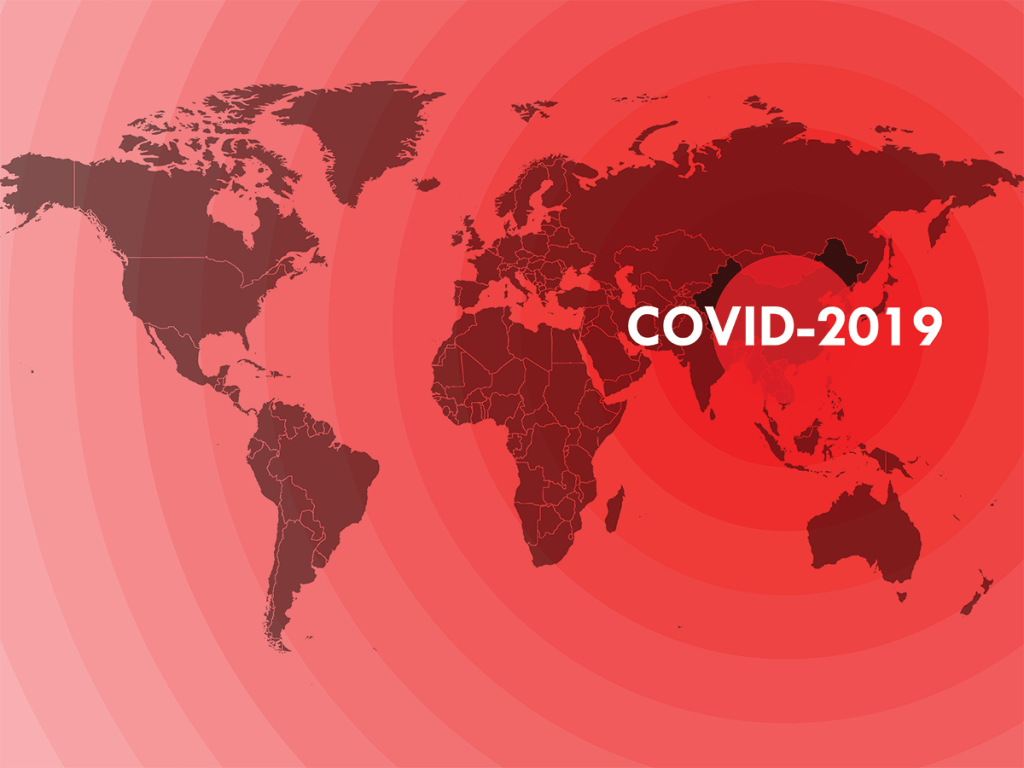
Since the last time we discussed this coronavirus, it was still in its earlier stages of damage. Before, it was referred to as the 2019 novel coronavirus, now, the WHO has renamed the virus to SARS-Cov-2, and is referring to by its disease name, COVID-19. This chosen reference name is strategic in its goal to avoid creating unnecessary fear for some populations, such as in Asia where the SARS outbreak in 2003 hit the hardest. Additionally, COVID-19 also used to be relatively contained in China with a few scattered cases in other countries. Now, Italy and Korea have been hit just as severely, and they are taking just as serious measures to contain and fight off the same fate. The United States has also started to have our own growing cases, eliciting also our own precautionary measures. In fact, even as I am writing this blog, I am writing it at home while under the university’s encouragement to self-quarantine for who knows how long. At this point, COVID-19 has also been officially declared a pandemic by WHO – another big progress since the last blog when it was still just barely an epidemic.
Details in the United States?
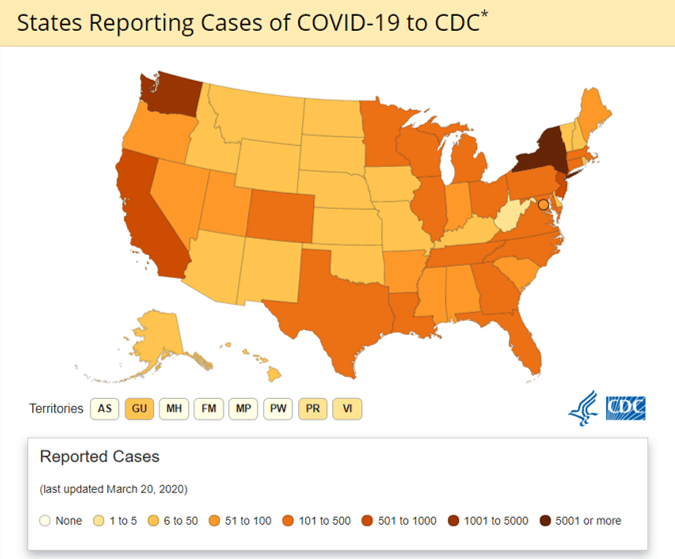
With the pandemic making its way across the United States now, it is important to look into what the actual state of everything is. Firstly, let’s take a look at where it all started for us; according to The New England Journal of Medicine, the first confirmed case of COVID-19 was reported on January 20, 2020. The day before, a 35-year-old man sought medical care at an urgent care clinic in Snohomish County, Washington, with a 4-day history of cough and subjective fever. Several tests were run to determine the cause of his symptoms, including one testing for COVID-19 after he had disclosed that he had returned to Washington State on January 15 after visiting family in Wuhan, China. Alas, on January 20, 2020, the CDC confirmed that the patient had tested positive for COVID-19. As of now, the CDC reports 15,219 total recorded cases, and 201 total deaths, and the numbers are only going up. As that case shows, along with many others, Americans of all ages are being affected, and American adults of all ages are being seriously sickened by the coronavirus. According to NY Times, the CDC found that the oldest patients do have the greatest likelihood of dying/being hospitalized, but “of the 508 patients known to have been hospitalized, 38 percent were notably younger — between 20 and 54. And nearly half of the 121 patients who were admitted to intensive care units were adults under 65”. Plenty of those cases are also young adults that were in good health prior to contracting the virus. It is crucial that everyone is aware that no one is completely “safe”.
Everything Wrong With Everything
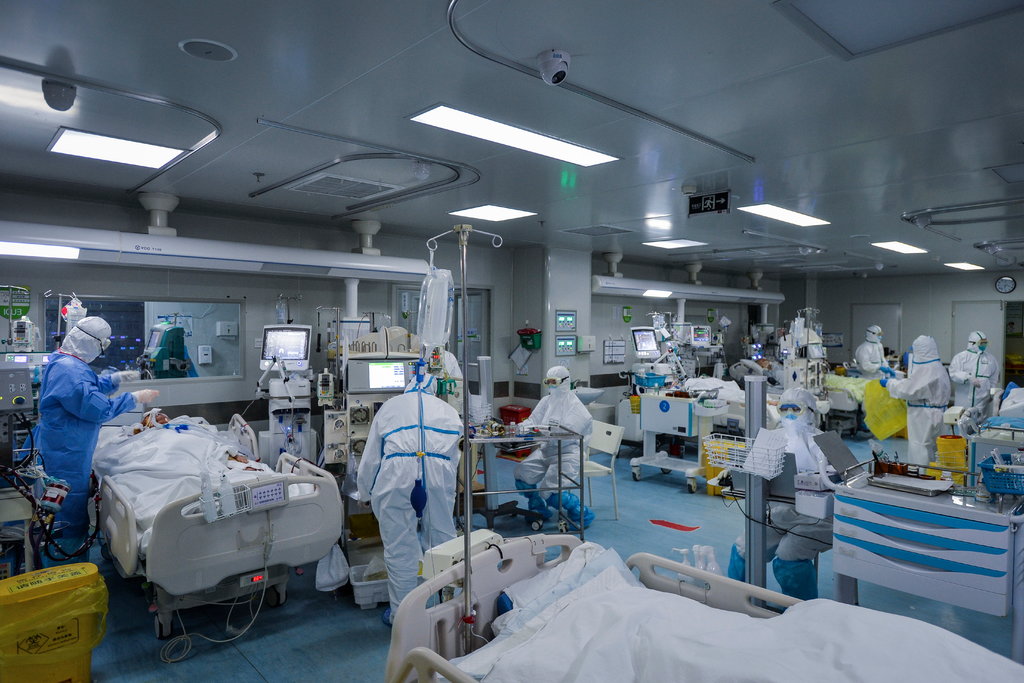
Now you may be wondering . . . how did things end up like this? Well you know what, that’s a great question because who knows . . . it never should have gotten to this point. Many people are questioning why the United States is so unprepared. Way before the virus had made it over here, we saw the damage it had done/can do in China, we saw that spread into Korea and create just as much chaos, and we even saw things escalate further into Italy, and yet we still did absolutely nothing to prepare for what was also going to inevitably come our way. That, in and of itself, is already an issue, but the way that the United States is trying to face the situation is revealing even more issues. Firstly, the flaws in our healthcare system are being shown in how, despite the presence of a rapidly spreading, extremely contagious disease that is heavily dependent on every individual’s actions, some people are still unable to access any form of healthcare. This inability to access healthcare is mainly due to how excessively expensive healthcare is for the people, and even for hospitals to be able to access enough tests for their people. Additionally, the flaws in our economy are also being shown in how the government is putting so much money into big corporations that don’t truly need it, or into the huge airline industry to keep it afloat for trade and international business, while doing absolutely nothing to help the smaller, local businesses that are going under, and actually need the desperate help. So many people are becoming unemployed as well, and there are only slow, scrambling, after-the-fact efforts to somehow consider this growing population.
How to Proceed
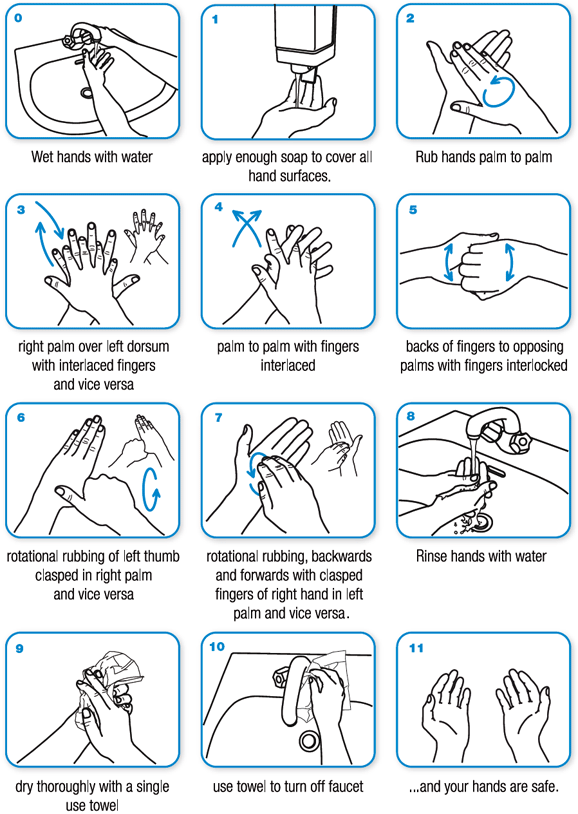
Understandably, right now there is equal parts panic and a false sense of security across the nation. Moving forward, it is crucial to recognize that this is indeed a very serious situation that requires every individual’s effort, and that as much as it is scary knowing that no one is completely safe, we can minimize the damage with the recommended social distancing and self-quarantine. The idea of these two factors is to create a “manual vaccine”, creating the effect of herd immunity by reducing the possibility of the immunocompromised getting exposed to COVID-19. Indeed, it is inevitable that the virus will run its course and infect more people, but if we can slow, or even reduce, the rate, we can ensure that our hospitals won’t become too overwhelmed. Reflected in China, Korea, and Italy, one of the biggest issues in combating the spread of COVID-19 is how there are too many patients and not enough healthcare workers and resources to care for the sudden influx of sick people. Additionally, we can help make sure that the people who really need certain things get what they need by NOT panic buying and assuming unnecessary precautions. For example, unless you are infected or have symptoms of any respiratory illness, there is no need for you to buy up all the masks; leave those for healthcare professionals that are actually in constant close proximity with the virus. The more we help protect our healthcare workers, the less likely that they will fall ill, and subsequently reduce our fighting power. Also following the “no panic buying” sentiment . . . there is absolutely no reason why there should be a shortage on TOILET PAPER. Of all things, toilet paper? Really? With regards to all resources, do NOT stock up like you’re trying to survive for 10 years inside your home; there are plenty of people that are actually low on all the things people keep panic buying, and it can be frustrating trying to meet the bare minimum and not even being able to manage that. Finally, the best way to reduce the spread of disease is handwashing! When I was in my CNA program, there was a whole testable skill dedicated to proper handwashing, and then before/during every other skill we learned, we had to accurately state when we would wash our hands. Proper hand washing includes thorough scrubbing for at least 20 seconds with 2-3 pumps of soap, making sure to cover all surfaces and crevices of your hands and up to your wrists as well; a good way to picture it is to imagine that you just got jalapeno juices all over you hands and that you need to wash your hands well enough to put in contacts right after. To wrap up, listen to the instructions given by the CDC, wash your hands frequently and correctly, save resources for those who need it, and while understanding the severity of the situation, do NOT panic.

 The Magic Struggle Bus