Salmon(ella) Swim Towards Recent Victims

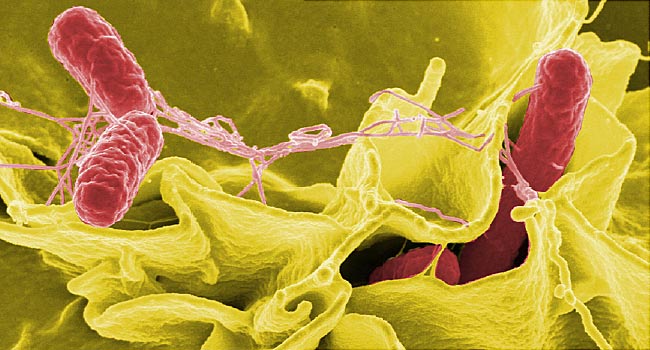
Photo by WebMD

What is Salmonella & What are its Signs and Symptoms?

According to the CDC, Salmonella is a pathogenic bacteria that is known to cause illness; specifically, an infection called salmonellosis. Common signs and symptoms of Salmonella infection include diarrhea, fever, and abdominal cramps, which begin to develop between 12 and 72 hours after infection. Under most circumstances, individuals tend to recover without treatment, and the illness typically lasts up to 7 days. However, severe cases do occur, and in those circumstances, signs like diarrhea can escalate to hospitalization; this is most likely due to the Salmonella infection spreading from the intestines to the bloodstream, and then to other body sites. Once Salmonella invades to that extent, it can even lead to death if the infected individual is not promptly treated with antibiotics.  

Outbreak From Backyard Poultry

Photo by Medicalxpress

Now, even though under normal circumstances Salmonella is not deadly, you would want to avoid any unpleasant experiences you could, and there is still a chance that a severe case could occur. Thus, almost everyone knows some common Salmonella infection prevention measures, such as making sure to not let vegetables and meats share surfaces without thorough cleaning, and particularly cooking chicken all the way through. Why chicken? Well, poultry is particularly known to carry Salmonella germs. In fact, a recent Salmonella outbreak stemmed from “backyard poultry”, which is exactly as it sounds: chicks, ducklings, etc. that people raise in their own backyard. According to the CDC, the last (and final) update on the recent Salmonella outbreak was on October 22nd, 2019, and at that point, a total of 1,134 people infected with the outbreak strains of Salmonella had been reported from 49 states. Of 740 people with hospitalization information available, 219 (30%) had been hospitalized. Two deaths have also been reported, with one from Texas and one from Ohio. The outbreak was tied to contact with backyard poultry, as evidence collected from interviews found that 392 (63%) of 619 ill people reported contact with chicks or ducklings. People also reported that they got chicks and ducklings from several sources, including agricultural stores, websites, and hatcheries. Six of the outbreak strains making people sick had been identified in samples collected from backyard poultry environments at people’s homes in California, Minnesota, and Ohio and from poultry environments at retail stores in Michigan and Oregon.

Hedgehogs too?

Photo by VetMed

What we’re used to hearing is that people can get Salmonella from chicken (and other poultry), but other animals can carry Salmonella too. In fact, Another recent Salmonella outbreak stemmed from hedgehogs! Luckily the investigation is over, and the outbreak has been deemed contained since October 2, 2019. According to the CDC, this outbreak stemmed from the strain of Salmonella Typhimurium that can be present in hedgehogs. Although, despite the fact that there had been a decrease in the number of reported new illnesses, people had to continue to be cautious as hedgehogs could have still been infected with Salmonella even if they looked healthy and clean. In this incident, there was a total of 54 people infected with the outbreak strain of Salmonella Typhimurium, and they were reported from 23 states. 8 people were hospitalized, but luckily there were no deaths. The outbreak had been tied to contact with pet hedgehogs, as evidence from interviews found that 31 (84%) of 37 ill people reported contact with a hedgehog.

Reflection

Even though Salmonella is a commonly known bacteria, you never really think that you would catch it. This is reasonably justified, as most people know to practice the right precautions to avoid cross contamination when handling food, and a majority of the population does not interact with live poultry. What was surprising to hear though, was that something so common, and something that even if encountered, we would consider it a minor issue, can actually be fatal. Also, who knew that other animals could also carry Salmonella? You really think you have a good grasp on something, and then you learn something new about the topic. If anything, this should encourage precautionary measures towards everything that we interact with. Sounds a little like a germaphobe, but honestly I’d rather be safe than sorry.
DIY Antibodies

Photo by Twitter

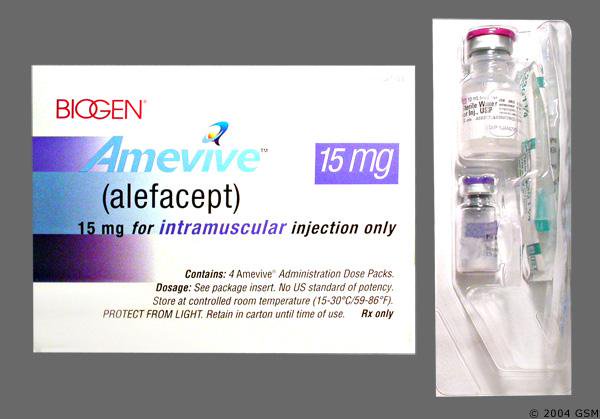
Alefacept is one of the many monoclonal antibodies that have been created; its commercial name is Amevive, and its manufacturer is Astellas Pharma US. Before we delve into Alefacept though, what exactly is a monoclonal antibody? And even before that, what is a regular antibody?  

Antibodies and Monoclonal Antibodies

Photo by Britannica

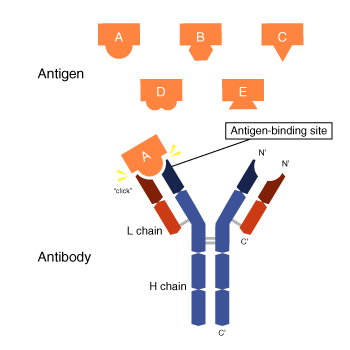
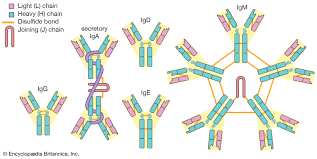
According to medicinenet, An antibody is a protein that is produced as an immune response to antigens, which are toxins or other foreign substances that the body deems harmful. In addition to being naturally made within the body, scientists have wanted to, and have succeeded at, producing them in a lab. These antibodies that are produced in a lab are what we call monoclonal antibodies. They create them by first introducing the human genes that code for producing the target antibody into mice, and then vaccinating the mice with the corresponding antigen for that antibody. This leads to an immune response within the mice where said antibodies are produced and then subsequently able to be harvested. 

Alefacept’s Purpose and Functionality

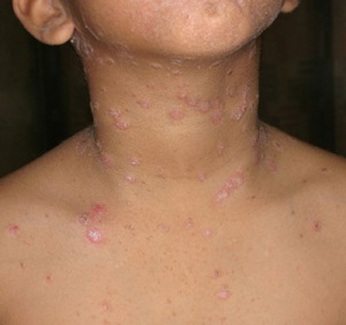
Alefacept is a monoclonal antibody that was made to combat psoriasis, which is a common, chronic, genetic, systemic inflammatory disease. According to the National Psoriasis Foundation, psoriasis is characterized by elevated and itchy plaques of raised red skin covered with thick silvery scales. This kind of sign results from a certain subset of T lymphocytes abnormally producing inflammatory chemicals that cause skin cells to multiply as well as producing changes in small skin blood vessels. To combat this, Alefacept suppresses the immune system, and it does so by attaching to the site on the T-lymphocytes where the antigen attaches, which reduces the stimulation and production of T-lymphocytes; this in turn prevents the antigen from binding and activating the T-lymphocytes. Additionally, Alefacept also increases the activity of natural killer cells that kill T-lymphocytes, which subsequently decreases the life-span of already produced T-lymphocytes. 

Potential Risks

Photo by Herb Class

Like all medicine, there is a plethora of potential side effects for Alefacept ranging from mild and common to severe and dangerous. medicinenet lists that on the milder side, things to worry about are sore throat, dizziness, cough, nausea, itching, muscle aches, chills, injection site pain, and injection site redness and swelling. On the more severe side, the side effects include a reduction in the number of immune cells, liver failure, serious opportunistic infections, allergic reactions, and cancer. Due to the nature of the drug, where it targets and specifically suppresses the T-lymphocytes of the acquired immune response, such severe side effects directly regarding the immune cells and leading to opportunistic diseases due to immunosuppression is easily expected. Since Alefacept is used in the case where the T-lymphocytes are acting abnormally, its effect on the immune response can be considered positive. However, like everything else in life, there has to be a balance; the multitude of side effects that Alefacept has, particularly the severe ones, show how too much of a good thing can also be harmful. 

Testing For COVID-19

Photo by WHSV

When we think of combating COVID-19, we tend to focus only on the treatment step. However, being able to determine if someone is infected in the first place is the very first step, and the accuracy of this step is crucial for every step that is taken afterwards. To test for COVID-19, there are currently two types of tests being utilized right now: molecular and serological.

Molecular Testing

Photo by SelectScience

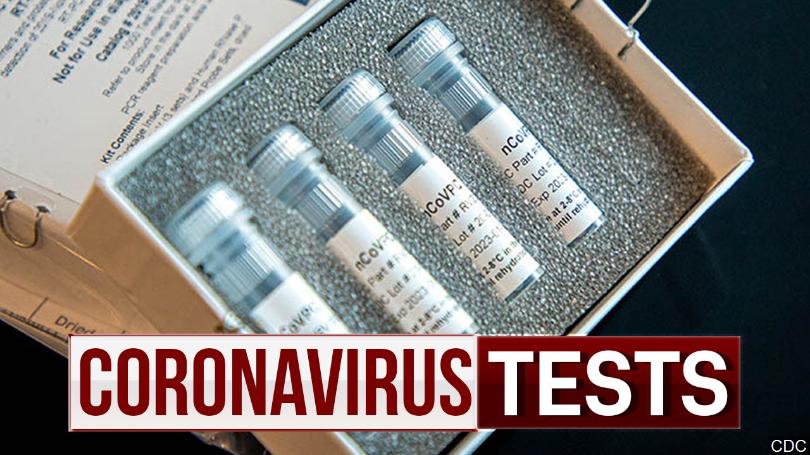
Of the two tests, molecular testing can be thought of as the “direct way of testing”. According to the WHO, molecular tests were the first type of test for COVID-19 that was used by the WHO and CDC. The way this test works is that it tests for the presence of genetic material from SARS-CoV-2 from a 6-inch nose swab; the genetic material is generally detectable in upper and lower respiratory specimens, so the swab is inserted into the back of the nasal passage through one nostril, rotated several times for 15 seconds, then repeated with the other nostril. According to Good Rx, the specific technique that is used to test for the viral genetic material in a sample is called reverse transcription polymerase chain reaction (RT-PCR); essentially, genetic material forma sample is copied and then compared to the genetic sequence of the virus you’re trying to detect. A positive result from a molecular tests indicates an active COVID-19 infection, but it does not necessarily rule out bacterial infections of co-infections with other viruses (small chance for a false positive). The other test available is called a serological test. However, before we can understand the nature of how a serological test works, we must understand some background on antibodies.

Antibodies Review

Photo by Bio Differences

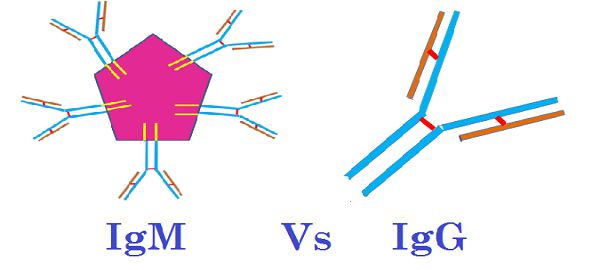
To start off, antibodies are a crucial part of your immune system. According to MBL, antibodies are proteins that are produced and secreted by B cells, and they function by binding to foreign antigens and “flagging” them for other immune system agents to take down. For every one antigen that exists, there is one antibody that your body produces that matches that antigen; an antibody is able to have so many unique forms that match the various antigens in the world because of its shape and the various amino acid sequences that it allows for. There is a variable region at the top ends of the “Y” shape that accounts for the antigen-binding specificity of the antibody, and there is a constant region at the bottom stem of the “Y” that is consistent enough that other components of the immune system can recognize the otherwise diverse antibody molecules, but has slight variations as well in the class of the immunoglobulin; the different classes all have distinct functions and properties of their own.

For the purpose of understanding serological tests, IgM and IgG are particularly important classes. IgM is the first antibody class produced during the primary response that circulates the blood, and then if T helper cells activate naive B cells and determine that it needs to fight off the infection with an IgG class antibody, the activated B cells will undergo something called class switching, where segments of its DNA get deleted, and thus a different class antibody is expressed. IgG is important in that it provides the longest-term protection with its 21 day half-life, and in that it becomes the most abundant serum immunoglobulin while having the ability to not only circulate the blood vessels but also enter tissues.

Serological Testing

Photo by NY Intelligencer

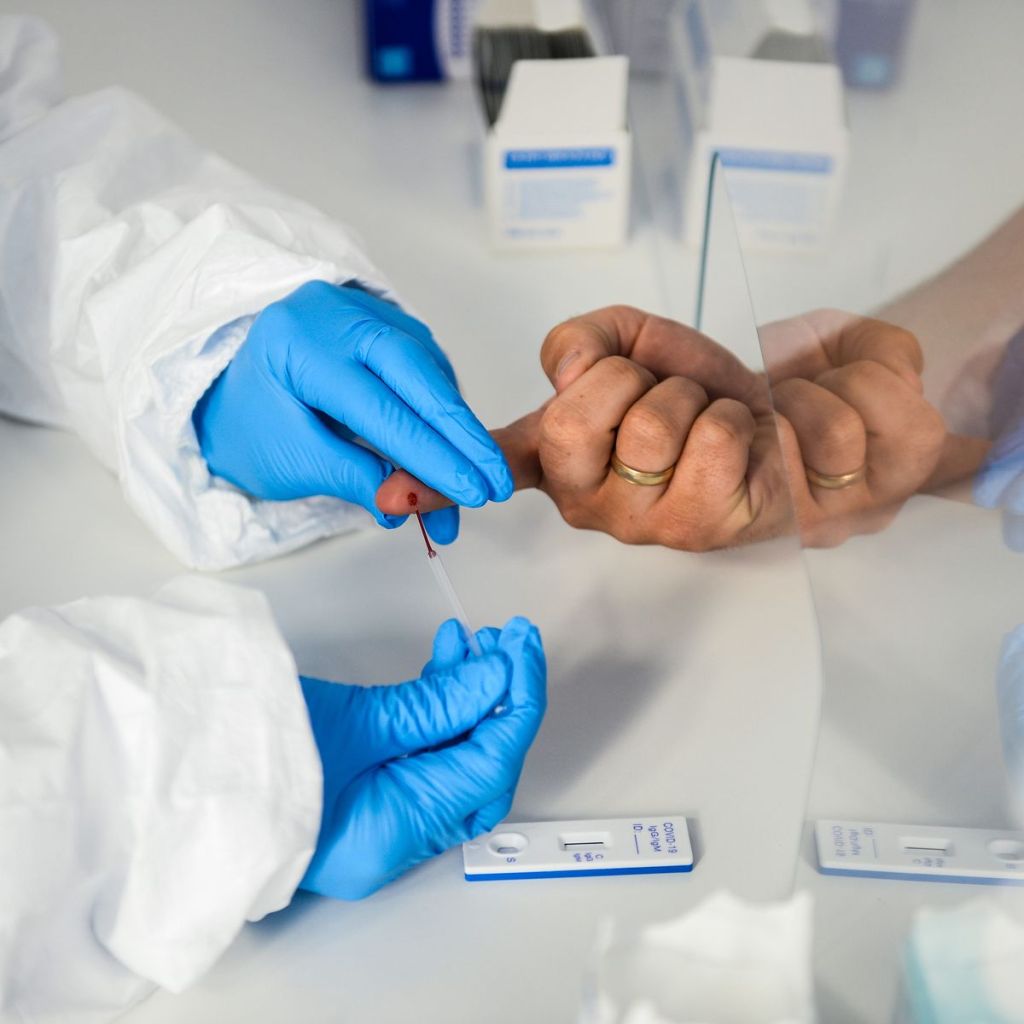
The difference between serological testing and molecular testing is that serological testing identifies those that were infected and have recovered. Serological tests are able to do so by testing for the antibodies in a blood sample. According to Good Rx, the presence of IgM indicates recent exposure to COVID-19, and the presence of IgG indicates later-stage infection. This makes sense, as IgM is the first class produced during the primary response, and it takes class switching to get to IgG. Additionally, because IgG has the longest half-life, if there is only IgG left in the blood, it indicates that it has likely been fighting the infection for much longer than 10 days (the second longest half-life: IgM). Thus, if someone tests IgG positive, they likely have already recovered from the infection by then, and it suggests that they are now immune to the virus. If both are equally in the blood, it is likely an active infection as class switching is just happening for the right immunoglobulins to take over, although the timing would have to be very specific to observe this, and would likely not produce accurate results. Serological tests are typically much faster than molecular tests (10-15 minutes), and they typically use a technique called enzyme-linked immunological assay (ELISA) to detect the presence of antibodies to the virus.

Even though serological tests are much faster, the FDA did not authorize them until recently. Additionally, companies that had begun to sell at-home COVID-19 test kits were forced to stop after the FDA issued a statement saying there were no at-home tests that were currently authorized under FDA policy. Getting access to testing and getting accurate testing are both very important for combating the virus, so it is good that this crucial step is being regulated as much as possible. It is also good news that the Families First Coronavirus Response Act mandates that COVID-19 testing is free whether or not you have insurance; the fact that you won’t have to pay anything out of pocket for medical services related to COVID-19 diagnostic testing is a great step forward from where our unfair medical care system started off with at the start of this pandemic.

HIV is not a Treat

Photo by Poenaroda

Very few people in this world have never heard of HIV or AIDS, and those that are aware, know just how deadly the consequences are.

What is HIV?

Photo by EarthCBD

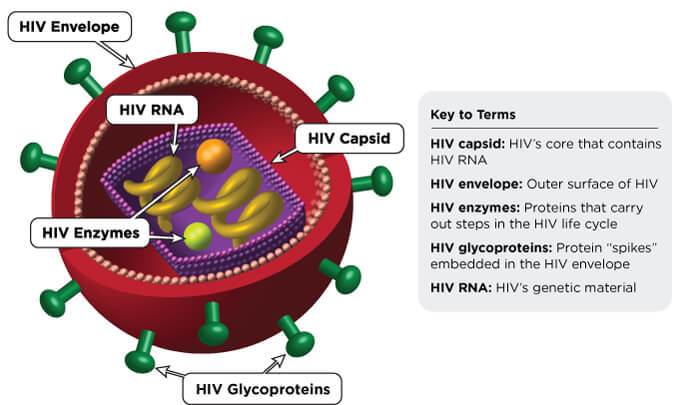
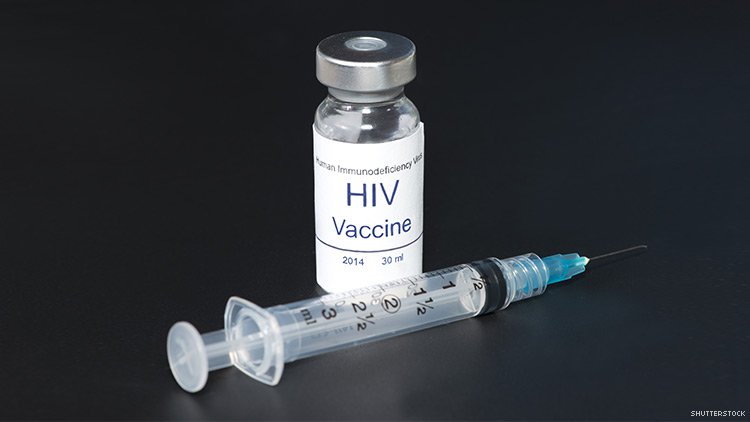
HIV, or Human Immunodeficiency Virus, is spread through certain body fluids and is exactly as it sounds: it is a virus that attacks the immune system. According to the CDC, it particularly attacks the CD4 (T cells), which play a crucial part in coordinating your immune response, as they are responsible for stimulating other immune cells such as macrophages, B cells, etc. The CDC emphasizes that there are three stages to an HIV infection. The first stage is acute HIV infection, which is characterized by flu-like symptoms within 2 to 4 weeks after infection, lasting for a few weeks. People in this stage are very contagious. The second stage is clinical latency (HIV inactivity or dormancy), which is characterized by low levels of reproduction and activity by the virus. Those in this stage are still contagious, but if they take medicine to treat HIV and stay virally suppressed, they have “effectively no risk of transmitting HIV to their HIV-negative sexual partners”. Different people spend different lengths of time within this period, but at the end of it, they move on to stage three: AIDS. AIDS, or Acquired Immunodeficiency Syndrome, is characterized by extremely damaged immune systems that allow for severe opportunistic illnesses. People in this state are very infectious and typically only survive for about three years without treatment. Unfortunately, despite how common, prevalent, dangerous, and long this disease has been around, there still has not been any vaccine that has been successfully made for it. The virus changes too frequently for a vaccine to be made from one strain. However, treatment and preventative medicine has come a long way since when the disease first appeared, and one of such preventive medicines is called prEP.

prEP-aring for HIV Exposure

Photo by Avert

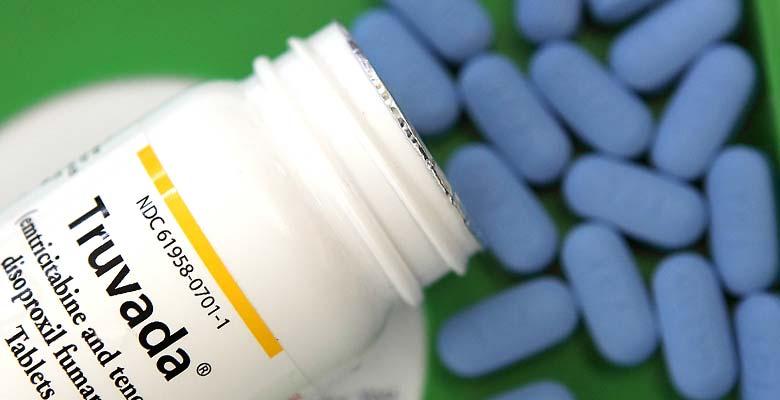
 prEP stands for Pre-Exposure Prophylaxis, and it is a daily anti-HIV medication that keeps HIV negative people from being infected. According to the CDC, prEP combines the two HIV medicines tenofovir and emtricitabine, and studies have shown that the combination (when taken daily) reduces the risk of getting HIV from sex by approximately 99%, and for those who inject drugs, approximately 74%. prEP works by preventing HIV from establishing infection inside of the body; specifically, it blocks an enzyme called HIV reverse transcriptase, which prevents HIV from making more copies of itself in the body. It is crucial that the medicine is taken daily or else there will not be enough within the body to counteract that enzyme. If you think about it, it’s honestly an extremely similar concept to birth control pills. We take small doses everyday to have enough of the suppressing agent (for combination pills: estrogen and progestin) in order to have enough circulating regularly within our bloodstream to be able to equip our body with what it needs to combat what we don’t want. You can also say that it is similar in how the people who seek the medicine are people that are at high risk of the consequences regarding what the medicine is for. People seeking birth control are typically those that are sexually active, and will be at risk of pregnancy.The people that seek out prEP are typically those that are not in a mutually monogamous relationship, are gay or bisexual men, are someone who inject drugs, are with an HIV-positive partner, etc, which make them at high risk for HIV. 

Current Vaccine Status?

Photo by Plus

Having prEP is already an amazing feat, however it is still not a vaccine. It’s effectiveness is also inconsistent due to human error, and not everyone has consistent access. Thus, the quest for a vaccine continues, and one such recent preposition is the ‘Mosaic’ HIV vaccine that is soon to be tested in thousands of people across the world. According to Nature: International Journal of Science, this experimental vaccine targets more strains of the virus than any other, and seems to have longer lasting effects. As mentioned before, one of the greatest challenges to creating an HIV vaccine is due to how fast and frequently the virus mutates (or changes). Due to this, a vaccine created from one HIV strain might not even be effective anymore by the time it is finished. The Mosaic HIV vaccine gets its name from attempting to tackle this by incorporating genetic material from HIV strains from around the world, using the mosaic of viral strains to create a vaccine that would target more strains of HIV than any other vaccine that has been developed so far. In addition, the vaccine also includes two synthetic proteins that give the vaccine a “protein boost” that “makes this a truly global vaccine.” So far, smaller trials have shown that the vaccine prompted the production of antibodies amongst other immune responses against HIV, but in September, scientists plan to bring it to a bigger scale, and test the vaccine in thousands of people. Particularly, they will be tested in transgender and gay individuals, as these communities are disproportionately affected by HIV (two thirds of new infections in the United States). 

Looking Towards the Future

Photo by Medium

Although we have some preventative measures already, such as prEP, they still fall short of being long-term reliable protection. In the end, although there is also increasing treatment, there is still no cure, and our current battle with HIV continues. It’s unfortunate that after all these years, with all this new technology we still haven’t found a vaccine yet, but there’s no doubt in my mind that it will happen one day. Some might even bring up the conspiracy that there is already a cure, but the government hides it for economic reasons. Who knows? I guess only time will tell, and hopefully with the Mosaic vaccine and any HIV vaccine research that persists, we will get to the point where HIV can be eliminated from the population.

Check In: Outside of COVID-19

Even though COVID-19 is all we hear about now in the media, and even though it feels like our lives are currently completely centered around COVID-19, there is plenty that is still going on outside of the pandemic. Like the above information depicts, there are still other diseases that are present around us; in fact, HIV/AIDS is also a pandemic, and we have been battling it for many years. It is in times like these however, that we should try to focus more on the good than the bad, such as any progress we’ve made medically towards other diseases (prEP, potential HIV vaccine, etc.). Also, although most things have closed down, politics are still active as ever, including politics not directly relating to COVID-19. The presidential campaigns have still been running, and recently Bernie Sanders had just dropped out of the race. These are just some of the things on a bigger-scale that depict life moving forwards despite the pandemic, but there are also small every day things as well; just the fact that we are all trying our best to adjust to remote life, or, on the flip side, enjoy the once in a lifetime excuse for a break, shows our individual efforts to move forwards and not let the negativity surrounding COVID-19 completely consume us. Finally, one of the few benefits about this pandemic is the environmental effect its having outside of its otherwise destructive path; even though we’re not sure if it will be long-term, the short-term impacts of decreased human activity due to the pandemic has led to a drastic decrease in all forms of pollution. There is plenty that is happening outside of this pandemic, and focusing on such is crucial for us all to combat COVID-19, even if it’s just mentally.

Countering Covid-19

Photo by MLI

At this point in time, COVID-19 is still very much present, wrecking havoc, and largely a mystery. There are still no specific treatments for COVID-19, but Harvard Medical School suggests that getting enough rest, staying well hydrated, and taking medications to relieve fever and aches and pains can help with symptoms for now. Of course, treating the symptoms can still only go so far, and can only be applicable to those with milder symptoms; thus, we are all still anxiously waiting for an official recommended treatment to be established. However, with scientists all over the world working on the case, we can (and should) believe that we are in good hands, and trust in the process. In fact, even as we are still trying to figure out the complete pathogenicity of COVID-19, scientists have already been working hard with what they know at the moment to figure out effective treatments/therapies that hold potential and can be quickly implemented with minimal risk. Some currently promising options are antiviral drugs that were developed for other viruses, and antibodies from people who have recovered from COVID-19.

Antivirals

Photo by PEP.ph

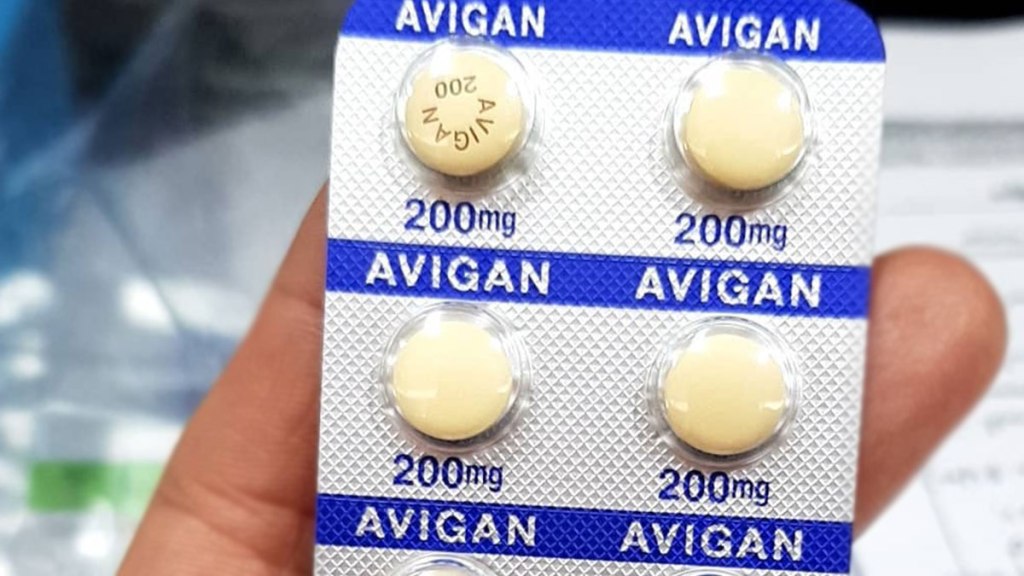
Each country has been conducting their own tests with their own drug predictions, so there are countless options being tested right now. According to Wired, Japan has particularly made a lot of progress with the drug Avigan. Avigan was created as an anti-influenza drug, and it was developed decades earlier by Toyama Chemical, a subsidiary of Fujifilm. Thus, Japan’s health minister, Katsunobu Kato, enlisted the well known camera and imaging company to help fight COVID-19.

And boyyyy did they help. 

The Fujifilm team worked from different offices and factories, made contingency plans for ramping up production of the drug, advised clinical researchers throughout Japan, and helped get the drug to hospitals where it was able to be used as an emergency measure to treat the growing numbers of COVID-19 patients. They somehow managed more and got further than what most governments could claim to have done in response to the spread of COVID-19. The Prime Minister Shinzo Abe told reporters on March 28th that his government had begun the formal process for designating Avigan as Japan’s standard treatment for the virus.

Antibodies

Photo by MBL

Another treatment option that has been explored is using antibodies. Antibodies are these Y-shaped proteins that our own immune system, specifically our plasma cells, produces to identify and combat foreign antigens that enter our body. Under normal circumstances, our body will still contain these antibodies, and in greater numbers, after the infection is fought off. Thus, the concept of convalescent plasma – plasma from recovered patients – was created. According to Harvard Medical School, this method has been used for more than 100 years to treat illnesses such as measles, polio, chickenpox, and SARS, and now the same method is being explored for treating COVID-19. As of right now, experts don’t know during the course of the illness to give plasma, so there is still much experimentation that needs to be done in that regard; however since March 24th, the FDA began allowing convalescent plasma to be used as an emergency treatment option for patients with serious of immediately life-threatening COVID-19 infections. As mentioned in a previous blog, I personally feel like “natural” is always better; of course if there are better results with a synthetic drug, I will strongly support effective treatment, but the idea of using things that our bodies naturally have just feels better. Even if the antibodies are from another person, they will still be more natural for the body than any drug could be, and because of that I really hope we can successfully find out how to optimize this antibody option for COVID-19 treatment.

Unnatural but Natural

Photo by On Health

In the world of medicine today, we have come a long way in terms of finding treatment and then finding a variety of different treatment options. T cell and dendritic cell therapy are some of the newer options that are being explored right now, and both of which use the cells of our own body to treat infection and disease.

Dendritic Cell Therapy

Photo by Stem Cell Therapy Mexico

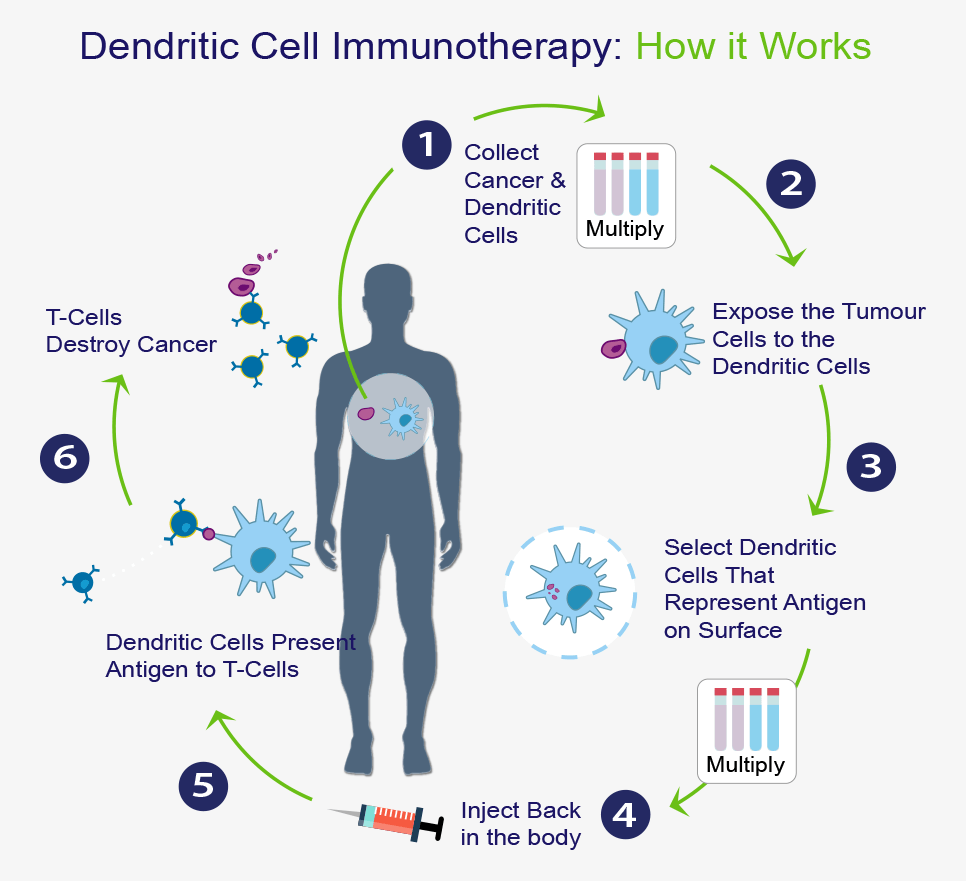
Firstly, what are dendritic cells? According to Infusio, dendritic cells are white blood cells that can be found in the bloodstream, and they function as antigen-presenting cells. Their role as antigen-presenting cells is to identify threats that the body’s immune system needs to respond to, process the antigen material from said threat, and then present that information on the cell surface for T cells of the immune system to recognize and kill. In dendritic cell therapy, the idea is to concentrate a patient’s dendritic cells, sensitize them to their specific disease (typically cancer), and then reintroduce those cells into their system so that the “trained” cells can boost the body’s capacity to fight off the disease. This kind of cell therapy is considered “personalized medicine”, because the goal is to have the patient’s own enhanced/boosted self-immunity battle the specific disease that they have. In other words, it is considered a “tailored treatment vaccine”. 

CAR T-Cell Therapy

Photo by Genetic Engineering & Biotechnology News

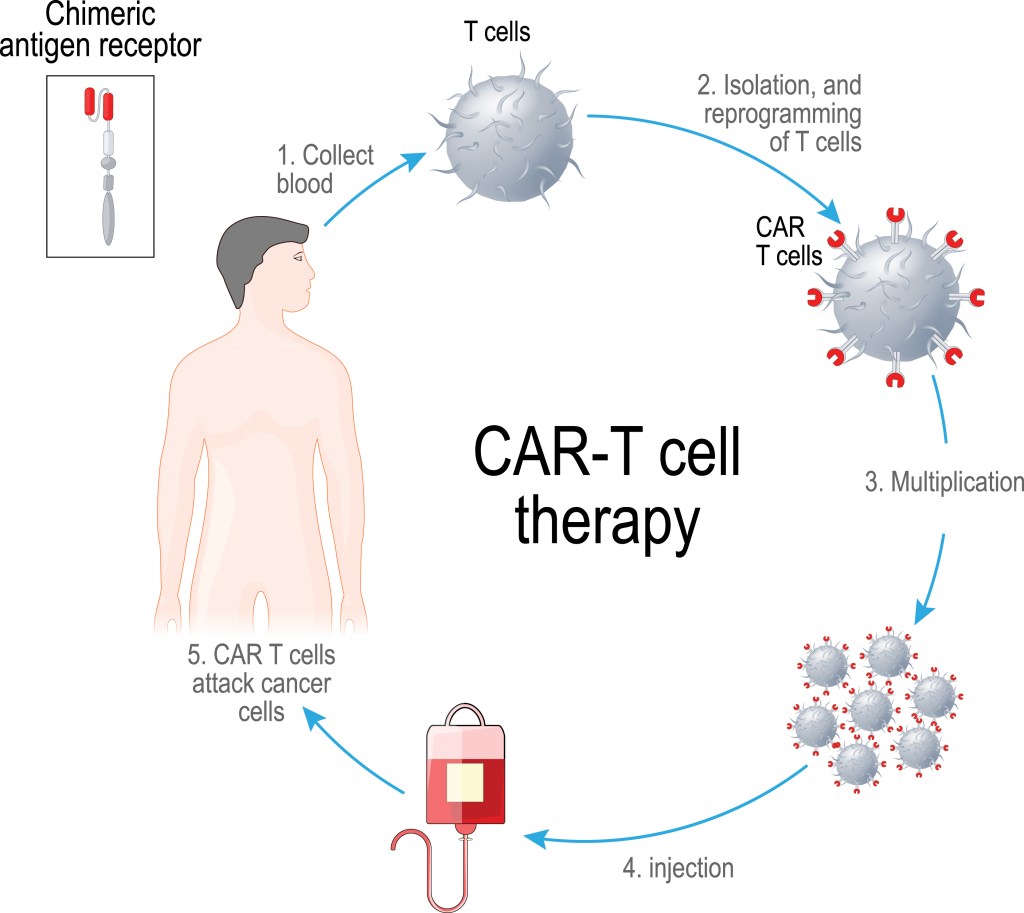
CAR T-cell therapy works similarly to dendritic cell therapy in that it also uses a patient’s own immune system cells to fight against disease, but T-cells are different from dendritic cells. T-cells are another type of white blood cell, but they function specifically in adaptive immunity. According to ASU: Ask A Biologist, T-cells have receptors that cover their surfaces; when the specific antigen binds to these receptors, a helper T-cell will coordinate the attack on the cell, and a killer T-cell will release cytotoxins to kill that cell. According to the Dana-Farber Cancer Institute, CAR T-cell therapy uses specially lab engineered T cells that sprout special structures called chimeric antigen receptors. When these CAR T-cells are later re-injected into the patient, the goal is for these new chimeric antigen receptors to help the T cells identify and attack infected cells (typically cancerous) throughout the body, because now they have a new ability to target a specific protein.  

Cell Therapy in Cancer

Photo by Vecteezy

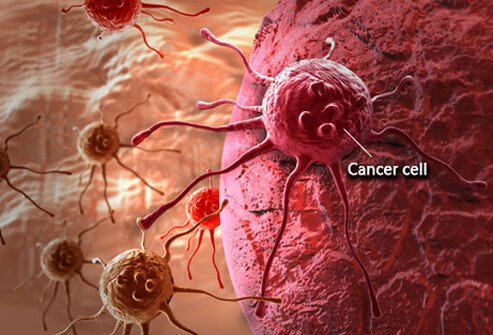
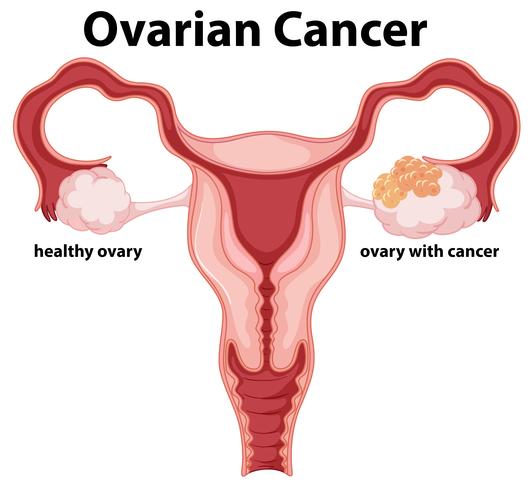
In most cases, both dendritic cell therapy and CAR T-cell therapy are immunotherapy methods directed towards cancer treatment. With dendritic cell based vaccines in particular, Hindawi notes that there have been promising results already with its use in several cancers such as melanoma, prostate, and lung cancers.  Seeing these results, a research study on Hindawi explored the same implications on ovarian epithelial carcinoma. Specifically, they used autologous dendritic cells loaded with ovarian-associated antigens, and these were able to stimulate the proliferation of autologous T cells and to induce tumor-specific cytotoxic activity.  According to this research study on Hindawi, the combination of using this dendritic cell therapy treatment with antiangiogenic monoclonal antibodies increased the clinical efficiency of the therapy, and it induced a 2-year prolonged survival of the treated patients as well.

With years and years of research dedicated to treating cancer, we’ve gotten significantly far in our efforts, but unfortunately it is still not far enough; the current treatment options are still not ideal (painful, dangerous side effects, etc,), and sometimes they are still ineffective. This personalized medicine kind of cell therapy is one of the newer methods that we have been exploring, and although it is meant to be a complement therapy alongside other more aggressive treatments, hopefully it can be developed to the extent of being the main source of treatment. In the end, using as much of what our bodies produce naturally is much better than putting patients through multiple chemicals or exposure to radiation.

Tuberculosis More Like Tubercu “No Sis”

Photo by HSPH Harvard

Tuberculosis Infection vs. Tuberculosis Disease

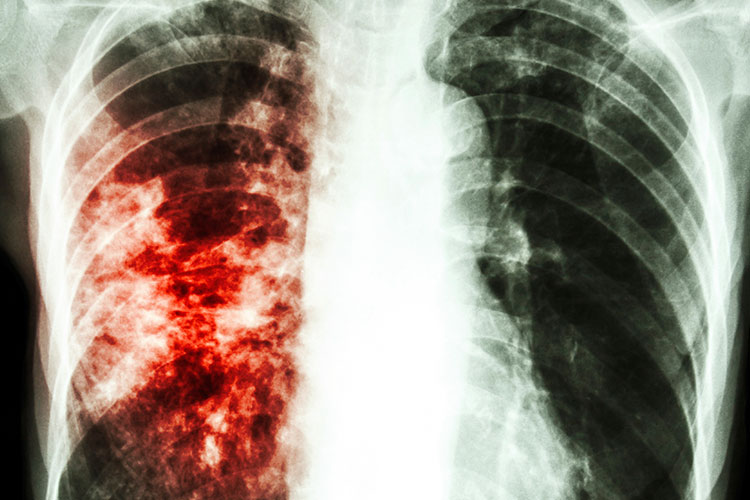
What people don’t usually realize about Tuberculosis is that there is a distinct difference between Tuberculosis infection and Tuberculosis disease. According to Share Care, when someone breathes in TB droplet nuclei from someone that has TB disease, that person may become infected with TB. Under normal circumstances, people’s naturally healthy immune systems can contain the infection and prevent it from proceeding into TB disease. In these cases, where a person has a TB infection only (with a normal chest x-ray), they are not sick or contagious to others, and this is considered latent Tuberculosis. However, If someone who is infected with TB does not receive proper preventative treatment, this will allow the bacteria to grow and cause active TB disease. 

Risk Factors & Signs and Symptoms

Photo by ScienceNews

Tuberculosis can affect anyone, but certain factors can make some people more susceptible than others. For example, the American Lung Association lists that one such factor is a weakened immune system, such as from HIV/AIDS, cancer treatment, immunosuppressive drugs for organ transplants, etc. Another example is traveling to or living in certain locations, such as Africa, Eastern Europe, Asia, Russia, Latin America, and the Caribbean Islands, where there are higher rates of tuberculosis and drug-resistant tuberculosis. Additionally, and in line with location, the place you work (such as in health care facilities) will also increase your risk of developing Tuberculosis, and if the areas you visit or frequent have high poverty rates and drug abuse, that can also increase the risk. Whatever the reason, once someone develops active Tuberculosis disease, it affects the lungs and has the potential to become a serious infectious disease. According to American Lung Association, some signs and symptoms of active Tuberculosis includes coughing that lasts three or more weeks, coughing up blood, chest pain or pain with breathing or coughing, unintentional weight loss, fatigue, fever, night sweats, chills,and loss of appetite. In even more severe cases, Tuberculosis can also spread to and affect other parts of the body, such as the kidneys, spine, or brain, which will then lead to other varying signs and symptoms. 

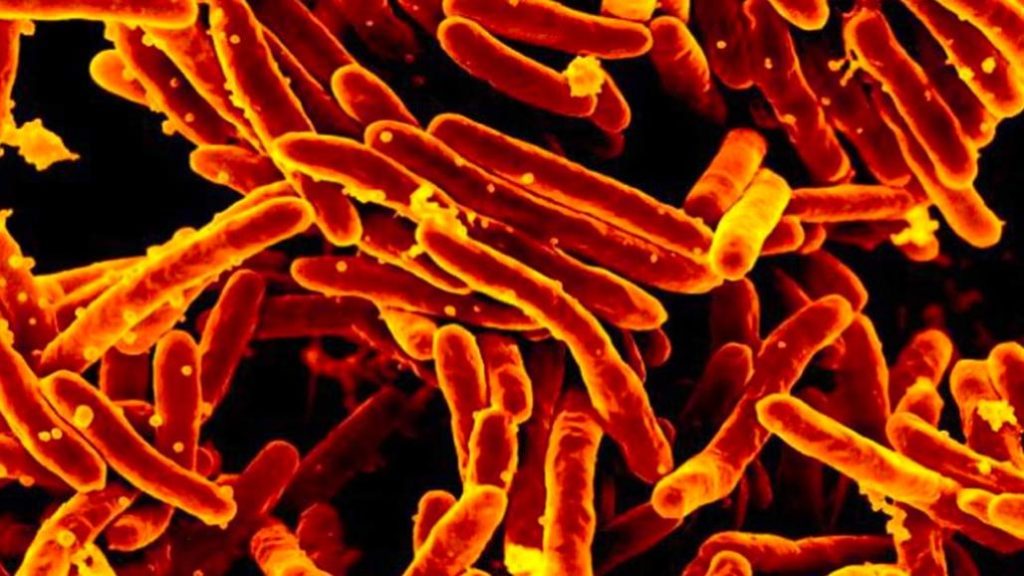
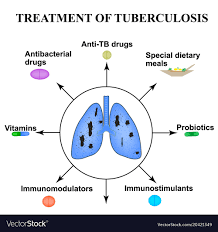
Treatment 

Photo by Vector Stock

According to WebMD, since Tuberculosis is caused by a bacteria called Mycobacterium tuberculosis, the treatment method for Tuberculosis is 6 to 9 months of antibiotics, whether Tuberculosis is in its latent infection state or active disease state. In its latent stage, the antibiotic treatments that are typically prescribed include a daily Isoniazid pill (the most common therapy) for 9 months, daily Rifampin pill for 4 months, or a combination of Isoniazid and Rifapentine once a week for 3 months. When Tuberculosis is in its active stage, the four common antibiotics that are prescribed are Ethambutol, Isoniazid, Pyrazinamide, and Rifampin, but the duration and which antibiotics to rely on will depend on a test that the doctor orders. They will first test to see which of the common antibiotics will kill the Tb strain that you specifically contracted, and basing off those results, you will take three to four medications for 2 months. Then, you will take two medications for 4 to 7 months. If you unfortunately happen to contract a drug-resistant strain of Tuberculosis, you will have to be treated with a combination of second-line drugs that may not be as effective, and you will have to take those for a longer period of time. Of course the best treatment is prevention (protect yourself from getting infected in the first place)! The best form of preventative measure that is available is a vaccine against Tuberculosis. Fun fact: the BCG (Bacillus Calmette-Guerin) vaccine that protects people from human tuberculosis often leave a scar on the upper arm where it is administered. Thus, people from high risk tuberculosis areas that lead to more regulated/required vaccination against tuberculosis will have this scar (both my parents and my brother from China have it). 

Personal Pandemic Perspective

Photo by University Post

The Very Beginning

Looking back to when we first started hearing about the novel coronavirus, it’s crazy to see how much it has progressed to today. I remember when I first heard about the coronavirus, it was a meme on facebook. Days later, I went home, and that was when my father gave the first of his many talks about what he has heard and learned about the virus. He had many strong feelings about it, being Chinese himself, and with us having family in China that are near the Hubei province that Wuhan is located within. Although mainly, his issue was that he was so frustrated with our family (and the general chinese public) for not believing him when he warned them about the emerging coronavirus cases, despite the articles he sent to them; because the chinese government had not mentioned anything yet, they refused to believe any outside information (the government was still hiding it at that point). He warned them out of care and concern, but they retaliated defensively saying that America is out to ruin China with their lies (a common response from the brainwashed public). Due to this, my dad did talk about the virus itself with me, such as the symptoms and immunology aspects, but he also talked about the role of the government in why the situation was so tragic. I remember then, that I felt similarly worried and upset about the situation in China, but everytime I would return to Chapel Hill, that feeling would then slowly diminish. I would try to talk about it with some of my friends, but when they didn’t reciprocate the same level of care, I couldn’t help but be affected by that, and I noticed myself worrying less as well. I’ve also realized, in general, that people will typically not actively think about tragedy, because we want to avoid the negative feelings that are associated with it. In other words, we either consciously or subconsciously choose to be ignorant, since “ignorance is bliss”. With the issue being overseas, most people also had a detached mentality due to it feeling like it was “not their problem”. This kind of attitude was what I was surrounded with, and this is where my personal journey began.  

Escalation

Photo by The Verge

As time went on, we started to hear it finally establishing and spreading in other countries. It gets officially named as COVID-19, and it is declared a pandemic. With spring break coming up, some people start getting wary, but because there weren’t many cases yet, the small numbers did not make as big of an impact on the public, and actual concern did not start building up. Me and a few of my friends planned a trip to Virginia Beach, and right before we left, we heard news of COVID-19 reaching Wake county, which is where I am from. My parents get increasingly worried, and call me often to make sure I know the latest news on what areas are affected. They try to convince me from going on the trip, but I assure them that there aren’t any cases in Virginia yet, and in general we would stay away from other people and only stay with people in our group. We go on the trip, and we worry about our friends that are going down to Miami, but we try to think about that later. When we get back, we start hearing rumors that schools are planning to shut down, and like most students, we’re excited. When the extended spring break and remote classes got announced, we celebrated, but at the same time we were also just a bit in disbelief; every university choosing to make this kind of decision also meant that things had escalated to the point of taking these measures. 

Now

Photo by Meme Creator

Since things have moved onto online remote learning, I’ve been staying at a friends’ place in Chapel Hill and avoiding home. However, eventually I did feel bad for not seeing my parents, and so I went to go back to visit for a week. During the week, I tried my best to adjust to remote learning, complete an increased workload, and revisited some old hobbies of mine, such as singing. Being home, close to my piano, and an entire space to myself is nice, but the changes in the curriculum schedule for all my classes have been really rough. Things have been split and spread out, and although it has its perks, it also means that it feels like there is always a constant workload, compared to before where it would feel like waves of intense work and then it calmed down for a bit. In some of my other classes, the online aspect has given me more time to work on some assignments, but they now require me to pace myself for the rest of the semester, which is also something I’ve never been the best at; I’m trying my best to keep up with everything, but I’ve already had to pull two all-nighters because I can’t seem to figure out the best way to time manage. Hopefully, I will just get more and more into a new routine, and things will sort itself out eventually. Now, towards the end of the week with my parents, that’s when the stay-at-home orders were being put out. I didn’t think things would keep escalating, but if it really was getting to that point, I was getting increasingly worried about my mother who has an autoimmune disorder (rheumatoid arthritis); thus, I was stuck between the decision of actually staying inside and not even going out to get food, or leaving home indefinitely back to my friends’ house where I could still go out occasionally to get food and just practice general social distancing if I need to go outside. On one hand, I might go insane if I have to stay completely inside for months, but I would be able to ensure that I don’t risk any chance of bringing the coronavirus back home. On the other hand, I would be able to have a little more freedom if I stayed with those same friends that I originally self-quarantined with, and I would be staying away from my susceptible mother, but I wouldn’t be able to see my parents for a really long time. After thinking about my options, I made the hard decision to come back to Chapel Hill. Ideally, if I am able to buy a lot of groceries and me and these friends can self-quarantine for another successful period, I can go back to visit for another week. So at this point in my personal pandemic experience, I am back in Chapel Hill, I am adjusting to the new remote learning, and I am praying that my family can stay safe and healthy.   

COVID-19, a New Name and New Progress

What Are Some Big Updates?

Photo by BioWorld

Since the last time we discussed this coronavirus, it was still in its earlier stages of damage. Before, it was referred to as the 2019 novel coronavirus, now, the WHO has renamed the virus to SARS-Cov-2, and is referring to by its disease name, COVID-19. This chosen reference name is strategic in its goal to avoid creating unnecessary fear for some populations, such as in Asia where the SARS outbreak in 2003 hit the hardest.  Additionally, COVID-19 also used to be relatively contained in China with a few scattered cases in other countries. Now, Italy and Korea have been hit just as severely, and they are taking just as serious measures to contain and fight off the same fate. The United States has also started to have our own growing cases, eliciting also our own precautionary measures. In fact, even as I am writing this blog, I am writing it at home while under the university’s encouragement to self-quarantine for who knows how long. At this point, COVID-19 has also been officially declared a pandemic by WHO – another big progress since the last blog when it was still just barely an epidemic.

Details in the United States?

Photo by CDC

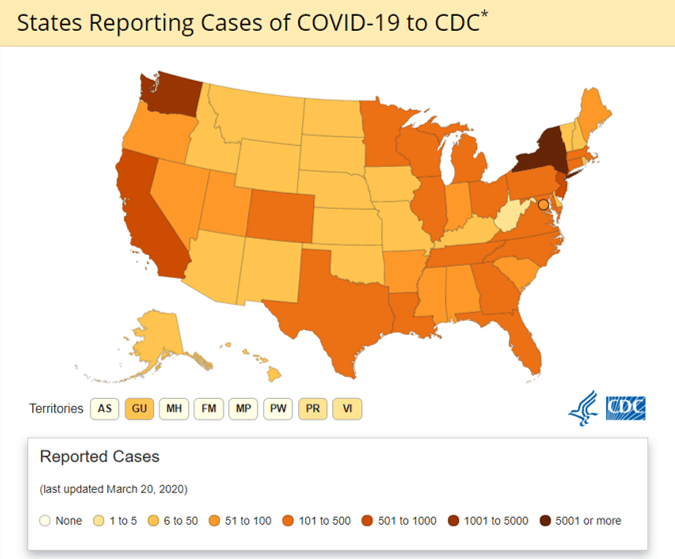
With the pandemic making its way across the United States now, it is important to look into what the actual state of everything is. Firstly, let’s take a look at where it all started for us; according to The New England Journal of Medicine, the first confirmed case of COVID-19 was reported on January 20, 2020. The day before, a 35-year-old man sought medical care at an urgent care clinic in Snohomish County, Washington, with a 4-day history of cough and subjective fever. Several tests were run to determine the cause of his symptoms, including one testing for COVID-19 after he had disclosed that he had returned to Washington State on January 15 after visiting family in Wuhan, China. Alas, on January 20, 2020, the CDC confirmed that the patient had tested positive for COVID-19. As of now, the CDC reports 15,219 total recorded cases, and 201 total deaths, and the numbers are only going up. As that case shows, along with many others, Americans of all ages are being affected, and American adults of all ages are being seriously sickened by the coronavirus. According to NY Times, the CDC found that the oldest patients do have the greatest likelihood of dying/being hospitalized, but “of the 508 patients known to have been hospitalized, 38 percent were notably younger — between 20 and 54. And nearly half of the 121 patients who were admitted to intensive care units were adults under 65”. Plenty of those cases are also young adults that were in good health prior to contracting the virus. It is crucial that everyone is aware that no one is completely “safe”.

Everything Wrong With Everything

Photo by NY Times

Now you may be wondering . . . how did things end up like this? Well you know what, that’s a great question because who knows . . . it never should have gotten to this point. Many people are questioning why the United States is so unprepared. Way before the virus had made it over here, we saw the damage it had done/can do in China, we saw that spread into Korea and create just as much chaos, and we even saw things escalate further into Italy, and yet we still did absolutely nothing to prepare for what was also going to inevitably come our way. That, in and of itself, is already an issue, but the way that the United States is trying to face the situation is revealing even more issues. Firstly, the flaws in our healthcare system are being shown in how, despite the presence of a rapidly spreading, extremely contagious disease that is heavily dependent on every individual’s actions, some people are still unable to access any form of healthcare. This inability to access healthcare is mainly due to how excessively expensive healthcare is for the people, and even for hospitals to be able to access enough tests for their people. Additionally, the flaws in our economy are also being shown in how the government is putting so much money into big corporations that don’t truly need it, or into the huge airline industry to keep it afloat for trade and international business, while doing absolutely nothing to help the smaller, local businesses that are going under, and actually need the desperate help. So many people are becoming unemployed as well, and there are only slow, scrambling, after-the-fact efforts to somehow consider this growing population. 

How to Proceed

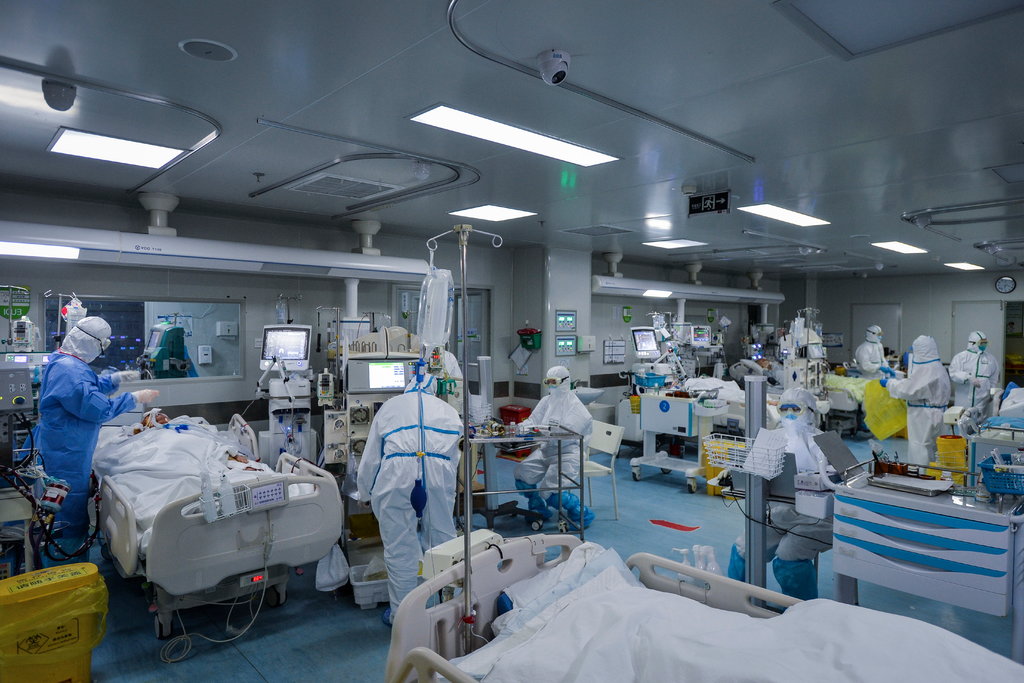
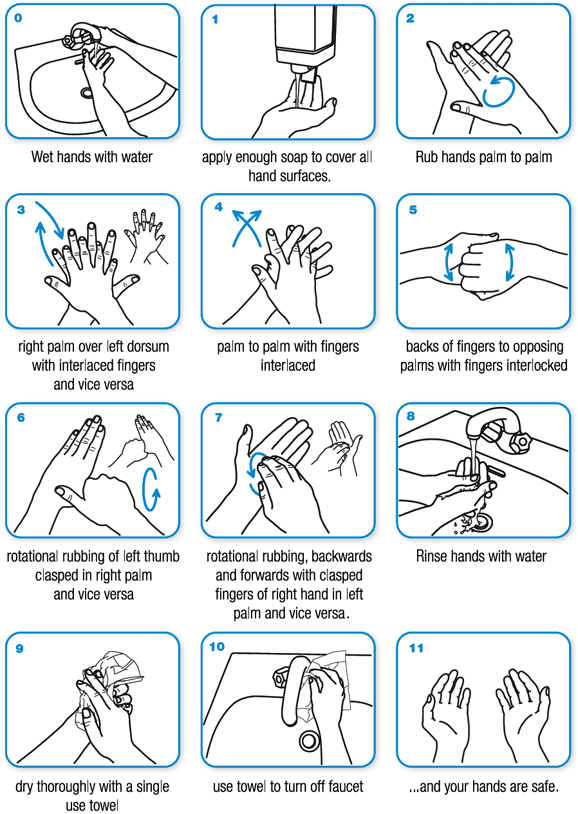
Understandably, right now there is equal parts panic and a false sense of security across the nation. Moving forward, it is crucial to recognize that this is indeed a very serious situation that requires every individual’s effort, and that as much as it is scary knowing that no one is completely safe, we can minimize the damage with the recommended social distancing and self-quarantine. The idea of these two factors is to create a “manual vaccine”, creating the effect of herd immunity by reducing the possibility of the immunocompromised getting exposed to COVID-19. Indeed, it is inevitable that the virus will run its course and infect more people, but if we can slow, or even reduce, the rate, we can ensure that our hospitals won’t become too overwhelmed. Reflected in China, Korea, and Italy, one of the biggest issues in combating the spread of COVID-19 is how there are too many patients and not enough healthcare workers and resources to care for the sudden influx of sick people. Additionally, we can help make sure that the people who really need certain things get what they need by NOT panic buying and assuming unnecessary precautions. For example, unless you are infected or have symptoms of any respiratory illness, there is no need for you to buy up all the masks; leave those for healthcare professionals that are actually in constant close proximity with the virus. The more we help protect our healthcare workers, the less likely that they will fall ill, and subsequently reduce our fighting power. Also following the “no panic buying” sentiment . . . there is absolutely no reason why there should be a shortage on TOILET PAPER. Of all things, toilet paper? Really? With regards to all resources, do NOT stock up like you’re trying to survive for 10 years inside your home; there are plenty of people that are actually low on all the things people keep panic buying, and it can be frustrating trying to meet the bare minimum and not even being able to manage that. Finally, the best way to reduce the spread of disease is handwashing! When I was in my CNA program, there was a whole testable skill dedicated to proper handwashing, and then before/during every other skill we learned, we had to accurately state when we would wash our hands. Proper hand washing includes thorough scrubbing for at least 20 seconds with 2-3 pumps of soap, making sure to cover all surfaces and crevices of your hands and up to your wrists as well; a good way to picture it is to imagine that you just got jalapeno juices all over you hands and that you need to wash your hands well enough to put in contacts right after. To wrap up, listen to the instructions given by the CDC, wash your hands frequently and correctly, save resources for those who need it, and while understanding the severity of the situation, do NOT panic.

Gonorrhea “Gone Wild”

This image has an empty alt attribute; its file name is gonorrhea-bacteria.jpg
Photo by CNN

What is Gonorrhea?

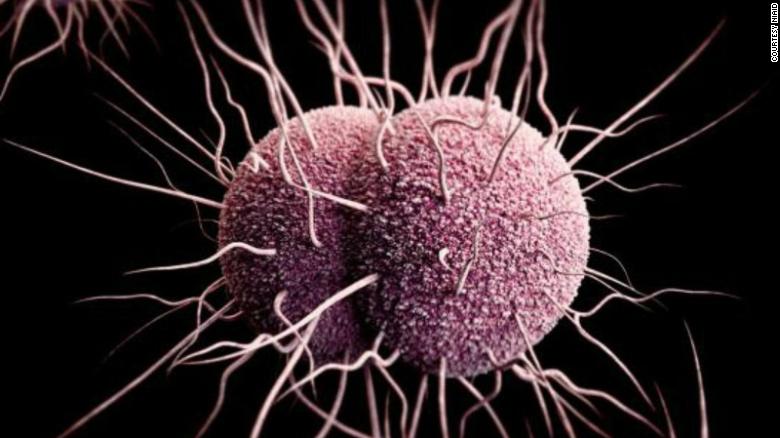
Gonorrhea is one of the many sexual transmitted diseases that are still wrecking havoc on the world. According to SFAF, Gonorrhea is the second most commonly notified sexually transmitted infection across the EU/EEA countries, with almost 500,000 reported cases between 2007 and 2016. Gonorrhea is an infection that is caused by Neisseria gonorrhoeae, a gram-negative diplococci bacteria. In most circumstances, the Mayo Clinic emphasizes that gonorrhea shows no symptoms, but when symptoms do appear, it often affects the urethra, rectum, or throat, and specifically for females, also the cervix. Additionally, although gonorrhea is most commonly spread during sex, it can also be passed to babies during childbirth; in that case, eyes are also an target infectious location. Some symptoms for men include painful urination, pus-like discharge from the tip of the penis, and pain or swelling in one testicle. For women, some symptoms include increased vaginal discharge, painful urination, vaginal bleeding between periods (such as after vaginal intercourse), painful intercourse, and abdominal pelvic pain. If left untreated, gonorrhea can lead to significant complications such as infertility, increased risk of HIV/AIDS, infection spread to other areas of the body, etc. 

Gonorrhea’s Resisting??? 

This image has an empty alt attribute; its file name is gonnorhea_final.png
Photo by Right as Rain

According to SFAF, to treat gonorrhea, the current recommended therapy regimen includes azithromycin, an antibiotic. However, there has been recent and increasing signs of resistance from the Neisseria gonorrhoeae bacteria to azithromycin. Antibiotics such as cefixime and ceftriaxone that are also used to treat gonorrhea have also proved to become less and less effective due to antibiotic resistance. Antibiotic resistance is a threat to many current treatable infections, not only Gonorrhea. The end result is the same though; if the resistance proceeds faster than our rate of research and development for newer antibiotics, there WON’T be any antibiotics left for us to fight these pathogens anymore. It’s gotten to the point where we’ve had to resort to our most dangerous antibiotics that are only used when nothing else is effective anymore – and even then some of those antibiotics have been ineffective.    

Solution: Drug Combinations? 

This image has an empty alt attribute; its file name is combining-antibiotics.jpg
Photo by Phys.org

One way that scientists have determined could be an effective counter to the antibiotic resistance is varying drug combinations. According to medicalxpress, a research team from University Hospitals Birmingham found that combining the antibiotics gentamicin and azithromycin proved as effective as ceftriaxone and azithromycin against genital gonorrhea, prior to the resistance that gonorrhea is building against the combo. The only setback to this is that the gentamicin/azithromycin combo did not clear throat or rectal gonorrhea as effectively. As a result, professor Jonathon Ross, chief investigator of the Birmingham trial, believes that “ceftriaxone should remain the first line treatment for gonorrhea, with gentamicin as an alternative particularly for patients with gentical infections, and those who are allergic or intolerant to ceftriaxone”. Further research definitely needs to be done to identify more alternatives to ceftriaxone for the ever-growing antibiotic resistant Neisseria gonorrhoeae.