Very few people in this world have never heard of HIV or AIDS, and those that are aware, know just how deadly the consequences are.
What is HIV?
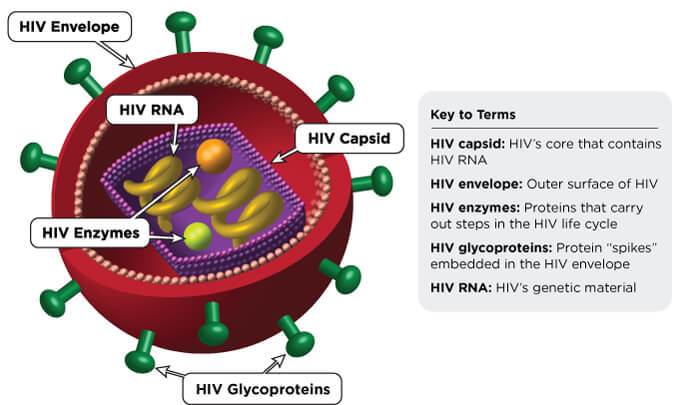
HIV, or Human Immunodeficiency Virus, is spread through certain body fluids and is exactly as it sounds: it is a virus that attacks the immune system. According to the CDC, it particularly attacks the CD4 (T cells), which play a crucial part in coordinating your immune response, as they are responsible for stimulating other immune cells such as macrophages, B cells, etc. The CDC emphasizes that there are three stages to an HIV infection. The first stage is acute HIV infection, which is characterized by flu-like symptoms within 2 to 4 weeks after infection, lasting for a few weeks. People in this stage are very contagious. The second stage is clinical latency (HIV inactivity or dormancy), which is characterized by low levels of reproduction and activity by the virus. Those in this stage are still contagious, but if they take medicine to treat HIV and stay virally suppressed, they have “effectively no risk of transmitting HIV to their HIV-negative sexual partners”. Different people spend different lengths of time within this period, but at the end of it, they move on to stage three: AIDS. AIDS, or Acquired Immunodeficiency Syndrome, is characterized by extremely damaged immune systems that allow for severe opportunistic illnesses. People in this state are very infectious and typically only survive for about three years without treatment. Unfortunately, despite how common, prevalent, dangerous, and long this disease has been around, there still has not been any vaccine that has been successfully made for it. The virus changes too frequently for a vaccine to be made from one strain. However, treatment and preventative medicine has come a long way since when the disease first appeared, and one of such preventive medicines is called prEP.
prEP-aring for HIV Exposure
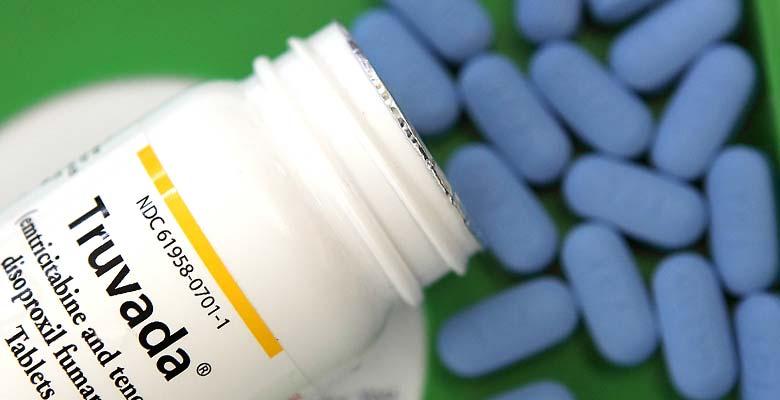
prEP stands for Pre-Exposure Prophylaxis, and it is a daily anti-HIV medication that keeps HIV negative people from being infected. According to the CDC, prEP combines the two HIV medicines tenofovir and emtricitabine, and studies have shown that the combination (when taken daily) reduces the risk of getting HIV from sex by approximately 99%, and for those who inject drugs, approximately 74%. prEP works by preventing HIV from establishing infection inside of the body; specifically, it blocks an enzyme called HIV reverse transcriptase, which prevents HIV from making more copies of itself in the body. It is crucial that the medicine is taken daily or else there will not be enough within the body to counteract that enzyme. If you think about it, it’s honestly an extremely similar concept to birth control pills. We take small doses everyday to have enough of the suppressing agent (for combination pills: estrogen and progestin) in order to have enough circulating regularly within our bloodstream to be able to equip our body with what it needs to combat what we don’t want. You can also say that it is similar in how the people who seek the medicine are people that are at high risk of the consequences regarding what the medicine is for. People seeking birth control are typically those that are sexually active, and will be at risk of pregnancy.The people that seek out prEP are typically those that are not in a mutually monogamous relationship, are gay or bisexual men, are someone who inject drugs, are with an HIV-positive partner, etc, which make them at high risk for HIV.
Current Vaccine Status?
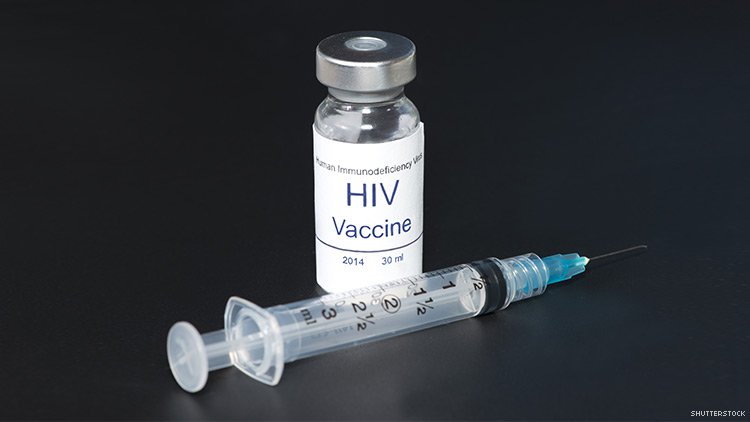
Having prEP is already an amazing feat, however it is still not a vaccine. It’s effectiveness is also inconsistent due to human error, and not everyone has consistent access. Thus, the quest for a vaccine continues, and one such recent preposition is the ‘Mosaic’ HIV vaccine that is soon to be tested in thousands of people across the world. According to Nature: International Journal of Science, this experimental vaccine targets more strains of the virus than any other, and seems to have longer lasting effects. As mentioned before, one of the greatest challenges to creating an HIV vaccine is due to how fast and frequently the virus mutates (or changes). Due to this, a vaccine created from one HIV strain might not even be effective anymore by the time it is finished. The Mosaic HIV vaccine gets its name from attempting to tackle this by incorporating genetic material from HIV strains from around the world, using the mosaic of viral strains to create a vaccine that would target more strains of HIV than any other vaccine that has been developed so far. In addition, the vaccine also includes two synthetic proteins that give the vaccine a “protein boost” that “makes this a truly global vaccine.” So far, smaller trials have shown that the vaccine prompted the production of antibodies amongst other immune responses against HIV, but in September, scientists plan to bring it to a bigger scale, and test the vaccine in thousands of people. Particularly, they will be tested in transgender and gay individuals, as these communities are disproportionately affected by HIV (two thirds of new infections in the United States).
Looking Towards the Future

Although we have some preventative measures already, such as prEP, they still fall short of being long-term reliable protection. In the end, although there is also increasing treatment, there is still no cure, and our current battle with HIV continues. It’s unfortunate that after all these years, with all this new technology we still haven’t found a vaccine yet, but there’s no doubt in my mind that it will happen one day. Some might even bring up the conspiracy that there is already a cure, but the government hides it for economic reasons. Who knows? I guess only time will tell, and hopefully with the Mosaic vaccine and any HIV vaccine research that persists, we will get to the point where HIV can be eliminated from the population.
Check In: Outside of COVID-19
Even though COVID-19 is all we hear about now in the media, and even though it feels like our lives are currently completely centered around COVID-19, there is plenty that is still going on outside of the pandemic. Like the above information depicts, there are still other diseases that are present around us; in fact, HIV/AIDS is also a pandemic, and we have been battling it for many years. It is in times like these however, that we should try to focus more on the good than the bad, such as any progress we’ve made medically towards other diseases (prEP, potential HIV vaccine, etc.). Also, although most things have closed down, politics are still active as ever, including politics not directly relating to COVID-19. The presidential campaigns have still been running, and recently Bernie Sanders had just dropped out of the race. These are just some of the things on a bigger-scale that depict life moving forwards despite the pandemic, but there are also small every day things as well; just the fact that we are all trying our best to adjust to remote life, or, on the flip side, enjoy the once in a lifetime excuse for a break, shows our individual efforts to move forwards and not let the negativity surrounding COVID-19 completely consume us. Finally, one of the few benefits about this pandemic is the environmental effect its having outside of its otherwise destructive path; even though we’re not sure if it will be long-term, the short-term impacts of decreased human activity due to the pandemic has led to a drastic decrease in all forms of pollution. There is plenty that is happening outside of this pandemic, and focusing on such is crucial for us all to combat COVID-19, even if it’s just mentally.


