
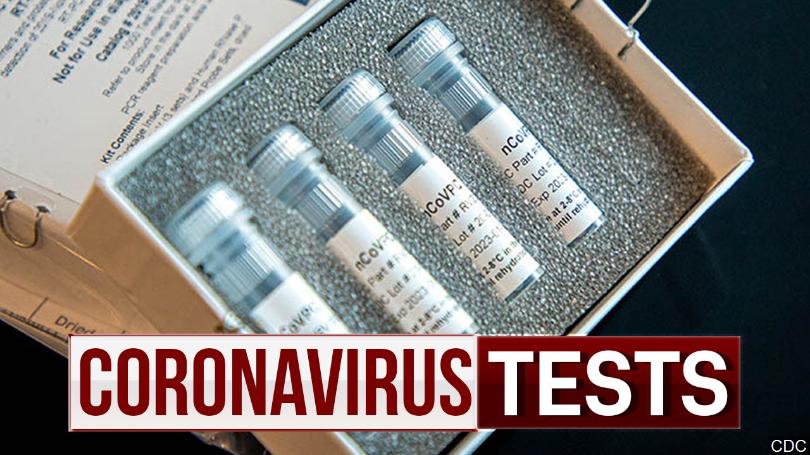
When we think of combating COVID-19, we tend to focus only on the treatment step. However, being able to determine if someone is infected in the first place is the very first step, and the accuracy of this step is crucial for every step that is taken afterwards. To test for COVID-19, there are currently two types of tests being utilized right now: molecular and serological.
Molecular Testing

Of the two tests, molecular testing can be thought of as the “direct way of testing”. According to the WHO, molecular tests were the first type of test for COVID-19 that was used by the WHO and CDC. The way this test works is that it tests for the presence of genetic material from SARS-CoV-2 from a 6-inch nose swab; the genetic material is generally detectable in upper and lower respiratory specimens, so the swab is inserted into the back of the nasal passage through one nostril, rotated several times for 15 seconds, then repeated with the other nostril. According to Good Rx, the specific technique that is used to test for the viral genetic material in a sample is called reverse transcription polymerase chain reaction (RT-PCR); essentially, genetic material forma sample is copied and then compared to the genetic sequence of the virus you’re trying to detect. A positive result from a molecular tests indicates an active COVID-19 infection, but it does not necessarily rule out bacterial infections of co-infections with other viruses (small chance for a false positive). The other test available is called a serological test. However, before we can understand the nature of how a serological test works, we must understand some background on antibodies.
Antibodies Review
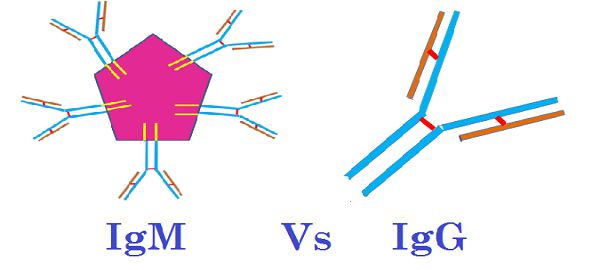
To start off, antibodies are a crucial part of your immune system. According to MBL, antibodies are proteins that are produced and secreted by B cells, and they function by binding to foreign antigens and “flagging” them for other immune system agents to take down. For every one antigen that exists, there is one antibody that your body produces that matches that antigen; an antibody is able to have so many unique forms that match the various antigens in the world because of its shape and the various amino acid sequences that it allows for. There is a variable region at the top ends of the “Y” shape that accounts for the antigen-binding specificity of the antibody, and there is a constant region at the bottom stem of the “Y” that is consistent enough that other components of the immune system can recognize the otherwise diverse antibody molecules, but has slight variations as well in the class of the immunoglobulin; the different classes all have distinct functions and properties of their own.
For the purpose of understanding serological tests, IgM and IgG are particularly important classes. IgM is the first antibody class produced during the primary response that circulates the blood, and then if T helper cells activate naive B cells and determine that it needs to fight off the infection with an IgG class antibody, the activated B cells will undergo something called class switching, where segments of its DNA get deleted, and thus a different class antibody is expressed. IgG is important in that it provides the longest-term protection with its 21 day half-life, and in that it becomes the most abundant serum immunoglobulin while having the ability to not only circulate the blood vessels but also enter tissues.
Serological Testing
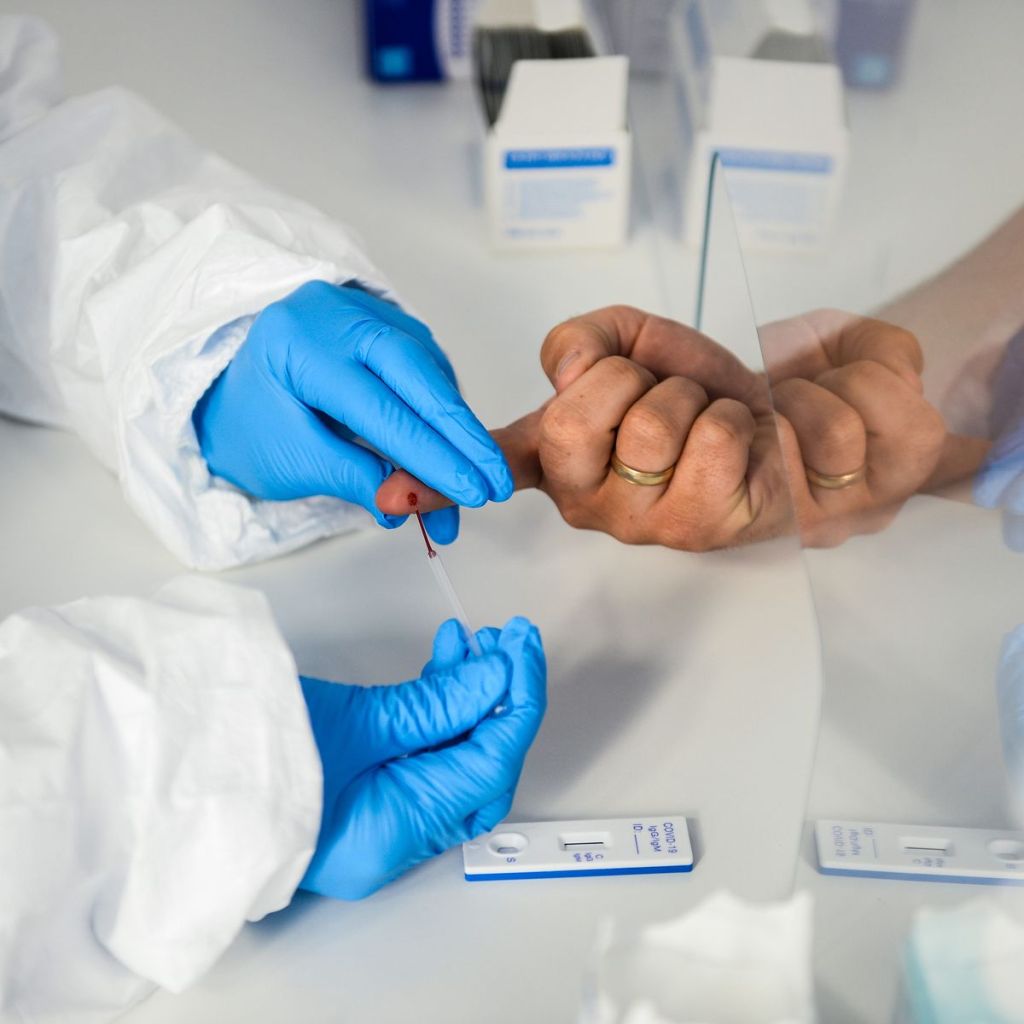
The difference between serological testing and molecular testing is that serological testing identifies those that were infected and have recovered. Serological tests are able to do so by testing for the antibodies in a blood sample. According to Good Rx, the presence of IgM indicates recent exposure to COVID-19, and the presence of IgG indicates later-stage infection. This makes sense, as IgM is the first class produced during the primary response, and it takes class switching to get to IgG. Additionally, because IgG has the longest half-life, if there is only IgG left in the blood, it indicates that it has likely been fighting the infection for much longer than 10 days (the second longest half-life: IgM). Thus, if someone tests IgG positive, they likely have already recovered from the infection by then, and it suggests that they are now immune to the virus. If both are equally in the blood, it is likely an active infection as class switching is just happening for the right immunoglobulins to take over, although the timing would have to be very specific to observe this, and would likely not produce accurate results. Serological tests are typically much faster than molecular tests (10-15 minutes), and they typically use a technique called enzyme-linked immunological assay (ELISA) to detect the presence of antibodies to the virus.
Even though serological tests are much faster, the FDA did not authorize them until recently. Additionally, companies that had begun to sell at-home COVID-19 test kits were forced to stop after the FDA issued a statement saying there were no at-home tests that were currently authorized under FDA policy. Getting access to testing and getting accurate testing are both very important for combating the virus, so it is good that this crucial step is being regulated as much as possible. It is also good news that the Families First Coronavirus Response Act mandates that COVID-19 testing is free whether or not you have insurance; the fact that you won’t have to pay anything out of pocket for medical services related to COVID-19 diagnostic testing is a great step forward from where our unfair medical care system started off with at the start of this pandemic.

 The Magic Struggle Bus