
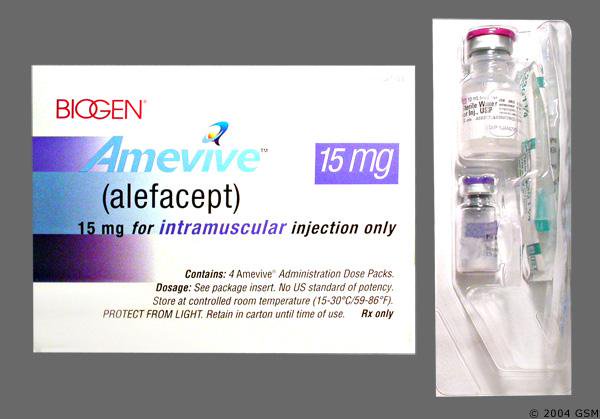
Alefacept is one of the many monoclonal antibodies that have been created; its commercial name is Amevive, and its manufacturer is Astellas Pharma US. Before we delve into Alefacept though, what exactly is a monoclonal antibody? And even before that, what is a regular antibody?
Antibodies and Monoclonal Antibodies
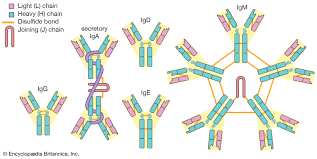
According to medicinenet, An antibody is a protein that is produced as an immune response to antigens, which are toxins or other foreign substances that the body deems harmful. In addition to being naturally made within the body, scientists have wanted to, and have succeeded at, producing them in a lab. These antibodies that are produced in a lab are what we call monoclonal antibodies. They create them by first introducing the human genes that code for producing the target antibody into mice, and then vaccinating the mice with the corresponding antigen for that antibody. This leads to an immune response within the mice where said antibodies are produced and then subsequently able to be harvested.
Alefacept’s Purpose and Functionality

Alefacept is a monoclonal antibody that was made to combat psoriasis, which is a common, chronic, genetic, systemic inflammatory disease. According to the National Psoriasis Foundation, psoriasis is characterized by elevated and itchy plaques of raised red skin covered with thick silvery scales. This kind of sign results from a certain subset of T lymphocytes abnormally producing inflammatory chemicals that cause skin cells to multiply as well as producing changes in small skin blood vessels. To combat this, Alefacept suppresses the immune system, and it does so by attaching to the site on the T-lymphocytes where the antigen attaches, which reduces the stimulation and production of T-lymphocytes; this in turn prevents the antigen from binding and activating the T-lymphocytes. Additionally, Alefacept also increases the activity of natural killer cells that kill T-lymphocytes, which subsequently decreases the life-span of already produced T-lymphocytes.
Potential Risks

Like all medicine, there is a plethora of potential side effects for Alefacept ranging from mild and common to severe and dangerous. medicinenet lists that on the milder side, things to worry about are sore throat, dizziness, cough, nausea, itching, muscle aches, chills, injection site pain, and injection site redness and swelling. On the more severe side, the side effects include a reduction in the number of immune cells, liver failure, serious opportunistic infections, allergic reactions, and cancer. Due to the nature of the drug, where it targets and specifically suppresses the T-lymphocytes of the acquired immune response, such severe side effects directly regarding the immune cells and leading to opportunistic diseases due to immunosuppression is easily expected. Since Alefacept is used in the case where the T-lymphocytes are acting abnormally, its effect on the immune response can be considered positive. However, like everything else in life, there has to be a balance; the multitude of side effects that Alefacept has, particularly the severe ones, show how too much of a good thing can also be harmful.

 The Magic Struggle Bus