What is Salmonella & What are its Signs and Symptoms?
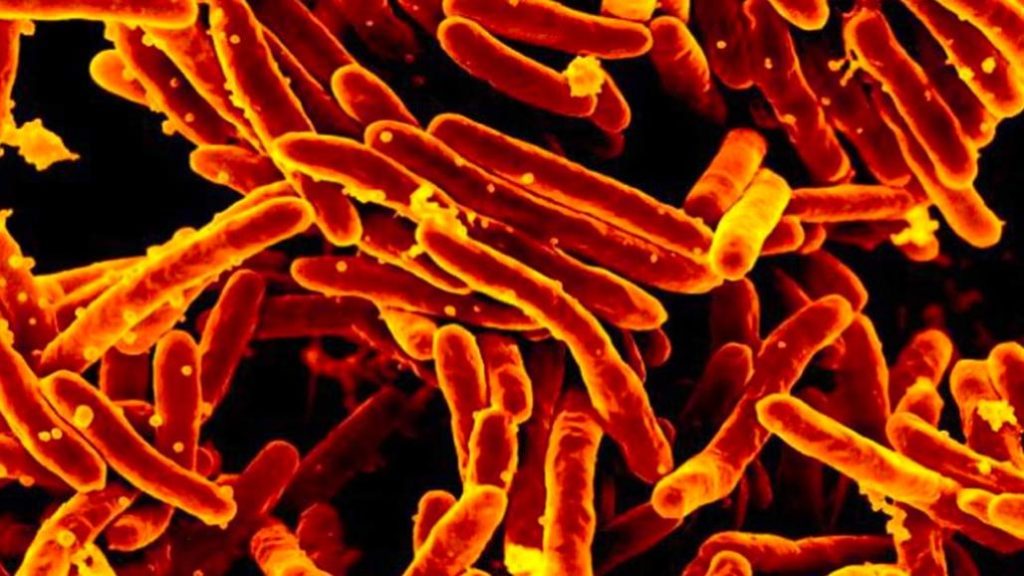
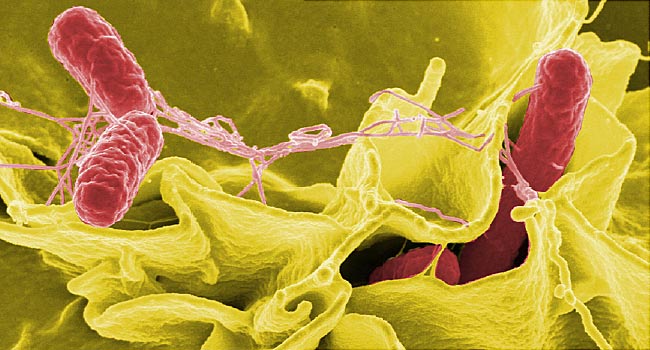
According to the CDC, Salmonella is a pathogenic bacteria that is known to cause illness; specifically, an infection called salmonellosis. Common signs and symptoms of Salmonella infection include diarrhea, fever, and abdominal cramps, which begin to develop between 12 and 72 hours after infection. Under most circumstances, individuals tend to recover without treatment, and the illness typically lasts up to 7 days. However, severe cases do occur, and in those circumstances, signs like diarrhea can escalate to hospitalization; this is most likely due to the Salmonella infection spreading from the intestines to the bloodstream, and then to other body sites. Once Salmonella invades to that extent, it can even lead to death if the infected individual is not promptly treated with antibiotics.
Outbreak From Backyard Poultry

Now, even though under normal circumstances Salmonella is not deadly, you would want to avoid any unpleasant experiences you could, and there is still a chance that a severe case could occur. Thus, almost everyone knows some common Salmonella infection prevention measures, such as making sure to not let vegetables and meats share surfaces without thorough cleaning, and particularly cooking chicken all the way through. Why chicken? Well, poultry is particularly known to carry Salmonella germs. In fact, a recent Salmonella outbreak stemmed from “backyard poultry”, which is exactly as it sounds: chicks, ducklings, etc. that people raise in their own backyard. According to the CDC, the last (and final) update on the recent Salmonella outbreak was on October 22nd, 2019, and at that point, a total of 1,134 people infected with the outbreak strains of Salmonella had been reported from 49 states. Of 740 people with hospitalization information available, 219 (30%) had been hospitalized. Two deaths have also been reported, with one from Texas and one from Ohio. The outbreak was tied to contact with backyard poultry, as evidence collected from interviews found that 392 (63%) of 619 ill people reported contact with chicks or ducklings. People also reported that they got chicks and ducklings from several sources, including agricultural stores, websites, and hatcheries. Six of the outbreak strains making people sick had been identified in samples collected from backyard poultry environments at people’s homes in California, Minnesota, and Ohio and from poultry environments at retail stores in Michigan and Oregon.
Hedgehogs too?

What we’re used to hearing is that people can get Salmonella from chicken (and other poultry), but other animals can carry Salmonella too. In fact, Another recent Salmonella outbreak stemmed from hedgehogs! Luckily the investigation is over, and the outbreak has been deemed contained since October 2, 2019. According to the CDC, this outbreak stemmed from the strain of Salmonella Typhimurium that can be present in hedgehogs. Although, despite the fact that there had been a decrease in the number of reported new illnesses, people had to continue to be cautious as hedgehogs could have still been infected with Salmonella even if they looked healthy and clean. In this incident, there was a total of 54 people infected with the outbreak strain of Salmonella Typhimurium, and they were reported from 23 states. 8 people were hospitalized, but luckily there were no deaths. The outbreak had been tied to contact with pet hedgehogs, as evidence from interviews found that 31 (84%) of 37 ill people reported contact with a hedgehog.
Reflection
Even though Salmonella is a commonly known bacteria, you never really think that you would catch it. This is reasonably justified, as most people know to practice the right precautions to avoid cross contamination when handling food, and a majority of the population does not interact with live poultry. What was surprising to hear though, was that something so common, and something that even if encountered, we would consider it a minor issue, can actually be fatal. Also, who knew that other animals could also carry Salmonella? You really think you have a good grasp on something, and then you learn something new about the topic. If anything, this should encourage precautionary measures towards everything that we interact with. Sounds a little like a germaphobe, but honestly I’d rather be safe than sorry.