Blog Feed

It’s a Bird, It’s a Plane, It’s Superbug!

Photo by HealthBeat

Getting to Know the New “Hero” in Town

According to Medical News Today, the term “superbug” has a bit of controversy surrounding it. Traditionally, it only referred to drug-resistant bacteria, but after several studies, experiments, and observations over the years, the term “superbug” is now defined more generally as microbes that are resistant to some of the most powerful modern drugs. This slight change was made to include not only drug-resistant bacterium, but also newly discovered drug-resistant fungi, parasites, and even viruses. In other words, superbug actually consists of an intricate team of “superheroes” rather than just one sole fighter! What does this exactly mean for us though? Unfortunately, the truth is that superbugs are not here to save the day . . . they’re villains in disguise. To put it simply, the state of our public health is very much at risk. According to the WHO, “drug-resistant infections could cause 10 million deaths a year – more lethal than cancer – by 2050 is no action is taken”, and in our current state where there are more superbugs, fewer treatment options, and few people who know how to treat them, such a future seems dangerously likely. 

The Hero Whose Betrayal is Hard to Stomach: Escherichia coli (mcr-1 gene)
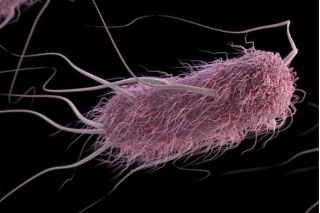
Photo by LiveScience

Escherichia coli, or E. coli, is a very familiar and well known bacteria to many. Such is due to the fact that it is a microbe that typically lives harmlessly in the intestines of healthy individuals, but is infamously known to easily leave a painful impact if it’s taken out of its favorite environment. The most common issue related to E. coli relocation is when it travels to the urethra and it causes a Urinary Tract Infection, with symptoms such as pain when urinating, the presence of blood in urine, a persistent urge to urinate, etc. As painful of an experience it is though, it is relatively common, and is usually easily solved with antibiotics. However, according to the CDC, E.coli bacteria that had a certain gene called mcr-1 was reported in China in November 2015. This gene makes bacteria resistant to colistin, which is an old antibiotic that is used for some multi-drug resistant infections as a last resort. Colistin is used as a last resort due to its plethora of side effects, however an increase of drug resistant bacteria, including E.coli, has forced desperate measures to be taken. We have to be on high alert, since a bacteria gene that can counter even our last resort will be catastrophic if its colistin resistance spreads to other multi-drug resistant bacteria. If no solutions can be found, there will be an alarming increase in “truly untreatable infections”.

The Hero Whose Betrayal is Another Hard Pill to Swallow: Clostridium difficile  (clade A)

Photo by MinnPost

Clostridium difficile, or C. difficile, is also bacteria that resides within our gut. However, according to Medical News Today, when there is an imbalance of bacteria in our gut, it allows C. difficile to multiply and cause an infection that is initially characterized by mild diarrhea. The infection can then lead to more serious signs and symptoms such as pseudomembranous colitis, which is a potentially fatal inflammation of the colon. Typically, C. difficile infections are also treated with antibiotics, but according to NYPost, a specific group called C. difficile Clad A is “currently forming a new species” that is resistant to antibiotics and disinfectants. It is particularly hard to combat in a hospital setting as it is a bacteria that craves sweets and carbs, which is readily available in the form of pudding cups and instant mashed potatoes that “define hospital dining”. For a bacteria that is known to most commonly affect older adults in hospitals or long-term care facilities, its affinity to grow in such an environment, especially with its increasing antibiotic resistance, is also eliciting growing concern for the future of combating infectious diseases.

The Future of “Health City” is in Bad Hands
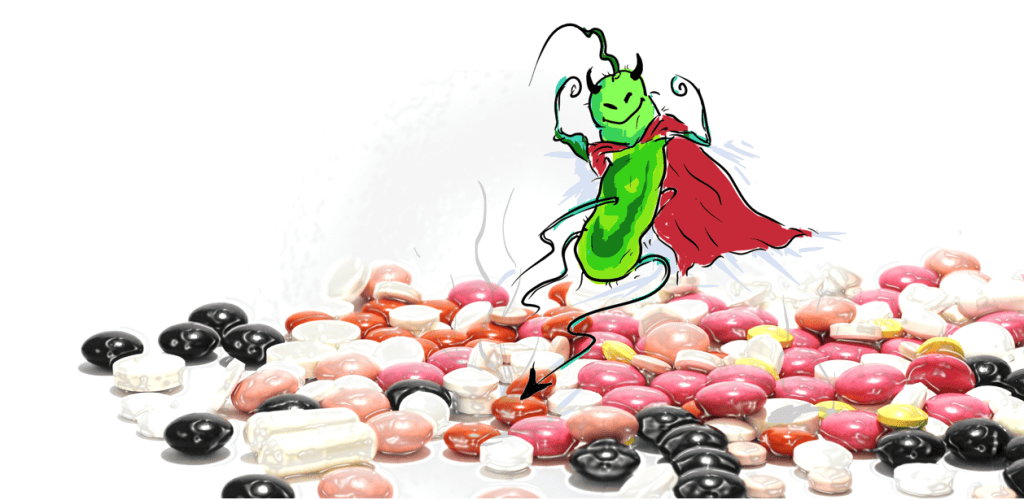
Photo by SITN

It’s one thing to hear that a bacteria is becoming resistant to its dedicated antibiotic, but it’s another (way more shocking) thing to hear that a bacteria is becoming resistant to an antibiotic used as a last resort. A last resort is . . . a last resort. It’s something we avoid but turn to only in the worst possible circumstances and we have no choice. What happens when the circumstances are EVEN worse than the worst possible circumstances that we were prepared for? It’s terrifying to think of that, but it’s literally becoming our reality. The fact that a lot of the resistant superbugs were ones that we’ve learned about in class makes it even more unsettling.
Human Papill “n”o mavirus

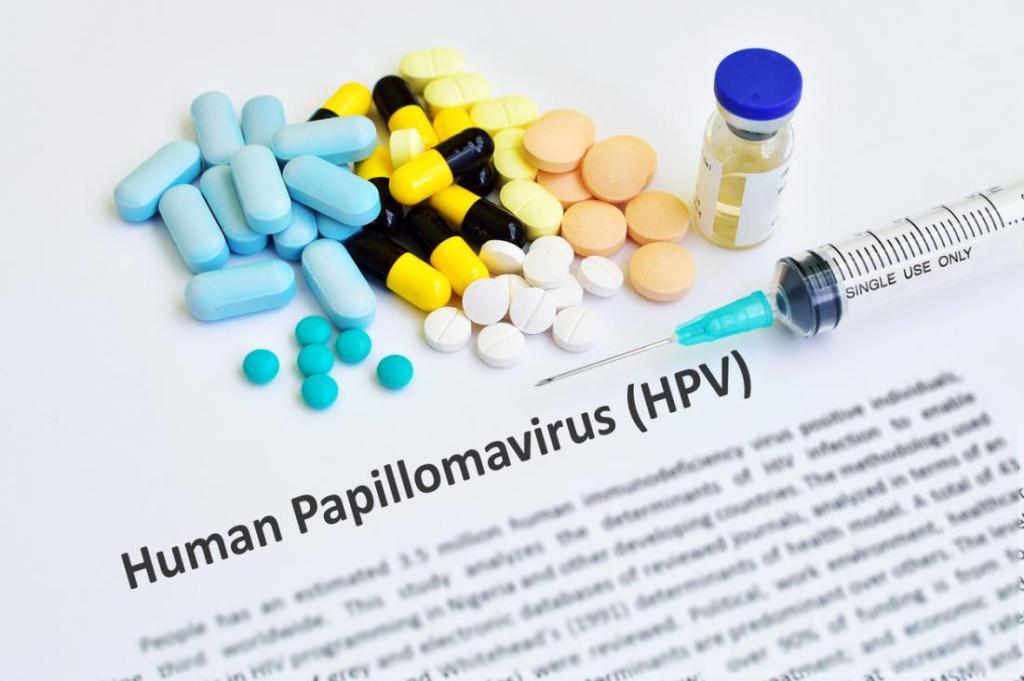
Photo by abc News

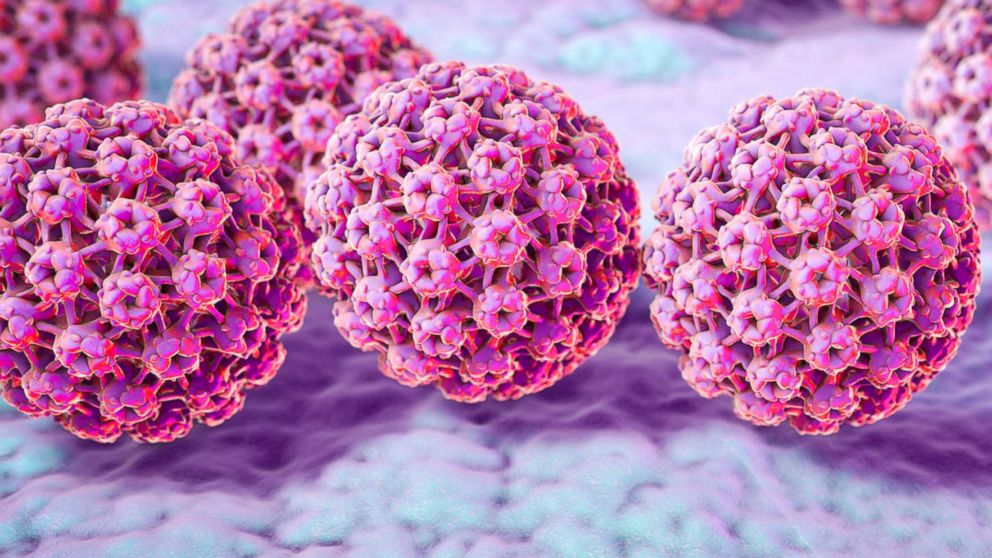
What is HPV?

HPV, or human papillomavirus, is a small, non-enveloped DNA virus that infects skin or mucosal cells (WHO). According to the CDC, HPV infections are the most common sexually transmitted infections in the United States, and perhaps that is due to the fact that there are more than 100 varieties of HPV (Mayo Clinic). Although surprisingly, despite the many strains of HPV, only some cause health complications. In fact, most HPV infections are defeated by your body’s immune system, and HPV will go away on its own. However, in the cases that HPV does not go away naturally, it can cause its most well known symptoms which are genital, common, plantar, and flat warts, and lead to cervical cancer in women. Some HPV infections can also cause other cancers and lesions on the tongue, tonsils, soft palate, or within the larynx and nose. 

Is There Treatment?

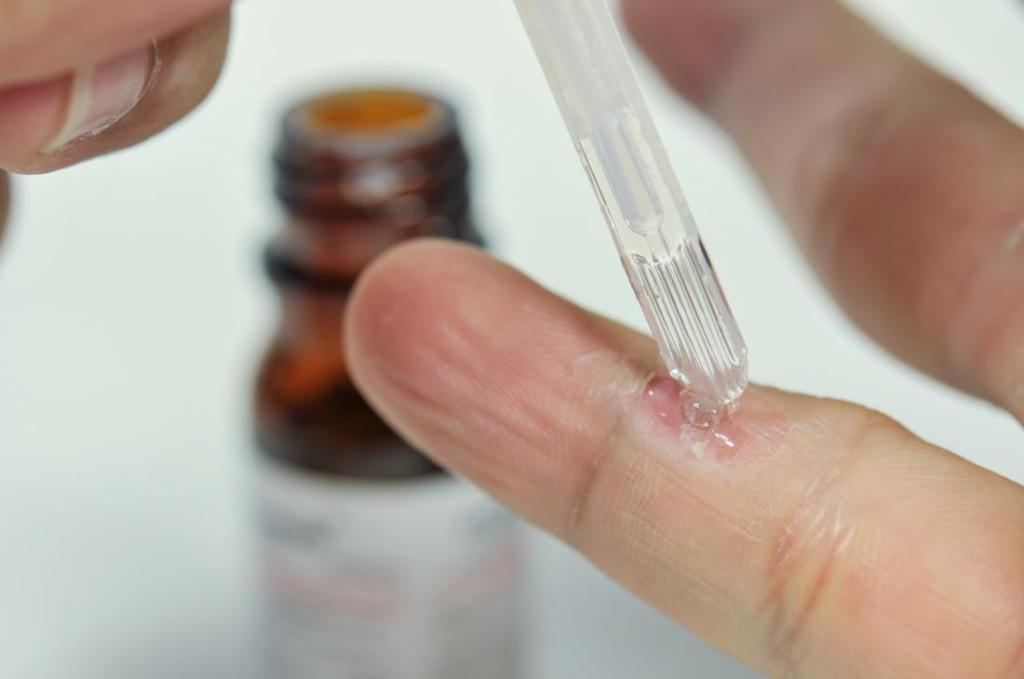
Once you have contracted a symptomatic type of HPV, there are a few things you can do in terms of “treatment”. According to the Mayo Clinic, there are some over the counter and prescription medications that may be given to eliminate warts, but it usually takes many applications before it is successful. For these medications, they are typically topical creams/ointments/chemicals that are directly applied to the lesion. When such medications don’t work or are not easily administered, other options include cryotherapy (freezing with liquid nitrogen), electrocautery (burning with electrical current), surgical removal, or laser surgery. In the specific case of HPV being found in/near the cervix, threats of precancerous lesions are even more important and urgent to remove. Cryosurgery, laser surgery, and surgical removal are still offered, but new methods are introduced: electrosurgical excision procedure (LEEP) and cold knife conization. LEEP removes a thin layer of a section of the cervix with a thin looped wire that is charged with electric current, and cold knife conization is a specific surgical procedure that removes a cone-shaped piece of the cervix. 

Prevention is Key

Ultimately however, there is no cure for the virus, so even if warts go away or are treated, they can reappear in the same or different place. That is why the best way to combat HPV is with prevention (prevention over treatment!), and according to the CDC, the best method of prevention is vaccination. According to HPV Vaccine, the newest HPV vaccine is called Gardasil 9, and over 10 million doses have been given in the US in the past year. During its clinical trials period, the studies involved more than 4,000 males aged 16 to 26 years from 18 countries, and results showed that the vaccine was 90% effective against HPV types 6, 11, 16 and 18 that cause genital warts and penile lesions, and 78% effective against HPV types 6, 11, 16 and 18 that cause anal lesions in men. Additionally, the original trails of Gardasil showed that the vaccine is almost 100% effective in preventing abnormalities in cells in the cervix caused by cancer-causing HPV types 16 and 18, and the clinical trials of Gardasil 9 demonstrated that this vaccine is also almost 100% effective at preventing these cell abnormalities in the cervix caused by cancer-causing HPV types 31, 33, 45, 52 and 58. Although, it is important to clarify that the trials did not seek to prove that the HPV vaccine prevents cervical cancer, as it would not have been ethical to allow cervical cancer to develop in the control group. Instead, the clinical trials of Gardasil 9 aimed to compare the body’s immune response to the vaccine between younger and older girls, and younger and older boys. Results from these studies determined that the younger girls and boys who received the vaccine in these studies experienced no increased adverse reactions to the vaccine compared to older girls and boys, and created more antibodies in response to the vaccine than older girls and boys. 

Let’s Talk Tetanus

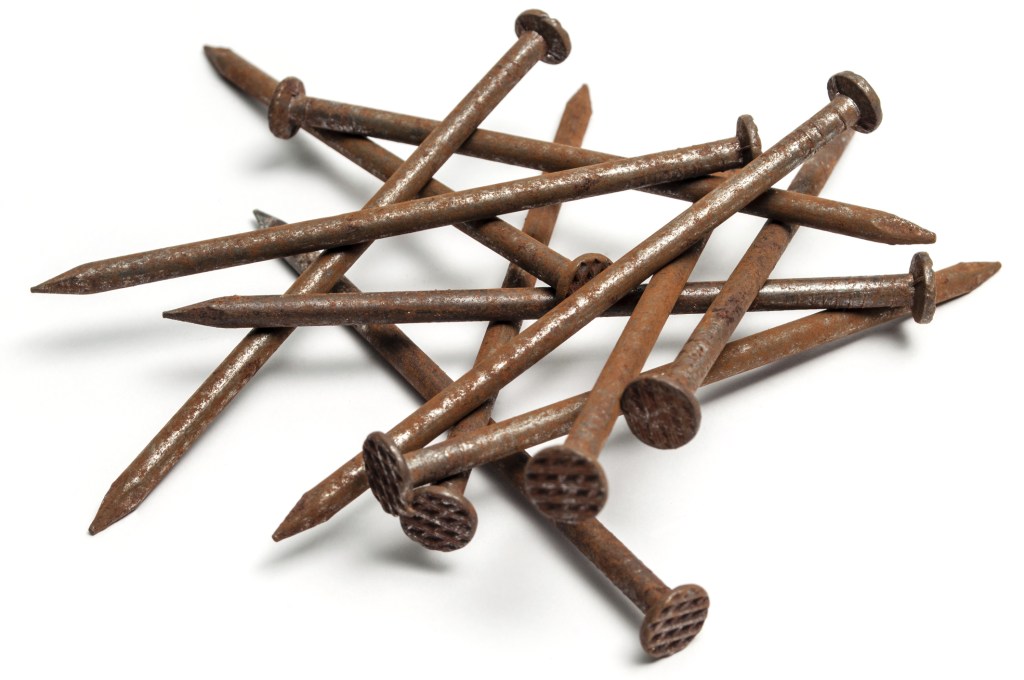
Photo from Cleveland Clinic

What is Tetanus? 

According to the World Health Organization, Tetanus is a rare but extremely severe disease. It gets its name from the bacteria that causes the disease, Clostridium tetani, which is a gram-negative, obligate anaerobic bacteria. Due to it being an obligate anaerobe, it lives in soil, saliva, dust, and manure, and it makes endospores to further survive in such environments. Fun fact, the legend of stepping on a rusty nail and getting Tetanus from it is partially true; however, the linkage of rusty nail and Tetanus is not due to rust, but the fact that a rusty nail has most likely been in soil for a long time, and would thus have been exposed to Clostridium tetani endospores. These endospores can then transfer from its reservoir to the nail, and then from that nail into your body system through wherever it may have penetrated. Once Clostridium tetani enters the body, it establishes an infection and releases toxins such as tetanospasmin that can lead to painful muscle contractions, particularly in the jaw and neck muscles; this particular symptom gives the disease its second name: Lockjaw. 

More Tetanus 

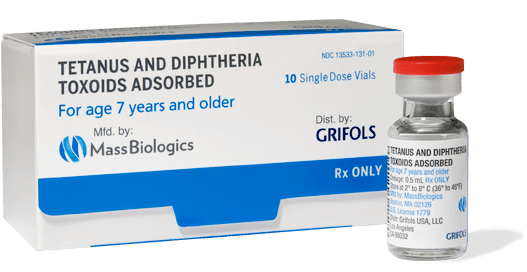
Photo by PBS

According to AAP Publications, many severe symptoms of Tetanus are attributed to its various virulence factors (such as neurotoxins) that target and affect the nerves that control your muscles. For example, looking at the Lockjaw symptoms, people at late stages can die due to the general muscle stiffness affecting their ability to swallow. They can also die due to breathing problems caused by spasms of the vocal cords, which can then lead to brain damage due to the lack of oxygen. The spasms and convulsions can also affect other parts of the body, and lead to bone fractures that may include the spine. Other associated symptoms include fever, sweating, high blood pressure, seizures, etc. 

Prevention and Treatment

Clearly, Tetanus is a painful experience that we would all like to avoid. To do so, the best way to prevent getting Tetanus is to get vaccinated. As the saying goes, “Prevention is better than Treatment”. According to Vaccines.gov, There are 4 vaccines available that include protection against Tetanus. There is the DTaP Vaccine that protects young children from diptheria, tetanus, and whooping cough; the DT vaccine that protects young children from diphtheria and tetanus; the Tdap vaccine that protects preteens, teens, and adults from tetanus, diphtheria, and whooping cough; and the Td vaccine that protects preteens, teens, and adults from tetanus and diphtheria. The nature of the Tetanus vaccine is that it is a toxoid vaccine; toxoid vaccines use toxins made by the disease causing pathogen to create immunity to the particular disease causing agent rather than the germ itself.

Push Out Polio

Photo by European Pharmaceutical Review

What is Polio?

According to End Polio, Polio is a contagious viral disease that can lead to severe nerve injury and result in paralysis or even death. Although, despite having such dangerous potential, the majority of people who are infected with the virus don’t get sick and may not even be aware that they have been infected. For that kind of non-paralytic polio, people tend to just develop mild flu-like symptoms typical of other viral illnesses, such as fever, sore throat, headache, fatigue, muscle soreness, etc. For those that happen to get the rare but serious form of the disease, paralytic polio, they first get signs similar to non-paralytic polio (headache, fever, etc.), until a week later when the more severe symptoms start appearing. Such symptoms include loss of reflexes or loose and floppy limbs, and then after the disease itself, there is a post-polio syndrome that includes a cluster of disabling signs and symptoms that include muscle atrophy, sleep-related breathing disorders, decreased tolerance of cold temperatures, breathing or swallowing problems, etc.

Countering Polio

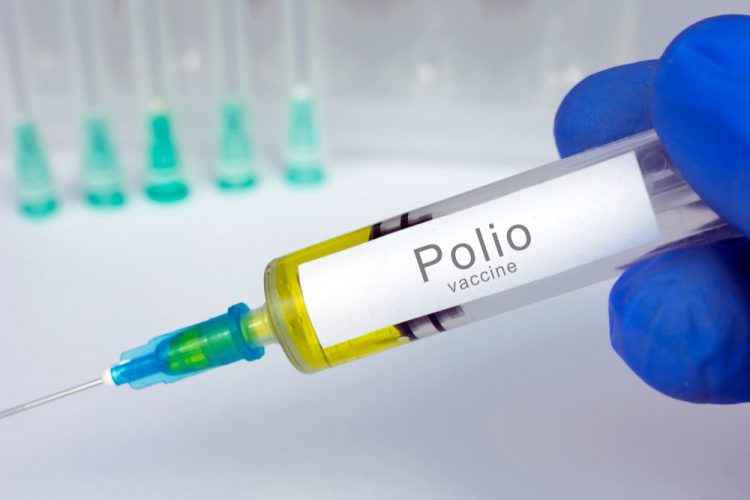
Photo by Focus 1000

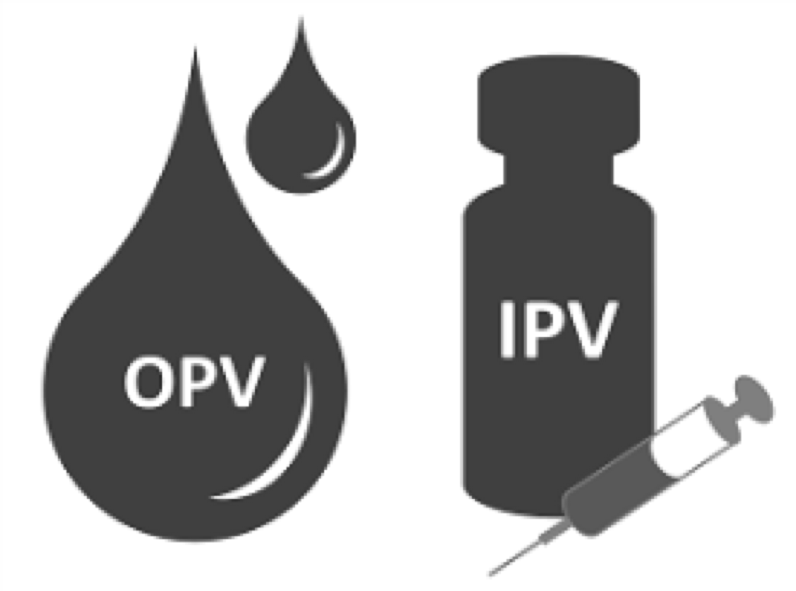
To combat Polio, there is a vaccine that was made. According to Kids Health, IPV, or inactivated poliovirus vaccine, is usually given at ages 2 months, 4 months, 6-18 months, and 4-6 years. There is also OPV, or oral poliovirus vaccine, that is still used in other parts of the world, but the United States has stuck with IPV since 2000. Due to the severe symptoms and prominence of the disease, major efforts were taken to completely eradicate Polio, particularly the Global Polio Eradication Initiative, which has reduced polio cases by 99.9% since the first project to vaccinate children in the Philippines in 1979. According to Stat News, three years ago, further progress was made towards the goal of eradicating Polio; a newer version of the vaccine where a problematic component in developing countries was phased out came out and was introduced.

Campaign News

Originally, the idea of an effort to rid the world of polio came from the Rotary movement. According to Rotary, they are a global network of 1.2 million “neighbors, friends, leaders, and problem-solvers who see a world where people unite and take action to create lasting change,” with said change referring to the prevalence of polio in the world. A lot of progress has been made, and StatNews particularly brings up a recent milestone in the campaign to end Polio. Apparently, a global commision is expected to announce that type 3 poliovirus has been eradicated, which will only leave type 1 poliovirus remaining to combat. Polio is still far from being completely eradicated, but with one step at a time, we get closer and closer to the grand goal. 

Another Peek(achu) at the Anti-Vaccination Movement

This image has an empty alt attribute; its file name is pikachu-meme.jpg
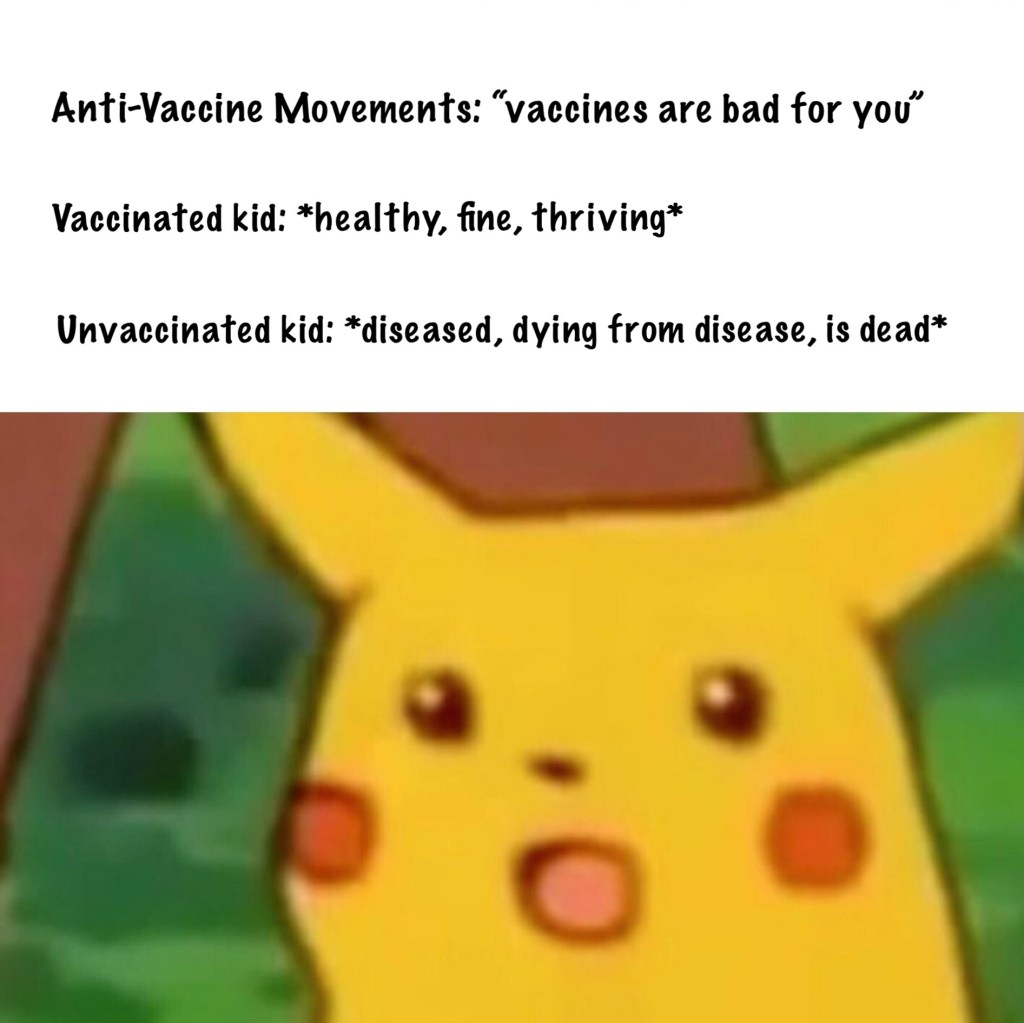
Photo by ImgFlip, meme content by Annie Zhang

As many people know, whether deeply invested or casually aware, there has been a prevalent anti-vaccination movement that is threatening the public health. What a lot of people don’t know, is that this isn’t the first active opposition against vaccines. 

History of Vaccine Development and Opposition

According to Very Well Health, even before the first vaccine was created, a method called variolation  was the first form of vaccination for smallpox. The idea was that by inhaling dried smallpox scabs (which sounds absolutely disgusting) or having smallpox inserted under the skin, it will allow the individual to contract a mild form of the disease for the body to build immunity. When Lady Mary Wortley Montagu introduced this method of inoculation to England from Turkey, she strongly promoted the method as a key means to protect children against smallpox. Many pro-inoculators gathered by her side, advocating with facts and reason in relation to scientific progress, but similar to today, the pro-inoculators faced a lot of opposition from anti-inoculators that instilled paranoia with fear and heated conspiracy. 

Very well health also conveys how since the 18th century, negative sentiments against vaccines only grew and altered to fit the main conspiracy of the times. Anti-vaccination leagues were formed in response to the compulsory nature of government vaccine enforcement; misconceptions that “vaccines don’t work”, “vaccines make you sick”, “there are poisons and toxins in vaccines”, “blame big pharma”, “vaccines cause autism”, etc. became the foundation of many different era’s anti-vaccination propaganda, with some persisting or pertaining to today. In addition to the temptation to give into emotionally compelling paranoia, perhaps another reason for the endurance of the opposing side is people’s tendency to believe whatever information is most easily accessible. A lot of the conspiracies that have been brought up, such as “vaccines cause autism”, should have easily been disregarded if people looked into the research paper themselves, or have even tried to read up on what other people have analyzed and discovered about the study (how it was biased, poorly set up, the data was inaccurately reported, etc.). However, once people are committed to an idea, they tend to avoid looking at the topic from the other side, and when headlines meant to instill fear are the ones that catch people’s attention first, it makes the truth that much harder to reach for the group of people. Not only in the case of vaccines, but for any sort of news, shock can override critical thinking, subsequently letting the first thing people see be the truth that they believe in.       

Image result for anti-vaxxer memes
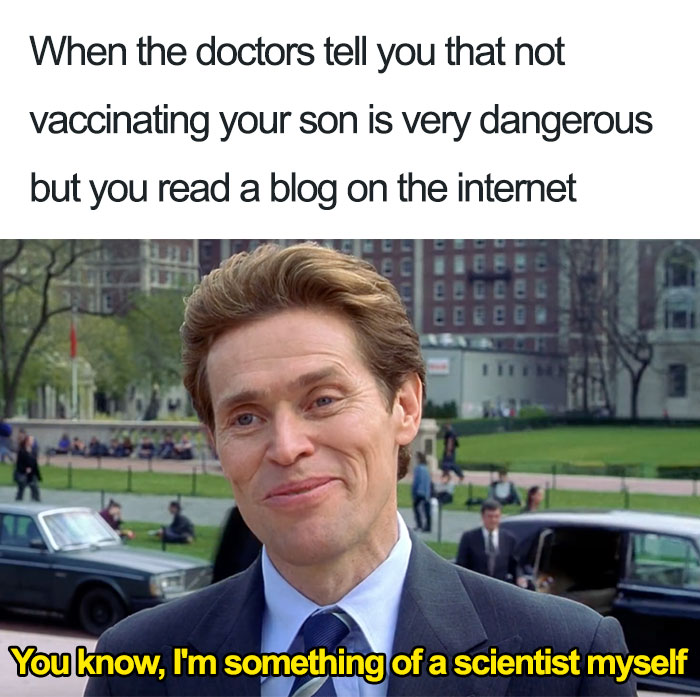
Photo/meme by Bored Panda

Facebook Takes a Stance

In the face of today’s anti-vaccination movement, one surprising advocate, Facebook, has taken a surprisingly active part in combating the root of a lot of the paranoia: misinformation. It comes at a crucial time too, as according to News Medical, The World Health Organization states that “vaccine misinformation is a major threat to global health (top 10 major threats to public health in 2019) that could reverse decades of progress made in tackling preventable diseases”. Facebook’s approach to the situation is to provide a level of quality control on their social media platform, “one of the largest platforms in today’s world”. Facebook makes sure that when anyone searches for vaccine safety, they are directed to pages of credible/reliable sources, such as The World Health Organization or the United States Center for Disease Control and Prevention. In addition, if vaccine hoaxes recognized by the WHO and CDC show up on the platform, the group or page would be excluded from recommendations, their prevalence in News Feed and search would be reduced, and ads with the misinformation would be rejected as well. Implementing this system was a very intentional process conducted after several discussions over several months, and there are hopes for other social media collaborations over time. If every, or even a majority of, social media platforms can participate in this active movement, the effect would be incredible. Today’s world is so heavily reliant and immersed in social media, particularly amongst the impressionable youth, and they are the ones who will make up the main actionable population in the future. Thus, using the platforms that best connect with them in their generation will also have the greatest effect in reaching out.   

Image result for facebook against anti vaccines
Photo by PC

Giving a Different Meaning to “Trust in Your Gut”

Your gut does more than just tell you something is a bad idea. 

Photo of Nick Joseph by Know Your Meme

A bigger role it plays is in how certain microscopic residents within it determine your overall health: including your weight. 

According to AAAS, every individual has something called the human microbiome, which consists of a community of microorganisms, called normal microbiota, that routinely grow on or within a healthy individual. Each person’s microbiome is unique, as different factors starting from birth to the different environment they grow up in affect the composition of the microbiome. Despite that, there are also some general similarities; in our guts, there are several microbiota that aid in multiple ways, including assisting in digestion and producing beneficial substances, such as vitamin K, for the body. Seeing the significant roles our gut bacteria had in our gastrointestinal system, a connection between the composition of our gut microbiome and obesity was hypothesized and tested.

The Connections Found Between Gut Microbes and Obesity

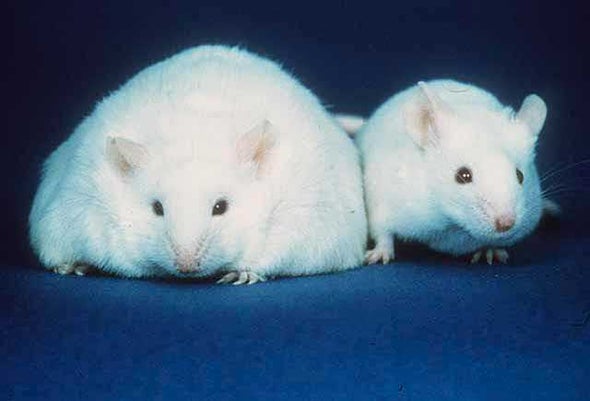
Photo of obese and lean mice by Scientific American

According to Springer Link, it was mentioned that one of the first tests that marked the beginning of research connecting gut microbiota and obesity was one that compared body fat between conventionally raised mice and germ-free mice. In the study, it was found that there was more body fat in the conventionally raised mice despite their slightly higher caloric diet, which suggests that the composition of one’s microbiome must play a significant enough role in determining what and how nutrients are processed and stored, which subsequently leads to how weight is retained and if obesity can be developed. Building off of that, another study followed after with observing different microbiomes in three different groups of mice; genetically obese, lean, and wild-type siblings (individuals in natural conditions); that followed the same polysaccharide-rich diet. Comparing the total body fat and microbiome composition across the three groups, it was discovered that a relative decrease in Bacteroidetes and an increase in Firmicutes was a characteristic of obesity. In order to further define a clear relationship between gut microbiome and obesity, the potential effect that genetic modification might have was addressed. Taking samples of lean and obese microbiome, each were separately transplanted into germ-free recipients, and total body fat was again observed and compared between the groups. As hypothesized, there was a “significantly greater increase in total body fat in mice colonized by obese microbiota than lean microbiota”. Since these monumental studies, several more have been made by the science community to further establish the discovery, consider exceptions, and even develop solutions to obesity using what these studies have suggested.  

Probiotics as an Option to Combat Obesity

Image result for probiotics
Photo of typical probiotics by Her World

One such solution to Obesity that has been developed and explored is the use of probiotics, which, defined by MedicineNet, are “live microorganisms (usually bacteria) that are similar to beneficial microorganisms found in the human gut that are taken as dietary supplements or found in foods”. MedicineNet also makes note that the International Scientific Association for Probiotics and Prebiotics (ISAPP) further specifies probiotics as “live organisms that, where administered inadequate amounts, confer a health benefit on the host”. 

Which makes sense.

Now, if we analyzed the line of thought that led to the probiotic solution, it feels like it was the most obvious conclusion to reach. Particularly in the case of obesity, it was the first time that a connection was explored between intestinal microbiota and overall health. Then, several studies later, not only was it discovered that indeed, a lean microbiome was different from an obese microbiome, it was also established that manually altering the microbiome led to changes in overall health: positively, transplanting microbiota from a lean microbiome into germ-free mice led to lean mice. Sivamaruthi et al. study was one of the many that started to piece together a probiotic solution built off of the discoveries made on the relationship between gut microbiota and obesity. According to Hindawi, Sivamaruthi et al. notes a study conducted where the experimental group was fed a calorie restricted diet supplemented with cheese containing probiotic (Lactobacillus plantarum) and the control group was fed a calorie restricted diet supplemented with control cheese. The results from that study showed that after three weeks, there was significantly reduced body mass index and hypertension in the experimental group than the control group, and thus suggested that the health improvement could be attributed to the probiotic cheese in the experimental group. With this and several other successful experiments pointing towards a significant impact probiotics had in combating obesity (amongst a multitude of other health benefits), the practice of seeking out foods or taking supplements containing those same “good bacteria” grew in popularity. Also due to the fact that what you are putting into your body is something that can be found naturally within an individual, it took out the fear of artificiality that a lot of medications or procedures give to people.

Big Picture

In the long run, this field of study feels extremely promising. For the time being, the concept of using something so natural to your body to cure or alleviate certain ailments seems like it can avoid some of the controversy that surrounds most western medicine. For the future, I don’t doubt that experiments exploring the idea of genetically modified gut microbiota will come up and branch into its own thing. However the direction this field goes, I look forward to hearing about the never ending discoveries for many years to come.

Ongoing Series: 2019 nCoV

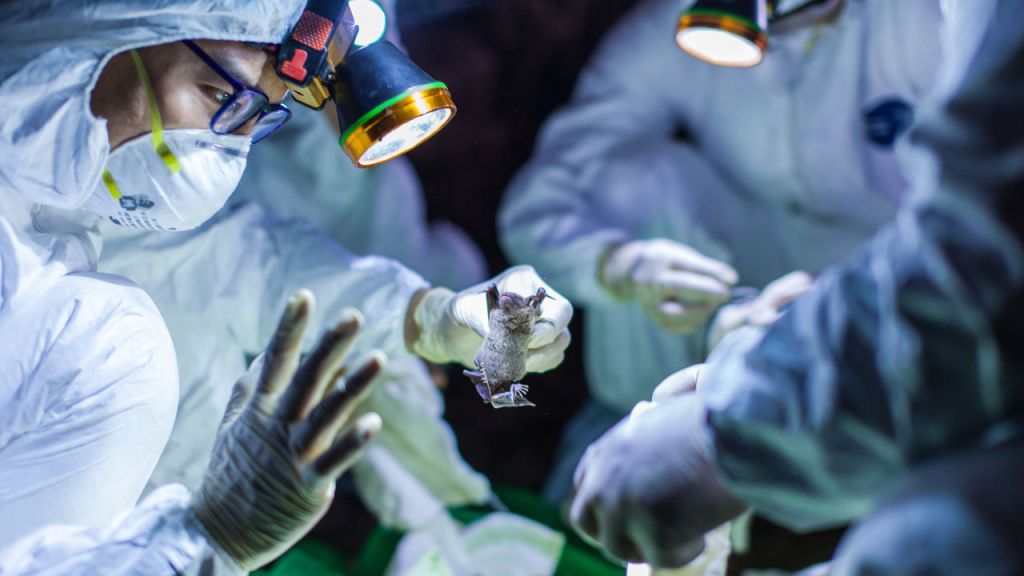
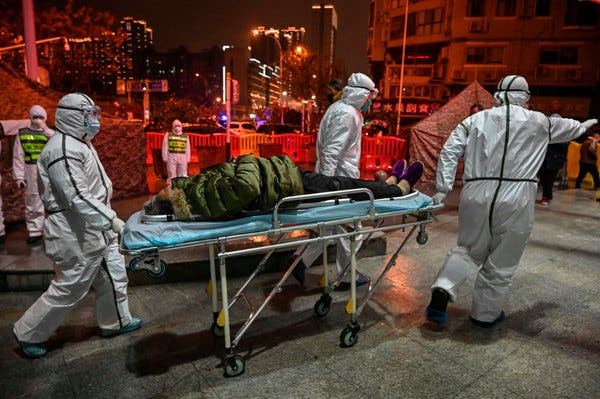
Photo by Science Mag

The 2019 novel coronavirus continues to spread and is now borderline a pandemic. Majority of of the damage is in China, but according to The Lancet, cases of 2019 nCoV infection have also been reported in 24 countries. The only thing keeping it from being a true pandemic is the fact that it is dependent on 2019 nCoV’s ability to become established once it reaches new territory, and so far there has been little human-to-human transmission outside of China. First appearing around December, the battle against coronavirus seems far from being over. Thus, it is as crucial as ever to stay educated on not only the news and updates, but the nature of the virus we are dealing with, itself.

Most Recent Stats

Photo by Futurism

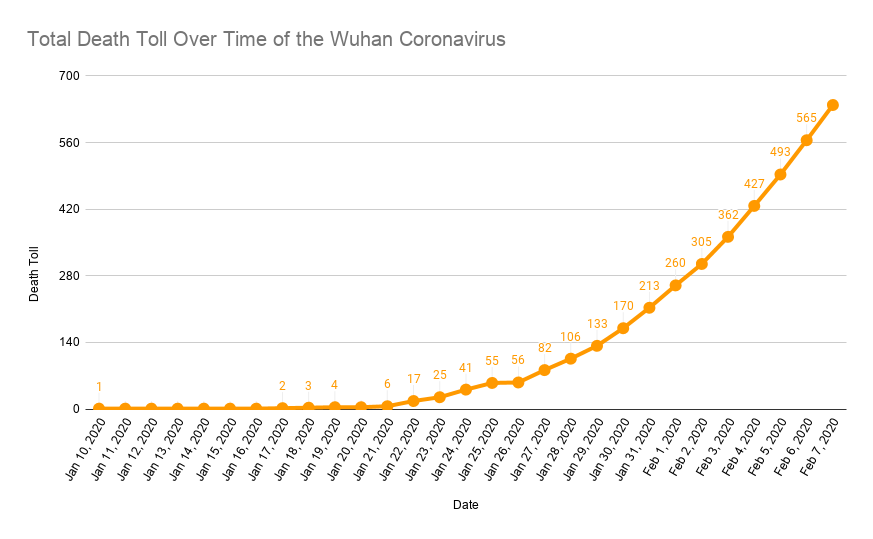
News wise, it is important to know the extent of impact of 2019 nCoV. According to CNN, China’s National Health Commission has confirmed a global case total of 40,710, with 40,171 being from China, and 539 from outside of China. Of those cases, the global death toll has grown to be 910, with 908 being from China, and 2 from outside of China. The numbers keep updating by the hour, but with just these numbers alone it is obvious why the recent coronavirus has been causing fear and paranoia all across the world. When you can’t see such a deadly enemy, nor have any idea to fight against it yet, all you can do is sit, wait, and hope for the best.

What We Know About the Unknown

While we wait though, this is a good chance to better understand what we are dealing with. To start off, there is something called R0. According to Science Direct, “R naught” is the basic reproduction number, which is the average number of people who will catch a disease from one contagious person; if  R0 is less than 1, then the disease will decline and eventually die out (because each existing infection causes less than 1 new infection), if  R0 is equal to 1, the disease will stay alive but remain stable with no outbreak/pandemic, and if  R0 is greater than 1, cases grow exponentially and may lead to an epidemic or pandemic. One important factor about the 2019 nCoV coronavirus is that its R0 is significantly greater than 1. One other important factor about the 2019 nCoV coronavirus is that it has RNA dependent RNA polymerases, and RdRP is known for frequent mutations and recombinations. This results in a “quasispecies diversity” that contributes to adaptive evolution and the capacity for coronavirus to cause disease; this then ties back into the R0 value, as if 2019 nCoV also behaves similarly to SARS-CoV and mutate during the epidemic to adapt to the host, this will increase its R0, and thus lead to a change in virulence.

2019/2020 Flu “B”lues

Photo by cmq Hospital

We’ve all heard of flu season and how we have to be extra careful of catching the flu around a certain time of the year, but the specifics of when that time happens and what the flu actually is, remains an unclear mystery to most people. 

What is the flu?

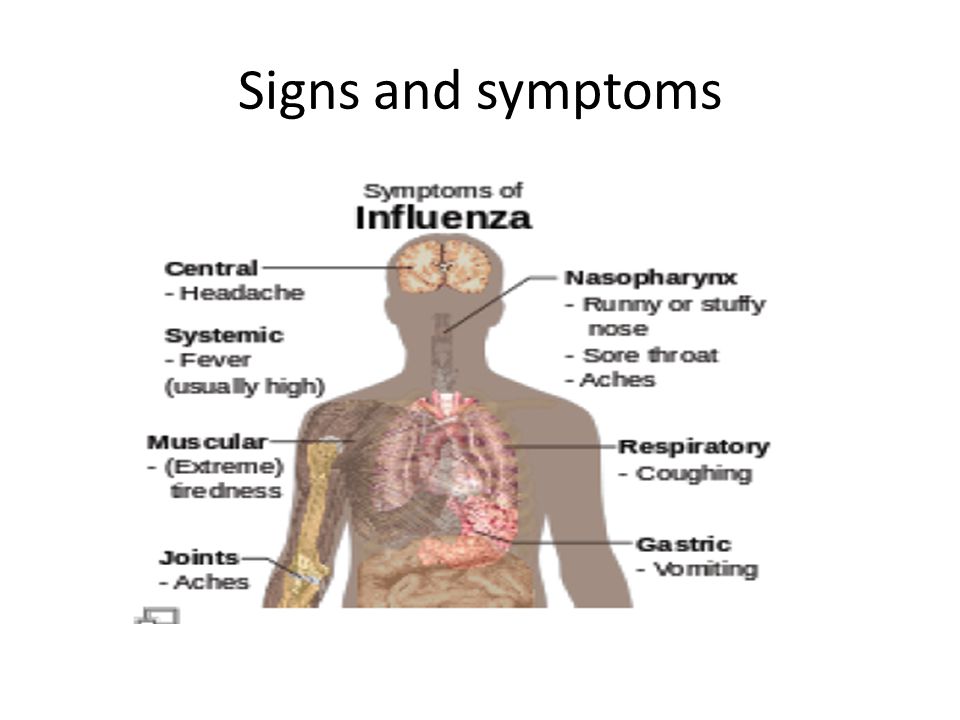
Photo by SlidePlayer

Firstly, what is the flu? According to the CDC, the flu is a contagious respiratory illness that gets its name from the influenza viruses that infect the nose, throat, and sometimes the lungs. The consequences vary greatly, ranging and varying from mild symptoms such as cough, sore throat, runny/stuffy nose, headaches, and fatigue, to things like fever, chills, muscle ache, and vomiting and diarrhea (common in children). In the most severe cases, the flu can also lead to other complications such as bacterial pneumonia, ear infections, sinus infections, the worsening of chronic medical conditions (asthma, diabetes, etc.), or even death. Under normal circumstances, most people’s bodies are able to fight off the illness, and the annual flu vaccine helps to increase the chances of your body fighting off the virus if it ever does encounter it; however, the severe symptoms and complications are still possible, and they tend to appear more frequently amongst those that have either weak or compromised immune systems.  

Flu Season

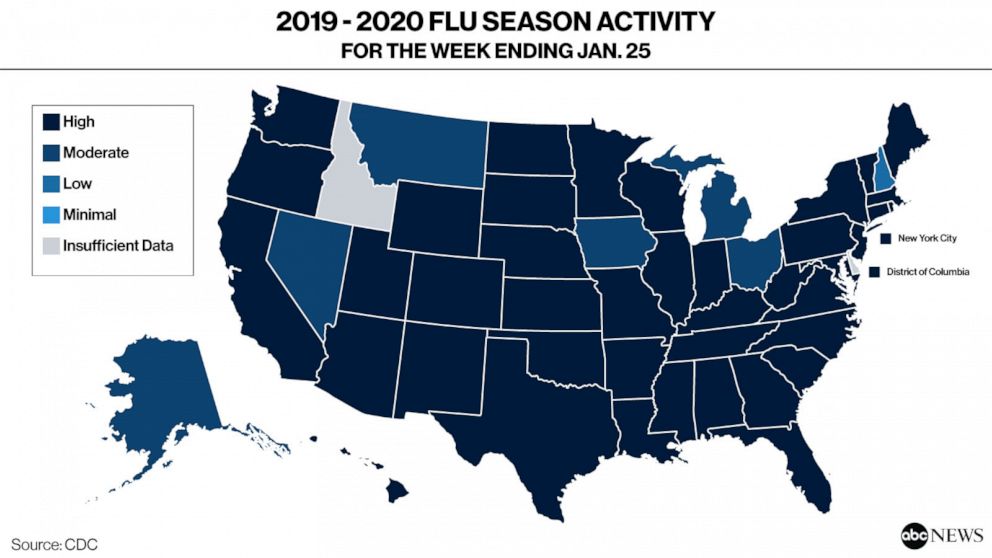
Photo from Abc News

Flu season refers to the period of time during the year where there is an increased prevalence of outbreaks of influenza. According to WebMD, this season tends to start around October and lasts through March or April. The reason that the flu season is consistently during cold weather is due to how the flu viruses spread mainly by droplet nuclei, and the virus is basically designed to best spread by jumping from person to person in cold and dry air; transmission rates are at their highest when temperature and humidity are both low. There are also countless strains of influenza, and these different strains play a huge part in why and how we have a seasonal flu. There is an A strain and a B strain that work together to make up the long months; the A strain dominates the early months while the B strain shows up near the end. Type A mutates frequently, and the many resulting variations ends up being responsible for flu pandemics. Type B is less complicated and doesn’t mutate as much, but it can be more dangerous to young children and it is divided into the two families, Yamagata and Victoria. In the 2019-2020 flu season, the B strain surprisingly showed up a lot earlier than expected.  

Effectiveness of this Year’s Vaccine

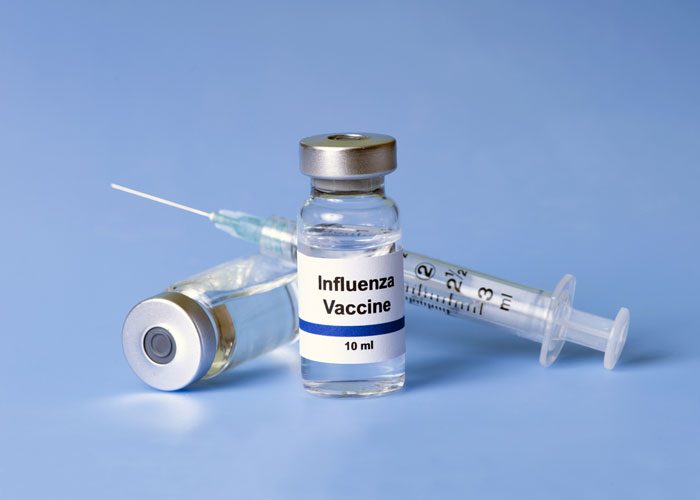
If you take the time to think about it, it’s easy to see how the best way to prevent against the flu virus is to wash your hands thoroughly and frequently (20 seconds, according to my CNA experience), avoid extended time within large crowds, and to get vaccinated beforehand. According to npr, this year’s vaccines contain four inactivated or live, attenuated strains; there are two A strains (an H1N1 strain and a H3N2) and two B strains that are the same as in last year’s formulation. However according to Health, this combination is unfortunately a poor match for the leading virus out there right now: a B/Victoria strain. As mentioned, the B strain has shown up a lot earlier than usual (the first time in 27 years that an influenza B virus is dominating the flu season so early). Due to this “curve-ball”, the vaccine that was created is only a 58% match.

Catch Up With Coronavirus

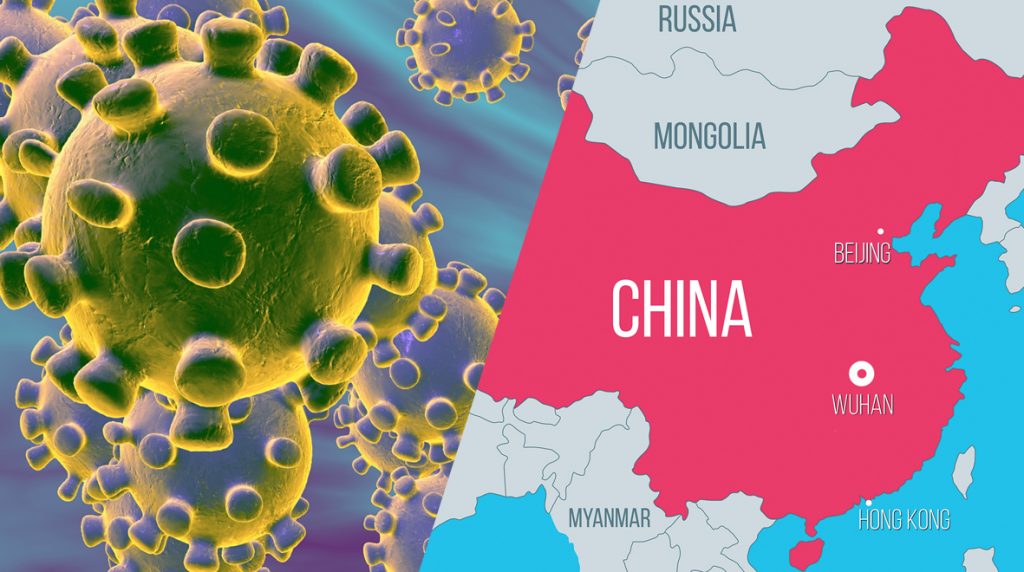
It’s all over the news, and fear is in everyone’s hearts; the new 2019 novel coronavirus (named 2019-nCoV) that was first detected in Wuhan China has been wreaking havoc on the world in many ways. In order to handle, contain, and fix the damage, the best way to combat this, and any great obstacle of mankind, is to first get educated. 

What is the Coronavirus?

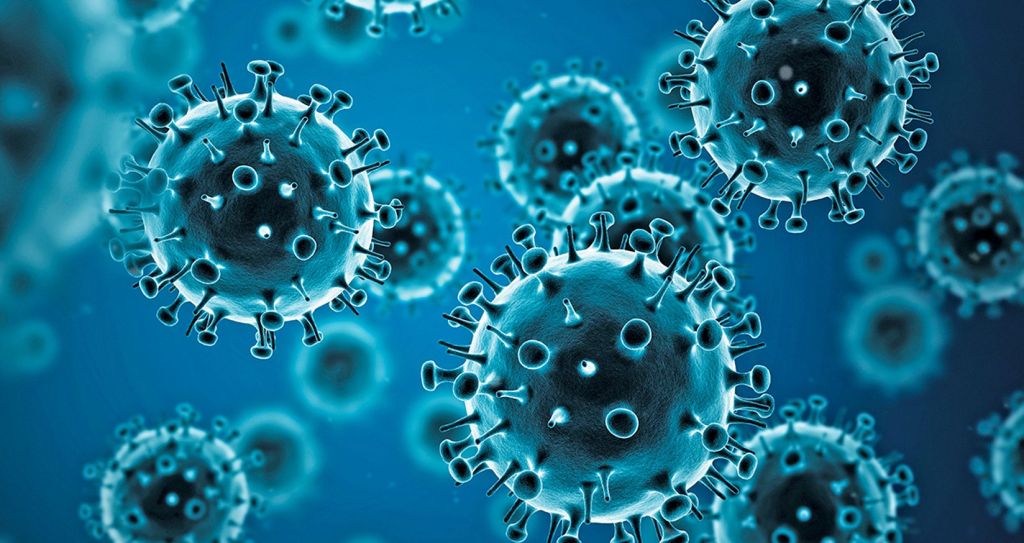
Photo from nature

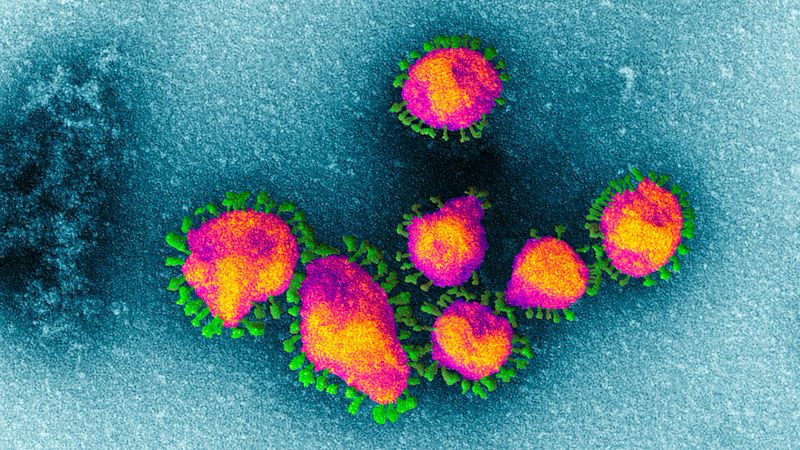
To start off, it is important to know what kind of virus is being spread around. According to the CDC, coronaviruses are a large family of viruses, and the 2019-nCoV coronavirus is a new strain that has never been previously identified in humans. The WHO also explains that coronaviruses are zoonotic (transmitted to people from animals), using the severe diseases MERS-CoV, which was transmitted from civet cats, and SARS-CoV, which was transmitted from dromedary camels, as examples. For coronaviruses, illness can range from no symptoms or mild symptoms reflecting the common cold (respiratory symptoms, fever, cough, shortness of breath/breathing difficulties) all the way to severe infection that causes pneumonia, severe acute respiratory syndrome, kidney failure, or even death. Such a variation is even seen with just the 2019-nCoV coronavirus alone.  

Where it Started

Photo from Wired

According to the CDC, the very first outbreak was detected in Wuhan City, Hubei Province, and it is continuing to spread. With 2019-nCoV being a betacoronavirus (like MERS and SARS) that has its origins in bats, and early on patients having a link to a large seafood/live animal market, it was suggested that the 2019-nCoV coronavirus was spread from animal-to-person. Later on, there was a growing number of patients that did not have any exposure to animal markets, which then also indicated person-to-person spread. Such a conclusion helps explain how the disease had spread so fast: its appearance happened to be during Chinese New Year, a very important holiday in China. Its significance comes from the practice of most Chinese people leaving their hometowns and traveling far distances for their careers after they grow into adulthood, and Chinese New Year ends up being the only chance in a whole year that they are able to reunite with their families. For a culture that particularly puts a heavy emphasis on family, it is an annual phenomenon in the usually busy, bustling, large cities where even places like Beijing and Shanghai turn into a “ghost town”. Additionally, there are usually big celebrations (performances, feasts. etc.) during this time to celebrate the new year. Consequently, Wuhan is no exception to such culture, and the gathering of its people is one of the many factors that accelerated the spread of the 2019-nCoV coronavirus.    

Responding to the Outbreak

With increasing/increasingly severe incident cases and an increasing death toll, China has taken many safety measures to contain and fight the virus. According to Pharmaceutical Technology, the rapid spread of the illness from people travelling from Wuhan prompted the city’s authorities to have first imposed travel restrictions (on people with fever/flu-like symptoms) and then to have blocked off the entire city. Infrared thermometers were installed at airports, railway stations, long-distance bus stations, and ferry terminals; the Central province of Henan (neighbor to Hubei) have banned the sale of live poultry in an attempt to prevent animal-to-human spread; and Chinese authorities have also shared the genetic sequence of 2019-nCoV to support the diagnosis of potential victims globally, and to assist in the creation of vaccines against the virus. 

Other Effects

Photo from Reddit (Depicts regions of China as their signature dishes supporting Wuhan, which is also being represented by its signature dish)

I also want to bring to light a lot of other aspects of this virus. Along with the rise of this virus, so have anti-chinese sentiment. There have been many crude jokes or insensitive comments, ranging from saying the outbreak won’t last long because it’s made in China, to saying that Chinese people deserve to be killed off by the virus due to their weird eating habits. To be clear, China is often stereotyped to have “odd” eating habits, but not only is that looking with an ethnocentric perspective, it is also ignorantly ignoring European countries that also have “odd” foods like Italy’s maggot cheese. Additionally, when countless people are dying from disease, you think about the pain of losing your loved ones, you think of the fear people have for their lives in a ghost town that they used to call home, and you show empathy, you share compassion, and you spread love. Instead of seeking blame for a naturally occurring aspect of nature, you work towards uniting and fighting the same obstacle. In fact, amidst all the fear and paranoia, many people are failing to recognize the vast numbers of doctors, nurses, and volunteers that are risking their lives and working overtime in order to save their people and protect their families. Our immediate roles as citizens of the U.S is to be educated on the situation; minimize the risk of spread by washing our hands regularly, covering our coughs/sneezes, and getting isolated if confirmed of contracting the virus; aiding in the sending of resources for a city that is desperately fighting to stay strong, and recognizing that people across the world are the same as us: they’re people.  

Disaster in the Wake of Wakefield

Photo by steemit

We’ve all heard of the term “anti-vaxxer”, but not all of us know where this big anti-vaccine movement came from, and even more so (unfortunately), not all of us know why its origins have wrongly founded an unnecessary, ignorant, and paranoid mentality. 

Everything Wrong With Wakefield 

Photo by CNN

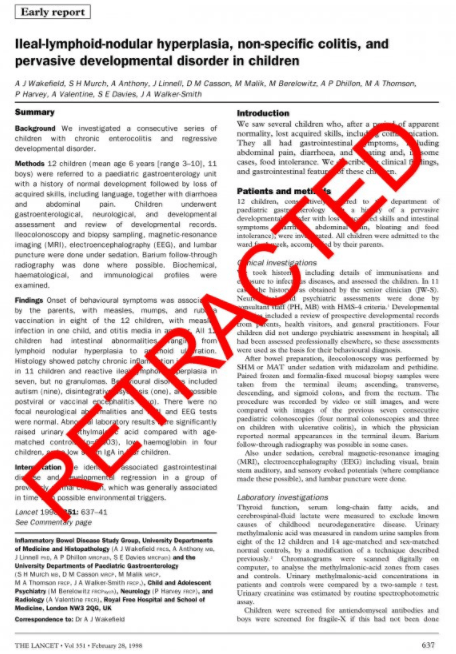
According to NCBI, this all started back in 1998 when The Lancet, a major medical journal, published a research study by Andrew Wakefield, a gastroenterological surgeon and medical researcher at that time. In the study that he published, it was implied that there was a causational relationship between the MMR vaccine and the development of autism and IBD in children. As expected, the results of this study caused mass hysteria; the nature of this study targets the worries of parents with young children that are concerned about the possibility of a serious, debilitating disease. However, if you look at the study itself, there are many alarming things that stand out that threaten the validity of the scientific research. Firstly, there was only a small sample size of 12 children in his study, there was no control group, there are too many variables (autism, MMR, and IBD) to be able to determine causation, the study was conducted during a time with an increase in autism rates, and the data came from parents’ observations, a group of fearful people that already have suspicions and will be searching for signs of autism. On top of this, many other researchers have invested thousands of research dollars into proving/disproving his claims, and not one has been able to reach the same conclusions. Not only is the research study formatted extremely poorly, there were consistent contrary results.

It Gets Worse With Wakefield

Photo by Brian Deer

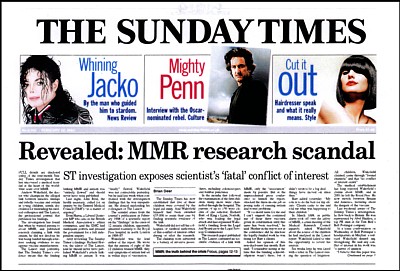
Unfortunately, it doesn’t stop there. According to NCBI, there was extensive investigation done on Wakefield and his study, and it was later revealed that there were serious conflicts of interest leading to serious professional misconduct. One of the major funding sources to Wakefield’s study was a lawyer who was fighting an anti-vaccine lawsuit for many people believing that their children’s medical conditions were caused by vaccines. Additionally, that same lawyer directly paid Wakefield to help with his lawsuit, and he helped find some of the test subjects for the study. Wakefield was also developing his own measles vaccine prior to the publication of the study, which would have sold as the “safe alternative” to the MMR vaccine that he would deliberately cause fear/paranoia towards with lying about unfavorable data. Even after all of this was revealed, and his study was retracted, he continued to gain supporters, and even opened a “non-profit” clinic despite losing his medical license, and received a suspicious annual salary of nearly $300,000.

Lasting Consequences

Photo by CNN

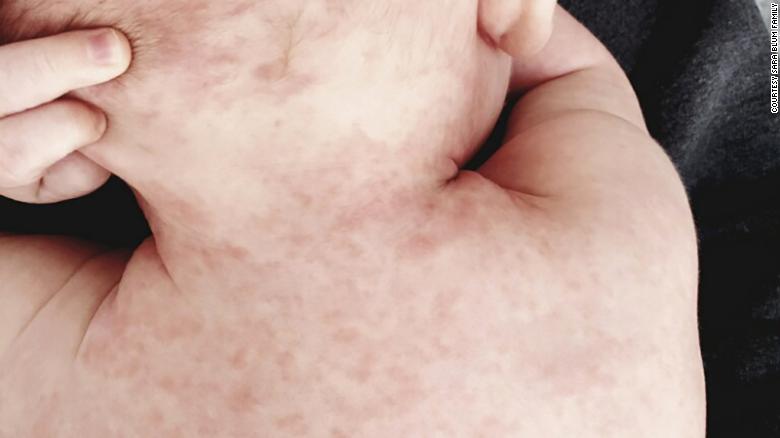
To this day, there is still a good amount of people that distrust vaccines, and thus refuse to vaccinate their children. What this translates to is the resurfacing of previously almost completely suppressed diseases, and endangerment of the general public due to ignorance. According to the Center for Infectious Disease Research and Policy (CIDRAP), measles is one of said diseases that were relatively contained before, and now have been, and continue to, spread in global outbreaks. In fact, there had been more measles cases within the first 6 months of 2019 than any year since 2006, and there had been approximately three times as many cases reported in 2019 as there were at this same time last year. Currently, Ukraine, the Democratic Republic of the Congo (DRC), and Madagascar are reporting the most measles activity, but other countries such as Nigeria, Philippines, Sudan, etc. are also having major outbreaks. The reason for these outbreaks can be attributed to the fact that these countries have extremely low vaccination rates, but even for the United States, which is a country with high vaccination rates, measles are being brought in by international travelers, and the dedication and frequency of getting the full MMR vaccine (that covers measles, mumps, and rubella) has decreased significantly. When the measles is as contagious as it is, requiring a community level 95% vaccination rate to prevent sustained transmission, a vulnerable population stands little to no chance against the damaging effects of such a virus.

Reflection

Photo by MEME

I cannot stress enough how important it is to get educated. The fact that so many people still succumb to the disproven lies that are the foundation to the anti-vaccination movement is honestly infuriating. Additionally, it is an extremely selfish decision that destroys herd immunity, which is crucial to the survival of those who are unable to protect themselves (young children, the elderly, and the immunocompromised). As a society, it is our duty to be educated, and it is our duty to do our part for the greater good of the public’s health.