

We’ve all heard of flu season and how we have to be extra careful of catching the flu around a certain time of the year, but the specifics of when that time happens and what the flu actually is, remains an unclear mystery to most people.
What is the flu?
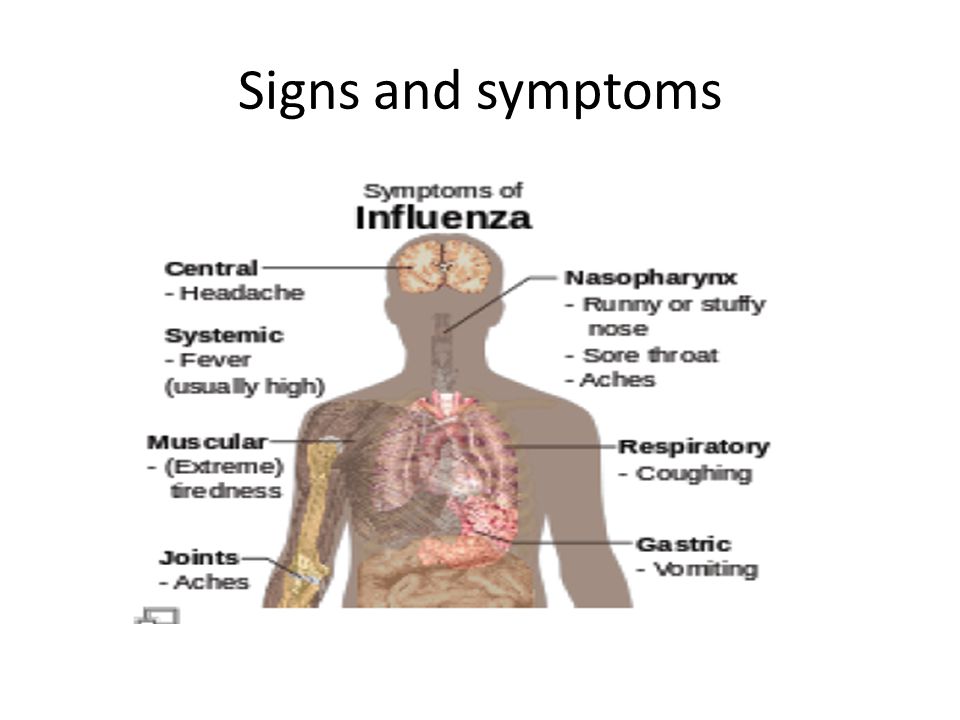
Firstly, what is the flu? According to the CDC, the flu is a contagious respiratory illness that gets its name from the influenza viruses that infect the nose, throat, and sometimes the lungs. The consequences vary greatly, ranging and varying from mild symptoms such as cough, sore throat, runny/stuffy nose, headaches, and fatigue, to things like fever, chills, muscle ache, and vomiting and diarrhea (common in children). In the most severe cases, the flu can also lead to other complications such as bacterial pneumonia, ear infections, sinus infections, the worsening of chronic medical conditions (asthma, diabetes, etc.), or even death. Under normal circumstances, most people’s bodies are able to fight off the illness, and the annual flu vaccine helps to increase the chances of your body fighting off the virus if it ever does encounter it; however, the severe symptoms and complications are still possible, and they tend to appear more frequently amongst those that have either weak or compromised immune systems.
Flu Season
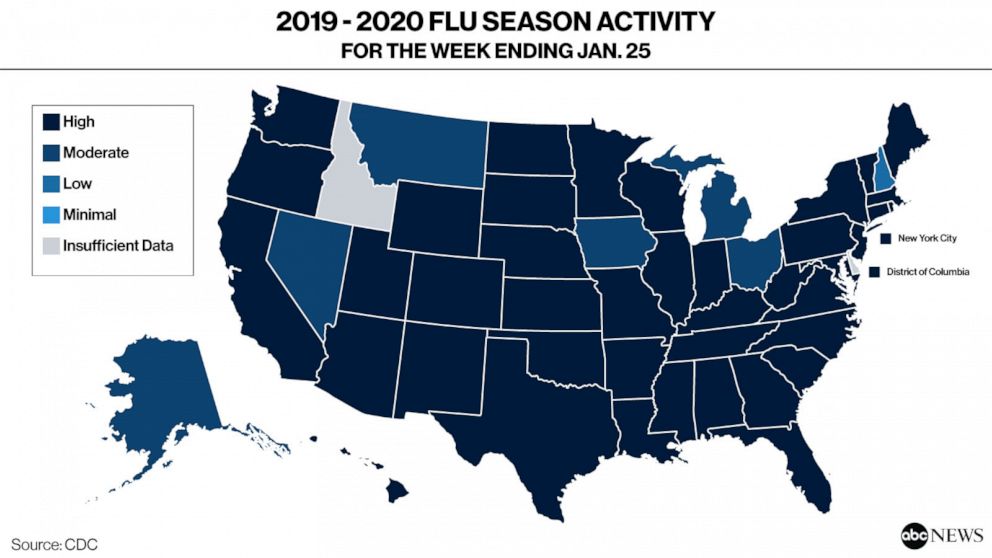
Flu season refers to the period of time during the year where there is an increased prevalence of outbreaks of influenza. According to WebMD, this season tends to start around October and lasts through March or April. The reason that the flu season is consistently during cold weather is due to how the flu viruses spread mainly by droplet nuclei, and the virus is basically designed to best spread by jumping from person to person in cold and dry air; transmission rates are at their highest when temperature and humidity are both low. There are also countless strains of influenza, and these different strains play a huge part in why and how we have a seasonal flu. There is an A strain and a B strain that work together to make up the long months; the A strain dominates the early months while the B strain shows up near the end. Type A mutates frequently, and the many resulting variations ends up being responsible for flu pandemics. Type B is less complicated and doesn’t mutate as much, but it can be more dangerous to young children and it is divided into the two families, Yamagata and Victoria. In the 2019-2020 flu season, the B strain surprisingly showed up a lot earlier than expected.
Effectiveness of this Year’s Vaccine

If you take the time to think about it, it’s easy to see how the best way to prevent against the flu virus is to wash your hands thoroughly and frequently (20 seconds, according to my CNA experience), avoid extended time within large crowds, and to get vaccinated beforehand. According to npr, this year’s vaccines contain four inactivated or live, attenuated strains; there are two A strains (an H1N1 strain and a H3N2) and two B strains that are the same as in last year’s formulation. However according to Health, this combination is unfortunately a poor match for the leading virus out there right now: a B/Victoria strain. As mentioned, the B strain has shown up a lot earlier than usual (the first time in 27 years that an influenza B virus is dominating the flu season so early). Due to this “curve-ball”, the vaccine that was created is only a 58% match.

 The Magic Struggle Bus