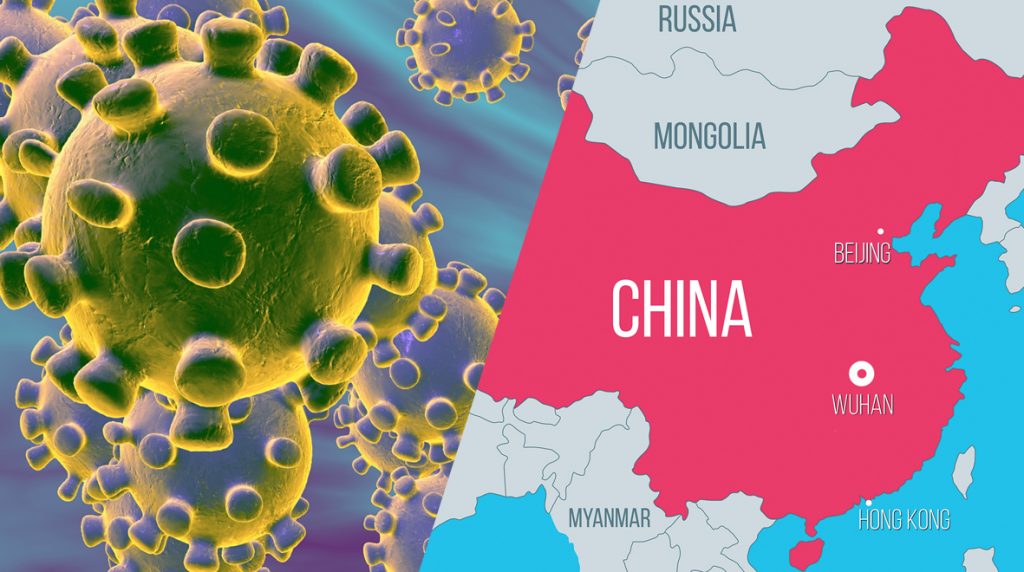
It’s all over the news, and fear is in everyone’s hearts; the new 2019 novel coronavirus (named 2019-nCoV) that was first detected in Wuhan China has been wreaking havoc on the world in many ways. In order to handle, contain, and fix the damage, the best way to combat this, and any great obstacle of mankind, is to first get educated.
What is the Coronavirus?
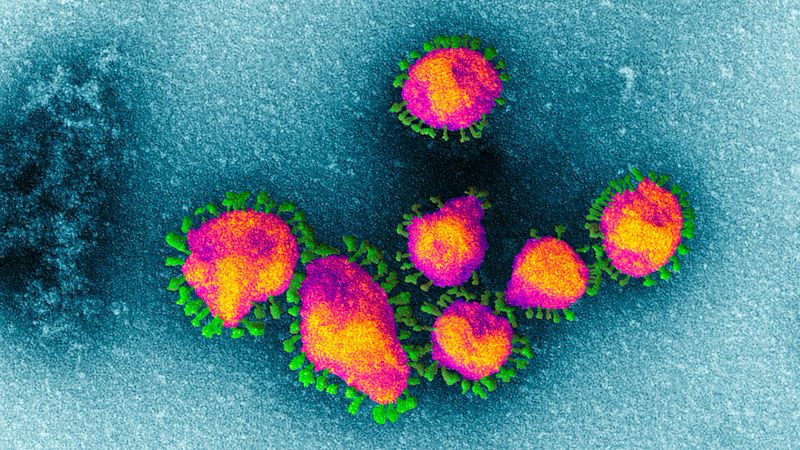
To start off, it is important to know what kind of virus is being spread around. According to the CDC, coronaviruses are a large family of viruses, and the 2019-nCoV coronavirus is a new strain that has never been previously identified in humans. The WHO also explains that coronaviruses are zoonotic (transmitted to people from animals), using the severe diseases MERS-CoV, which was transmitted from civet cats, and SARS-CoV, which was transmitted from dromedary camels, as examples. For coronaviruses, illness can range from no symptoms or mild symptoms reflecting the common cold (respiratory symptoms, fever, cough, shortness of breath/breathing difficulties) all the way to severe infection that causes pneumonia, severe acute respiratory syndrome, kidney failure, or even death. Such a variation is even seen with just the 2019-nCoV coronavirus alone.
Where it Started
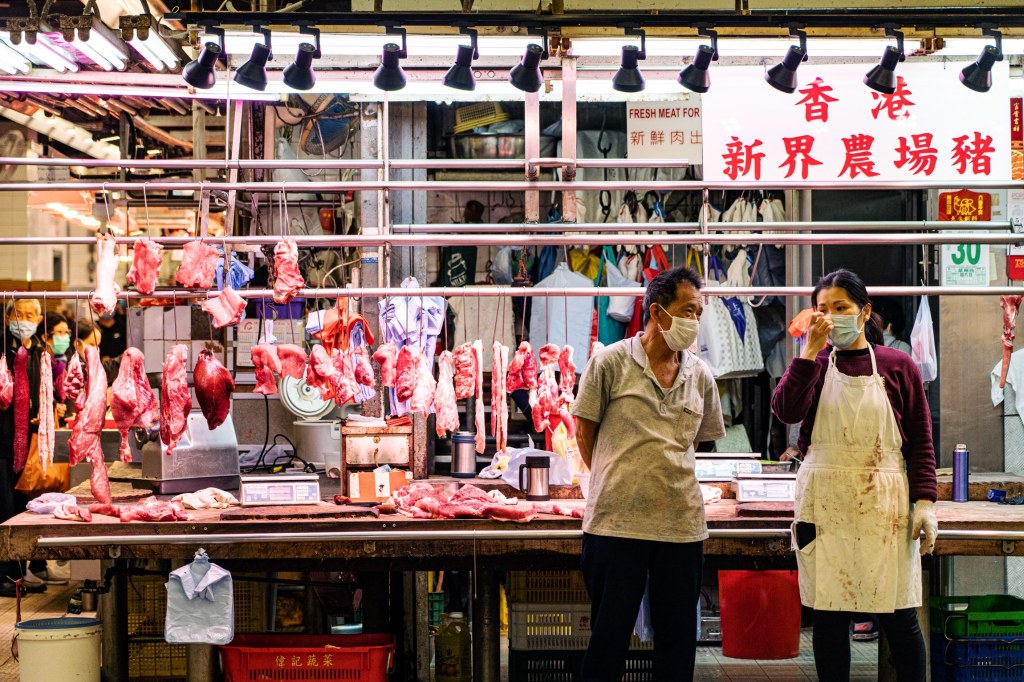
According to the CDC, the very first outbreak was detected in Wuhan City, Hubei Province, and it is continuing to spread. With 2019-nCoV being a betacoronavirus (like MERS and SARS) that has its origins in bats, and early on patients having a link to a large seafood/live animal market, it was suggested that the 2019-nCoV coronavirus was spread from animal-to-person. Later on, there was a growing number of patients that did not have any exposure to animal markets, which then also indicated person-to-person spread. Such a conclusion helps explain how the disease had spread so fast: its appearance happened to be during Chinese New Year, a very important holiday in China. Its significance comes from the practice of most Chinese people leaving their hometowns and traveling far distances for their careers after they grow into adulthood, and Chinese New Year ends up being the only chance in a whole year that they are able to reunite with their families. For a culture that particularly puts a heavy emphasis on family, it is an annual phenomenon in the usually busy, bustling, large cities where even places like Beijing and Shanghai turn into a “ghost town”. Additionally, there are usually big celebrations (performances, feasts. etc.) during this time to celebrate the new year. Consequently, Wuhan is no exception to such culture, and the gathering of its people is one of the many factors that accelerated the spread of the 2019-nCoV coronavirus.
Responding to the Outbreak
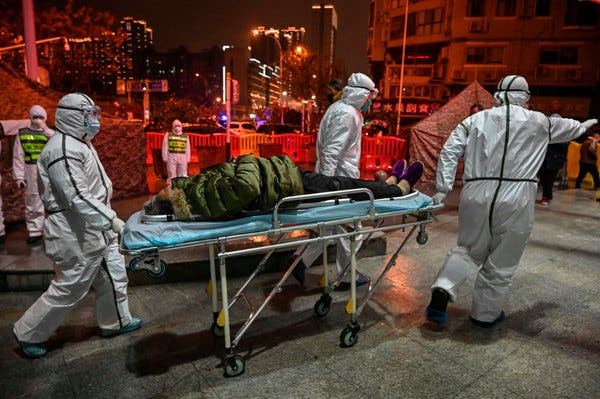
With increasing/increasingly severe incident cases and an increasing death toll, China has taken many safety measures to contain and fight the virus. According to Pharmaceutical Technology, the rapid spread of the illness from people travelling from Wuhan prompted the city’s authorities to have first imposed travel restrictions (on people with fever/flu-like symptoms) and then to have blocked off the entire city. Infrared thermometers were installed at airports, railway stations, long-distance bus stations, and ferry terminals; the Central province of Henan (neighbor to Hubei) have banned the sale of live poultry in an attempt to prevent animal-to-human spread; and Chinese authorities have also shared the genetic sequence of 2019-nCoV to support the diagnosis of potential victims globally, and to assist in the creation of vaccines against the virus.
Other Effects

I also want to bring to light a lot of other aspects of this virus. Along with the rise of this virus, so have anti-chinese sentiment. There have been many crude jokes or insensitive comments, ranging from saying the outbreak won’t last long because it’s made in China, to saying that Chinese people deserve to be killed off by the virus due to their weird eating habits. To be clear, China is often stereotyped to have “odd” eating habits, but not only is that looking with an ethnocentric perspective, it is also ignorantly ignoring European countries that also have “odd” foods like Italy’s maggot cheese. Additionally, when countless people are dying from disease, you think about the pain of losing your loved ones, you think of the fear people have for their lives in a ghost town that they used to call home, and you show empathy, you share compassion, and you spread love. Instead of seeking blame for a naturally occurring aspect of nature, you work towards uniting and fighting the same obstacle. In fact, amidst all the fear and paranoia, many people are failing to recognize the vast numbers of doctors, nurses, and volunteers that are risking their lives and working overtime in order to save their people and protect their families. Our immediate roles as citizens of the U.S is to be educated on the situation; minimize the risk of spread by washing our hands regularly, covering our coughs/sneezes, and getting isolated if confirmed of contracting the virus; aiding in the sending of resources for a city that is desperately fighting to stay strong, and recognizing that people across the world are the same as us: they’re people.

 The Magic Struggle Bus