
Getting to Know the New “Hero” in Town
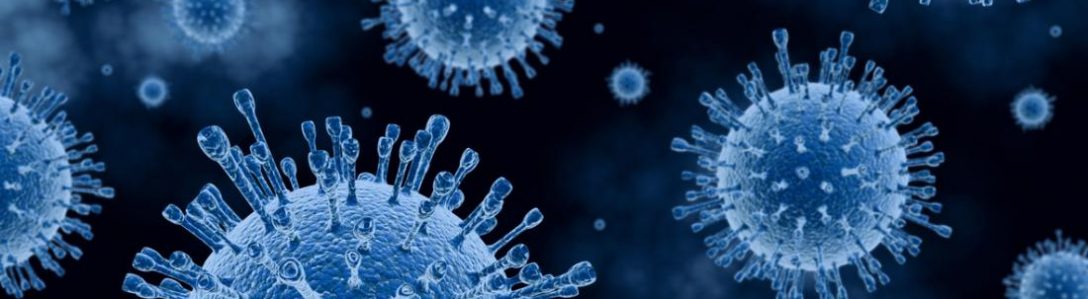
According to Medical News Today, the term “superbug” has a bit of controversy surrounding it. Traditionally, it only referred to drug-resistant bacteria, but after several studies, experiments, and observations over the years, the term “superbug” is now defined more generally as microbes that are resistant to some of the most powerful modern drugs. This slight change was made to include not only drug-resistant bacterium, but also newly discovered drug-resistant fungi, parasites, and even viruses. In other words, superbug actually consists of an intricate team of “superheroes” rather than just one sole fighter! What does this exactly mean for us though? Unfortunately, the truth is that superbugs are not here to save the day . . . they’re villains in disguise. To put it simply, the state of our public health is very much at risk. According to the WHO, “drug-resistant infections could cause 10 million deaths a year – more lethal than cancer – by 2050 is no action is taken”, and in our current state where there are more superbugs, fewer treatment options, and few people who know how to treat them, such a future seems dangerously likely.
The Hero Whose Betrayal is Hard to Stomach: Escherichia coli (mcr-1 gene)
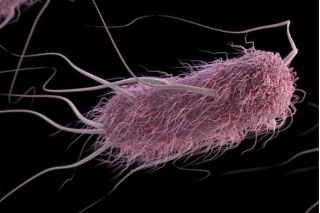
Escherichia coli, or E. coli, is a very familiar and well known bacteria to many. Such is due to the fact that it is a microbe that typically lives harmlessly in the intestines of healthy individuals, but is infamously known to easily leave a painful impact if it’s taken out of its favorite environment. The most common issue related to E. coli relocation is when it travels to the urethra and it causes a Urinary Tract Infection, with symptoms such as pain when urinating, the presence of blood in urine, a persistent urge to urinate, etc. As painful of an experience it is though, it is relatively common, and is usually easily solved with antibiotics. However, according to the CDC, E.coli bacteria that had a certain gene called mcr-1 was reported in China in November 2015. This gene makes bacteria resistant to colistin, which is an old antibiotic that is used for some multi-drug resistant infections as a last resort. Colistin is used as a last resort due to its plethora of side effects, however an increase of drug resistant bacteria, including E.coli, has forced desperate measures to be taken. We have to be on high alert, since a bacteria gene that can counter even our last resort will be catastrophic if its colistin resistance spreads to other multi-drug resistant bacteria. If no solutions can be found, there will be an alarming increase in “truly untreatable infections”.
The Hero Whose Betrayal is Another Hard Pill to Swallow: Clostridium difficile (clade A)
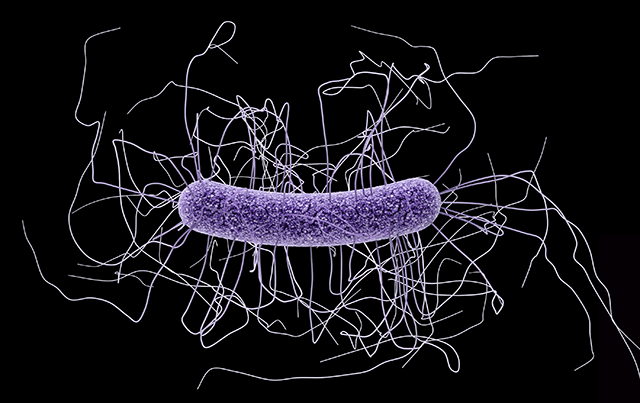
Clostridium difficile, or C. difficile, is also bacteria that resides within our gut. However, according to Medical News Today, when there is an imbalance of bacteria in our gut, it allows C. difficile to multiply and cause an infection that is initially characterized by mild diarrhea. The infection can then lead to more serious signs and symptoms such as pseudomembranous colitis, which is a potentially fatal inflammation of the colon. Typically, C. difficile infections are also treated with antibiotics, but according to NYPost, a specific group called C. difficile Clad A is “currently forming a new species” that is resistant to antibiotics and disinfectants. It is particularly hard to combat in a hospital setting as it is a bacteria that craves sweets and carbs, which is readily available in the form of pudding cups and instant mashed potatoes that “define hospital dining”. For a bacteria that is known to most commonly affect older adults in hospitals or long-term care facilities, its affinity to grow in such an environment, especially with its increasing antibiotic resistance, is also eliciting growing concern for the future of combating infectious diseases.
The Future of “Health City” is in Bad Hands
It’s one thing to hear that a bacteria is becoming resistant to its dedicated antibiotic, but it’s another (way more shocking) thing to hear that a bacteria is becoming resistant to an antibiotic used as a last resort. A last resort is . . . a last resort. It’s something we avoid but turn to only in the worst possible circumstances and we have no choice. What happens when the circumstances are EVEN worse than the worst possible circumstances that we were prepared for? It’s terrifying to think of that, but it’s literally becoming our reality. The fact that a lot of the resistant superbugs were ones that we’ve learned about in class makes it even more unsettling.


