What is HPV?
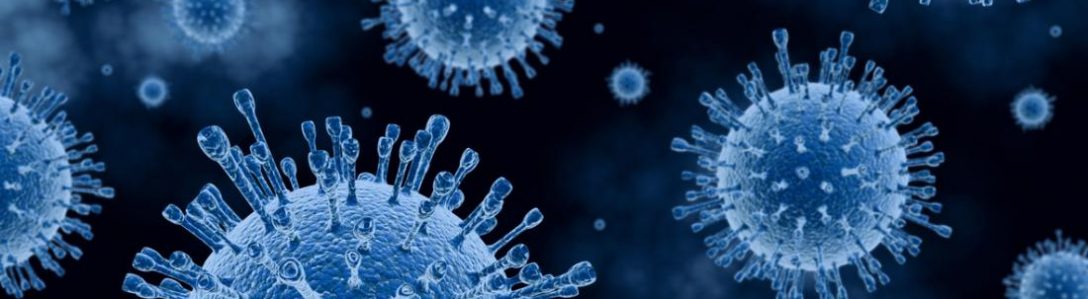
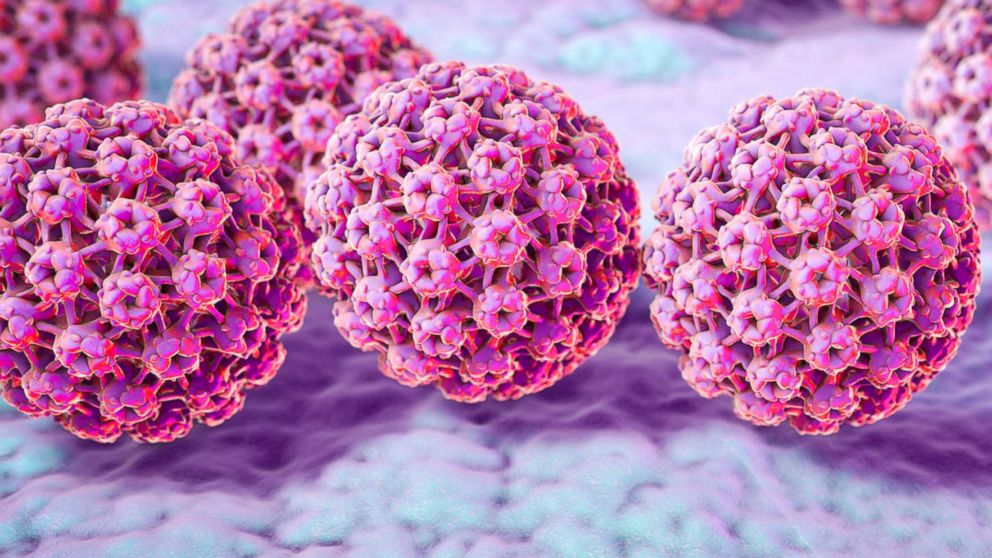
HPV, or human papillomavirus, is a small, non-enveloped DNA virus that infects skin or mucosal cells (WHO). According to the CDC, HPV infections are the most common sexually transmitted infections in the United States, and perhaps that is due to the fact that there are more than 100 varieties of HPV (Mayo Clinic). Although surprisingly, despite the many strains of HPV, only some cause health complications. In fact, most HPV infections are defeated by your body’s immune system, and HPV will go away on its own. However, in the cases that HPV does not go away naturally, it can cause its most well known symptoms which are genital, common, plantar, and flat warts, and lead to cervical cancer in women. Some HPV infections can also cause other cancers and lesions on the tongue, tonsils, soft palate, or within the larynx and nose.
Is There Treatment?
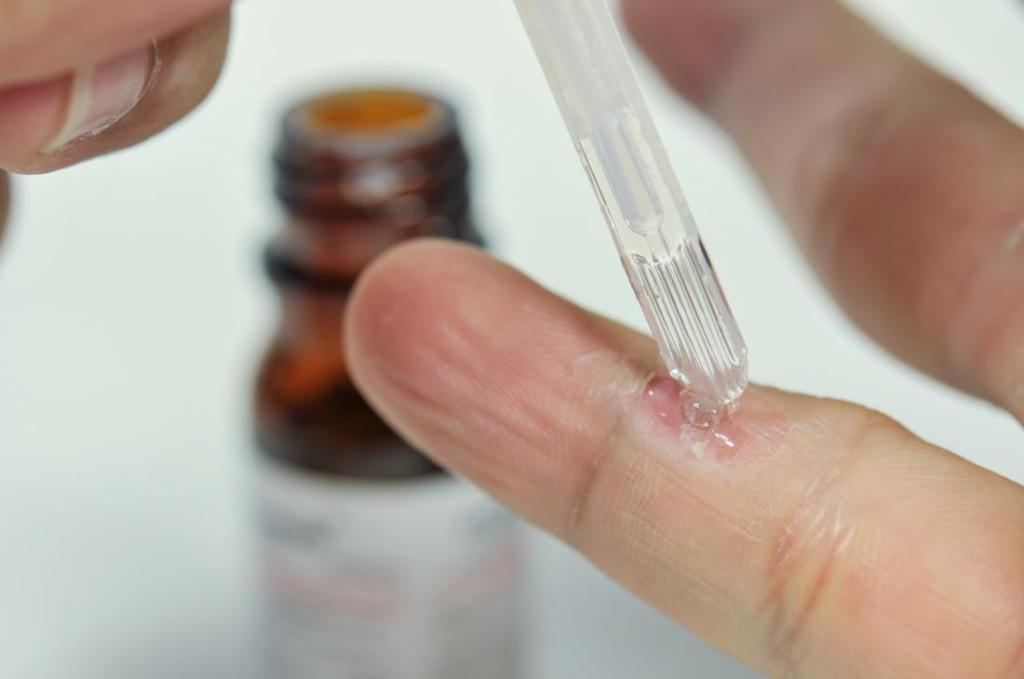
Once you have contracted a symptomatic type of HPV, there are a few things you can do in terms of “treatment”. According to the Mayo Clinic, there are some over the counter and prescription medications that may be given to eliminate warts, but it usually takes many applications before it is successful. For these medications, they are typically topical creams/ointments/chemicals that are directly applied to the lesion. When such medications don’t work or are not easily administered, other options include cryotherapy (freezing with liquid nitrogen), electrocautery (burning with electrical current), surgical removal, or laser surgery. In the specific case of HPV being found in/near the cervix, threats of precancerous lesions are even more important and urgent to remove. Cryosurgery, laser surgery, and surgical removal are still offered, but new methods are introduced: electrosurgical excision procedure (LEEP) and cold knife conization. LEEP removes a thin layer of a section of the cervix with a thin looped wire that is charged with electric current, and cold knife conization is a specific surgical procedure that removes a cone-shaped piece of the cervix.
Prevention is Key
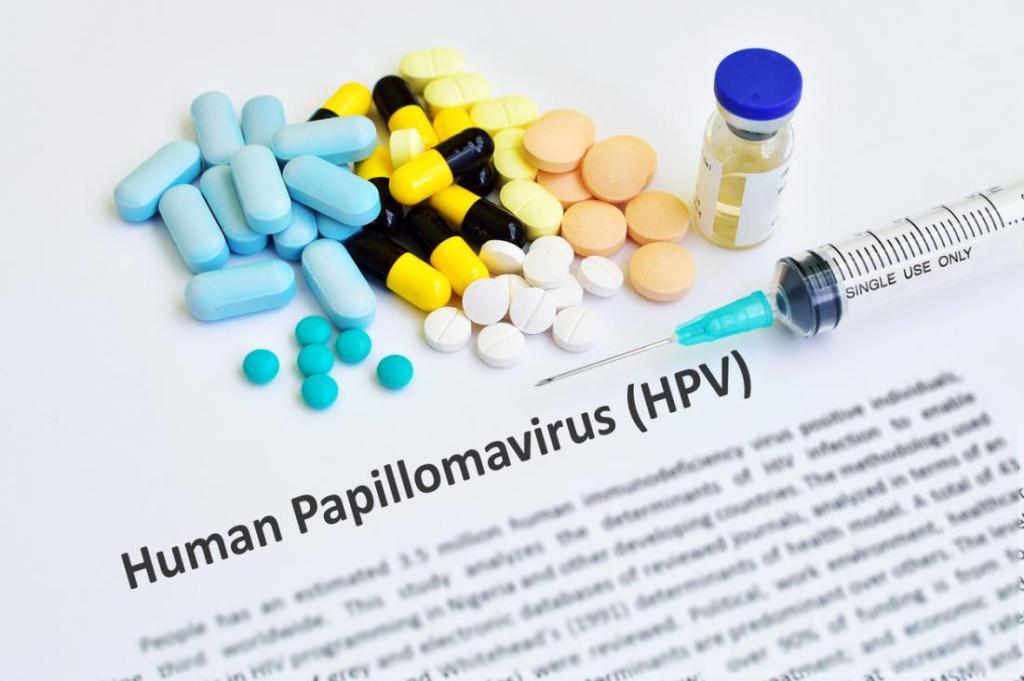
Ultimately however, there is no cure for the virus, so even if warts go away or are treated, they can reappear in the same or different place. That is why the best way to combat HPV is with prevention (prevention over treatment!), and according to the CDC, the best method of prevention is vaccination. According to HPV Vaccine, the newest HPV vaccine is called Gardasil 9, and over 10 million doses have been given in the US in the past year. During its clinical trials period, the studies involved more than 4,000 males aged 16 to 26 years from 18 countries, and results showed that the vaccine was 90% effective against HPV types 6, 11, 16 and 18 that cause genital warts and penile lesions, and 78% effective against HPV types 6, 11, 16 and 18 that cause anal lesions in men. Additionally, the original trails of Gardasil showed that the vaccine is almost 100% effective in preventing abnormalities in cells in the cervix caused by cancer-causing HPV types 16 and 18, and the clinical trials of Gardasil 9 demonstrated that this vaccine is also almost 100% effective at preventing these cell abnormalities in the cervix caused by cancer-causing HPV types 31, 33, 45, 52 and 58. Although, it is important to clarify that the trials did not seek to prove that the HPV vaccine prevents cervical cancer, as it would not have been ethical to allow cervical cancer to develop in the control group. Instead, the clinical trials of Gardasil 9 aimed to compare the body’s immune response to the vaccine between younger and older girls, and younger and older boys. Results from these studies determined that the younger girls and boys who received the vaccine in these studies experienced no increased adverse reactions to the vaccine compared to older girls and boys, and created more antibodies in response to the vaccine than older girls and boys.


