What is Tetanus?
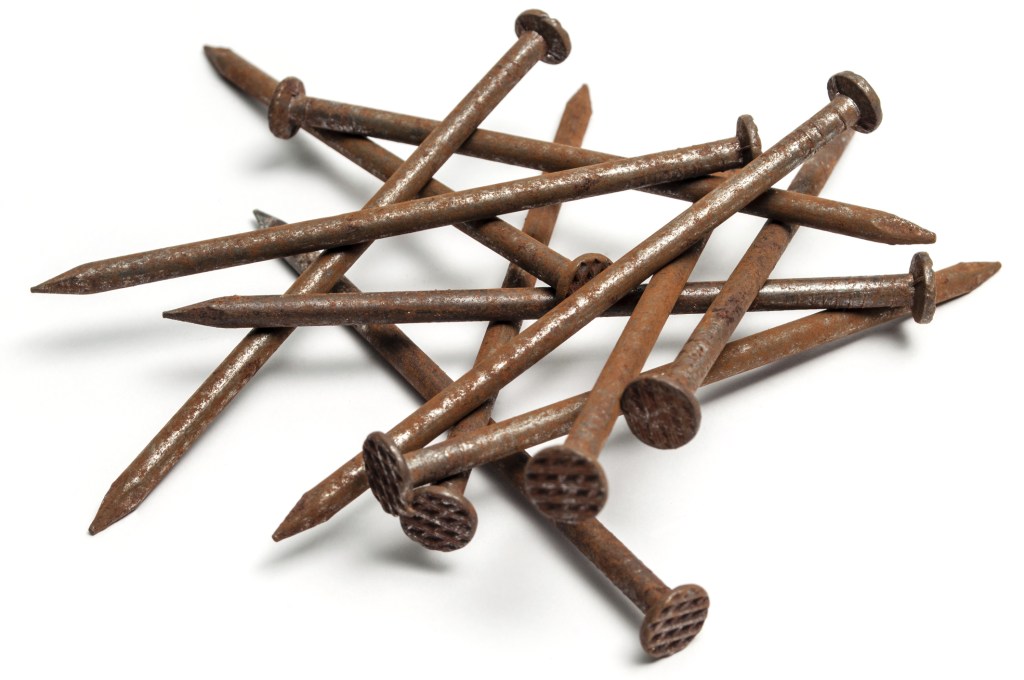
According to the World Health Organization, Tetanus is a rare but extremely severe disease. It gets its name from the bacteria that causes the disease, Clostridium tetani, which is a gram-negative, obligate anaerobic bacteria. Due to it being an obligate anaerobe, it lives in soil, saliva, dust, and manure, and it makes endospores to further survive in such environments. Fun fact, the legend of stepping on a rusty nail and getting Tetanus from it is partially true; however, the linkage of rusty nail and Tetanus is not due to rust, but the fact that a rusty nail has most likely been in soil for a long time, and would thus have been exposed to Clostridium tetani endospores. These endospores can then transfer from its reservoir to the nail, and then from that nail into your body system through wherever it may have penetrated. Once Clostridium tetani enters the body, it establishes an infection and releases toxins such as tetanospasmin that can lead to painful muscle contractions, particularly in the jaw and neck muscles; this particular symptom gives the disease its second name: Lockjaw.
More Tetanus

According to AAP Publications, many severe symptoms of Tetanus are attributed to its various virulence factors (such as neurotoxins) that target and affect the nerves that control your muscles. For example, looking at the Lockjaw symptoms, people at late stages can die due to the general muscle stiffness affecting their ability to swallow. They can also die due to breathing problems caused by spasms of the vocal cords, which can then lead to brain damage due to the lack of oxygen. The spasms and convulsions can also affect other parts of the body, and lead to bone fractures that may include the spine. Other associated symptoms include fever, sweating, high blood pressure, seizures, etc.
Prevention and Treatment
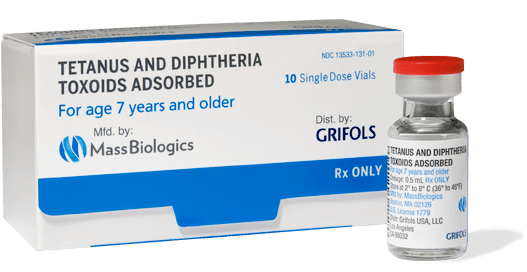
Clearly, Tetanus is a painful experience that we would all like to avoid. To do so, the best way to prevent getting Tetanus is to get vaccinated. As the saying goes, “Prevention is better than Treatment”. According to Vaccines.gov, There are 4 vaccines available that include protection against Tetanus. There is the DTaP Vaccine that protects young children from diptheria, tetanus, and whooping cough; the DT vaccine that protects young children from diphtheria and tetanus; the Tdap vaccine that protects preteens, teens, and adults from tetanus, diphtheria, and whooping cough; and the Td vaccine that protects preteens, teens, and adults from tetanus and diphtheria. The nature of the Tetanus vaccine is that it is a toxoid vaccine; toxoid vaccines use toxins made by the disease causing pathogen to create immunity to the particular disease causing agent rather than the germ itself.


