
Tuberculosis Infection vs. Tuberculosis Disease
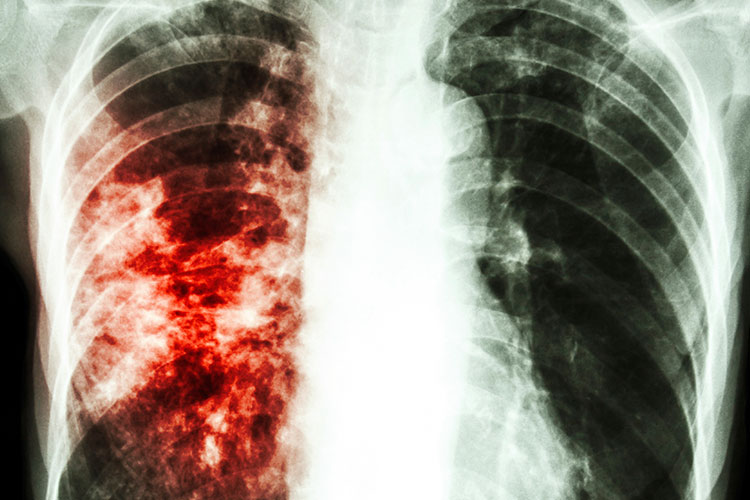
What people don’t usually realize about Tuberculosis is that there is a distinct difference between Tuberculosis infection and Tuberculosis disease. According to Share Care, when someone breathes in TB droplet nuclei from someone that has TB disease, that person may become infected with TB. Under normal circumstances, people’s naturally healthy immune systems can contain the infection and prevent it from proceeding into TB disease. In these cases, where a person has a TB infection only (with a normal chest x-ray), they are not sick or contagious to others, and this is considered latent Tuberculosis. However, If someone who is infected with TB does not receive proper preventative treatment, this will allow the bacteria to grow and cause active TB disease.
Risk Factors & Signs and Symptoms
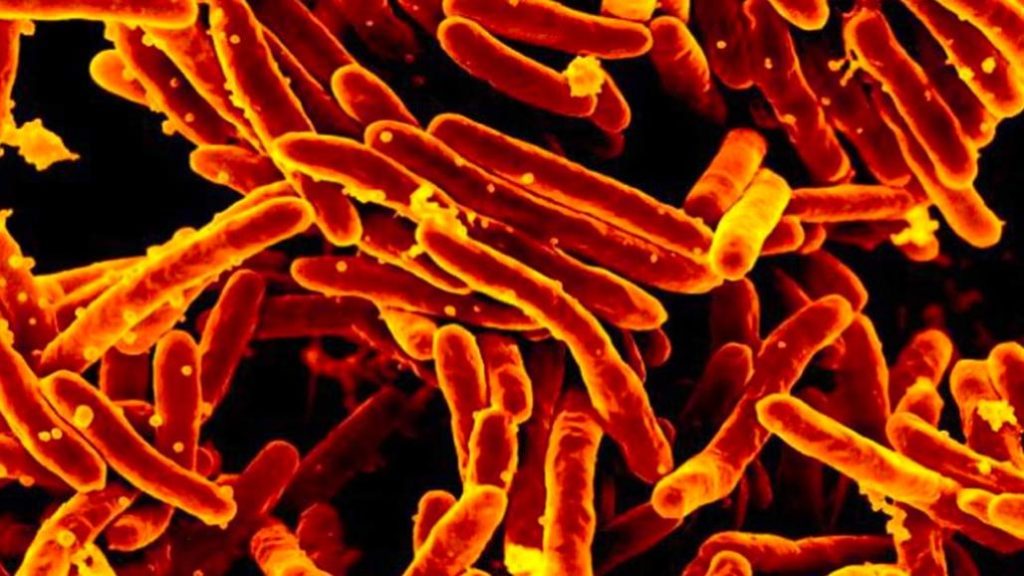
Tuberculosis can affect anyone, but certain factors can make some people more susceptible than others. For example, the American Lung Association lists that one such factor is a weakened immune system, such as from HIV/AIDS, cancer treatment, immunosuppressive drugs for organ transplants, etc. Another example is traveling to or living in certain locations, such as Africa, Eastern Europe, Asia, Russia, Latin America, and the Caribbean Islands, where there are higher rates of tuberculosis and drug-resistant tuberculosis. Additionally, and in line with location, the place you work (such as in health care facilities) will also increase your risk of developing Tuberculosis, and if the areas you visit or frequent have high poverty rates and drug abuse, that can also increase the risk. Whatever the reason, once someone develops active Tuberculosis disease, it affects the lungs and has the potential to become a serious infectious disease. According to American Lung Association, some signs and symptoms of active Tuberculosis includes coughing that lasts three or more weeks, coughing up blood, chest pain or pain with breathing or coughing, unintentional weight loss, fatigue, fever, night sweats, chills,and loss of appetite. In even more severe cases, Tuberculosis can also spread to and affect other parts of the body, such as the kidneys, spine, or brain, which will then lead to other varying signs and symptoms.
Treatment
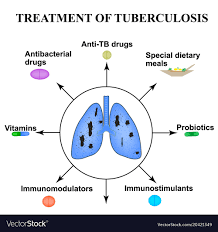
According to WebMD, since Tuberculosis is caused by a bacteria called Mycobacterium tuberculosis, the treatment method for Tuberculosis is 6 to 9 months of antibiotics, whether Tuberculosis is in its latent infection state or active disease state. In its latent stage, the antibiotic treatments that are typically prescribed include a daily Isoniazid pill (the most common therapy) for 9 months, daily Rifampin pill for 4 months, or a combination of Isoniazid and Rifapentine once a week for 3 months. When Tuberculosis is in its active stage, the four common antibiotics that are prescribed are Ethambutol, Isoniazid, Pyrazinamide, and Rifampin, but the duration and which antibiotics to rely on will depend on a test that the doctor orders. They will first test to see which of the common antibiotics will kill the Tb strain that you specifically contracted, and basing off those results, you will take three to four medications for 2 months. Then, you will take two medications for 4 to 7 months. If you unfortunately happen to contract a drug-resistant strain of Tuberculosis, you will have to be treated with a combination of second-line drugs that may not be as effective, and you will have to take those for a longer period of time. Of course the best treatment is prevention (protect yourself from getting infected in the first place)! The best form of preventative measure that is available is a vaccine against Tuberculosis. Fun fact: the BCG (Bacillus Calmette-Guerin) vaccine that protects people from human tuberculosis often leave a scar on the upper arm where it is administered. Thus, people from high risk tuberculosis areas that lead to more regulated/required vaccination against tuberculosis will have this scar (both my parents and my brother from China have it).

 The Magic Struggle Bus