The Ongoing Battle
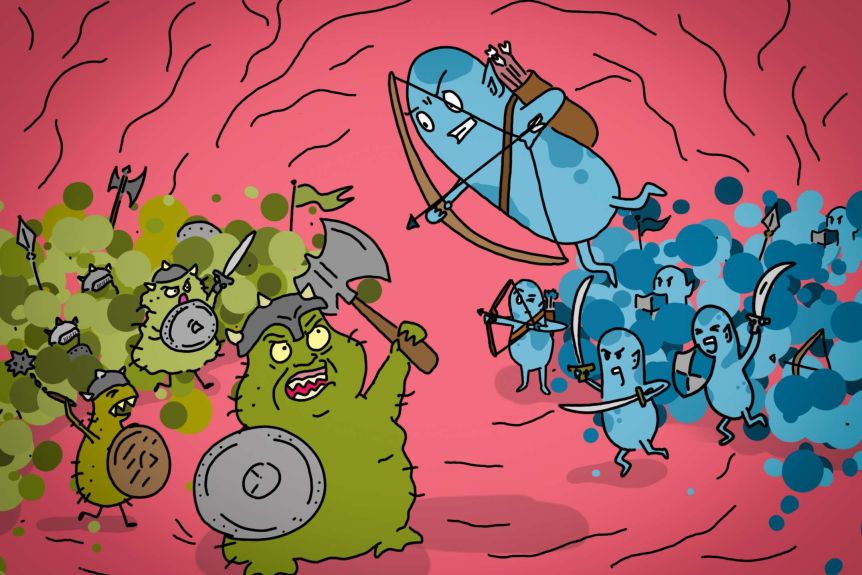
The war against infectious microbes, enemies that we can’t even see, has been going on since the beginning of time. Initially it was a losing battle at first, as there were devastating casualties throughout many generations, but humankind developed better “strategies” and “weapons (antibiotics)” to combat the attack over time; things were finally looking in our favor. However, it also seems that the tables can be turned easily. Just when we felt like our series of triumphs were leading to an ultimate and complete victory, these microbes changed their “strategies” and upgraded their “weapons” as well. If antibiotics could be considered our sword, then their developed antibiotic resistance can be considered the shield that was crafted to counter our sword.
The word “antibiotic” is exactly as it sounds, it is “opposing life”, which is fitting as its job is to attack/kill bacteria. Furthermore, the World Health Organization focuses on its purpose, and thus defines antibiotics as “medicines used to prevent and treat bacterial infections”. However, when the targeted bacteria change in response to the use of these medicines, that’s when antibiotic resistance occurs. The thing is, antibiotic resistance occurs naturally (as all living things evolve over time), but the issue comes in when overuse and misuse of antibiotics dangerously accelerate the process (faster than we can keep up with scientifically/medically).
Misuse vs Overuse
Speaking of overuse and misuse, it appears that some are not aware that there even is a distinction. The overuse of antibiotics is what most are familiar with, as it is in line with the concept of evolution and natural selection that most of us are taught in school, even for those who are not in the science/medical field (to ensure a basic scientific understanding of the world in the general public). In context, natural selection is expressed when the bacteria that may have a certain mutated gene or a special combination of qualities tend to survive against antibiotics and reproduce. Then, evolution is expressed when overtime, the mutated/special gene trait is inherited by the majority of the bacteria population, and as a whole, the entire species evolves to have that kind of resistance against bacteria. This is what happens naturally, but when we continuously, frequently, and thus excessively expose bacteria to our antibiotics, rxlist emphasizes that the process of the sensitive bacteria dying and encouraging stronger germs to reproduce and multiply is accelerated, which makes sense as we are giving the bacteria more opportunities to move along their evolution process.
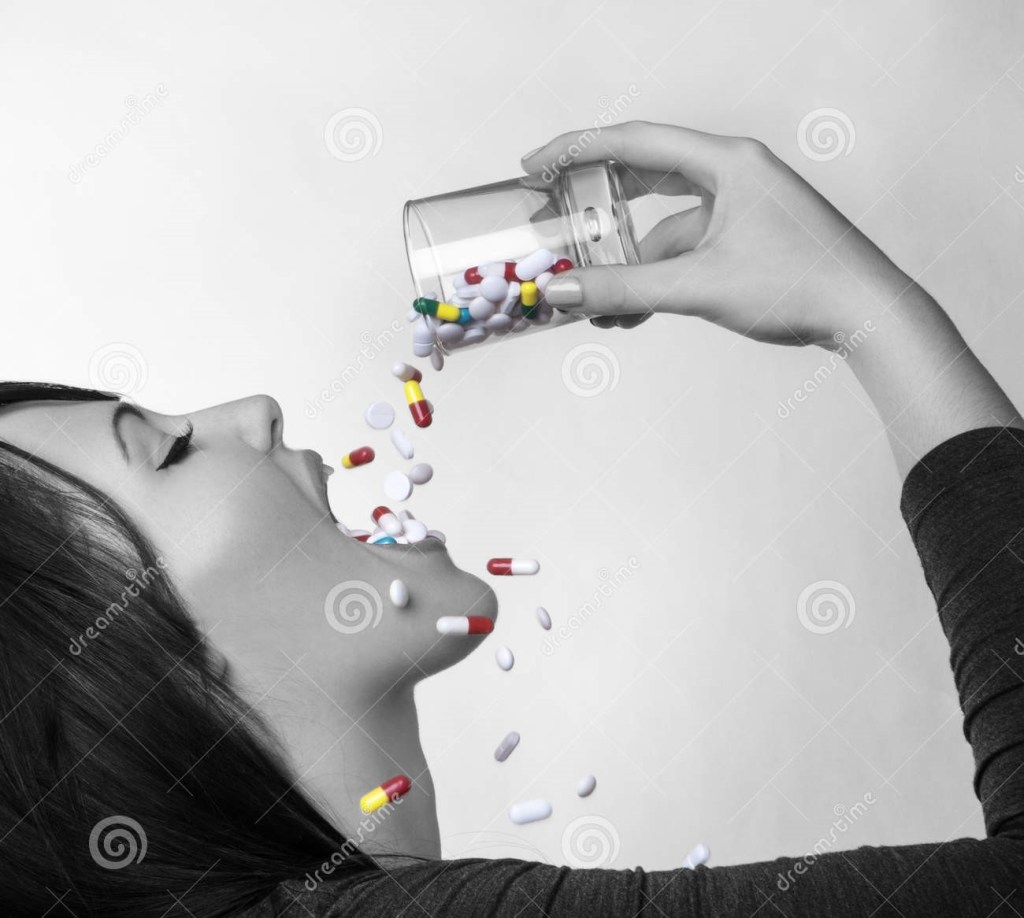
The other factor that leads to antibiotic resistance is the misuse of antibiotics. According to Forbes, misuse encompasses many situations, including when an individual deters from the care plan that was given to them, like stopping medication before the intended length; in this case, if the full dosage is not finished, it could mean that some bacteria were not killed off, and an infection could reestablish. In that case, it would require another full prescription of antibiotics, which increases the exposure of bacteria to our available antibiotics, and lead to potential evolution of the species. Another situation is when an individual takes antibiotics without prescription (aka antibiotics not meant for them). Forbes mentions a study that carried out a meta-analysis (examining 31 peer reviewed publications) to assess “antibiotic use in the U.S. and its underlying factors”; in that study, it was determined that “25% of people had or intended to use antibiotics without a prescription” and “nearly 50% of people had stored antibiotics for future use”, many times for their family members. However the danger in that is how the dosing per antibiotic prescription is very specific, and thus such practice increases the potential for overdose and underdose. With overdose, there are risks of toxicity or other adverse events; with underdose, there is the risk of ineffective treatment, which would have a similar consequence to not following through with an individual care plan.
Prevention > Treatment
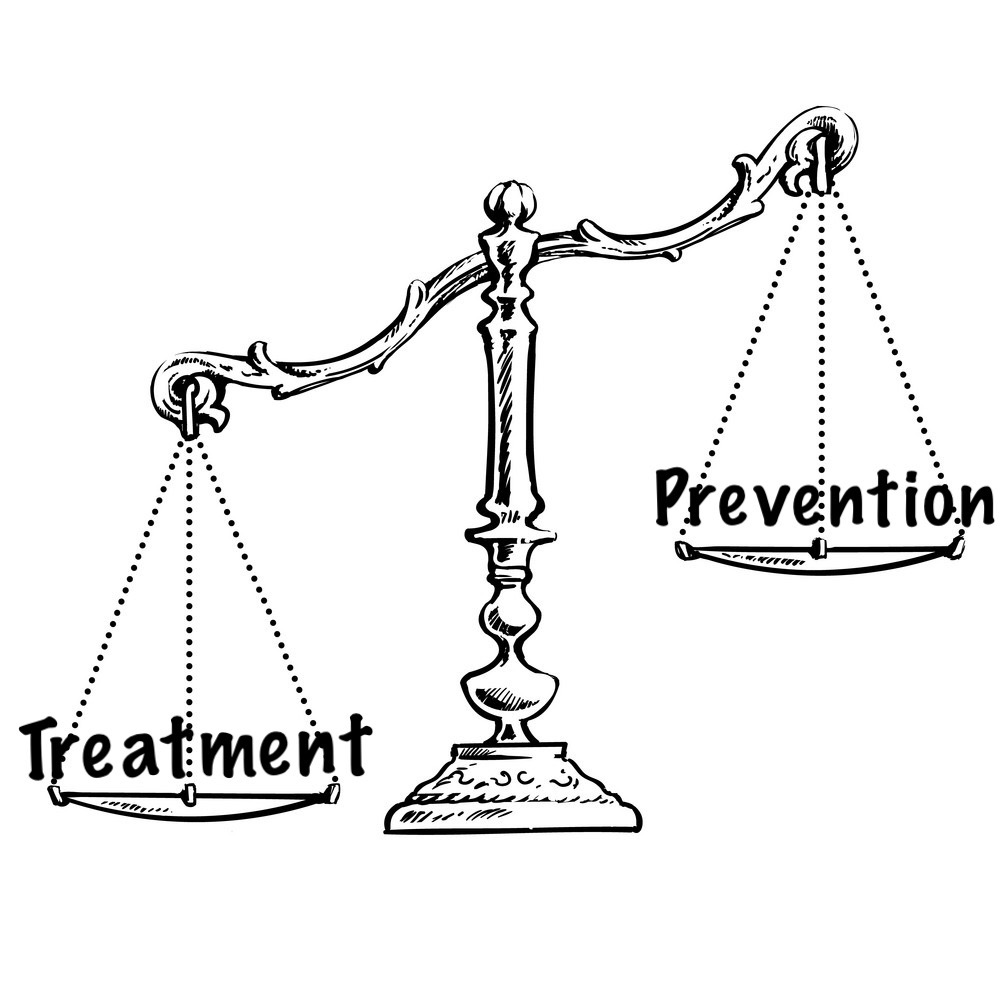
As I did my research for this topic, I couldn’t help but remember a phrase that a sixth grade health teacher taught us: “prevention is always better than treatment”. It sounds very much like common sense, but its not something we’re constantly aware of or conscious about. In the case of antibiotics, it adds another reason why we want to avoid reaching the point of needing treatment. Taking precautions to not get sick, such as getting vaccines, practicing good hygiene and sanitation, etc. will minimize the need for medications such as antibiotics (which will in turn minimize opportunities for bacteria to learn and develop a “counterattack”). This will in turn also avoid the negative impacts brought on by antibiotic resistance, in which the World Health Organization lists as more expensive/dangerous medicines (when first-line antibiotics are no longer effective for infections), a longer duration of illness and treatment (due to unresolved infections), and higher risk for common but invasive treatments such as organ transplantation, chemotherapy, and surgeries such as cesarean sections. Treatment is painful, costly, and can be permanently damaging in many ways, so choose prevention over treatment instead. Prevention methods may seem tedious, not necessary, or a waste of time, but it can help avoid “inconvenient things” and even save your life.

 The Magic Struggle Bus