
What are antibiotics?
To understand how antibiotics affect our microbiome, and more importantly the significance of knowing such effects, we first must understand how antibiotics work. Antibiotics are commonly, naturally synthesized by bacteria as a survival method. According to Microbiology Society, the antibiotics they produce are typically meant to kill off competition (other microbes) that use the same limited resources or space. Although in most cases today, antibiotics are also synthesized in laboratories. The antibiotics work by combating bacterial infections, and they do so by either directly killing the bacteria, which is called a bactericidal antibiotic, or by preventing its growth and reproduction, which is called a bacteriostatic antibiotic. For bactericidal antibiotics, these drugs typically work by interfering with either the formation of the bacterial cell wall or its cell contents.
Benefits of antibiotics?
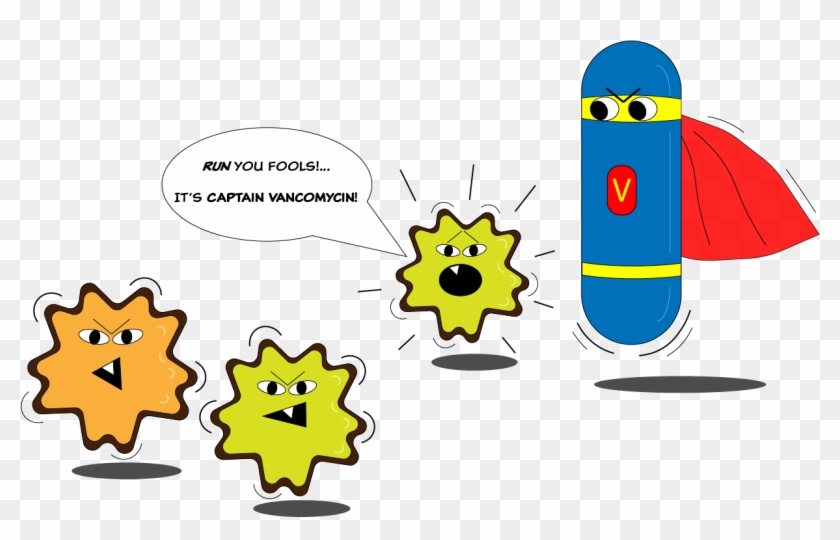
When the body interacts with foreign invaders, the immune system can typically kill the pathogens that it comes across. Our white blood cells (macrophages, lymphocytes, etc.) work to protect against infection using innate and adaptive immunity, and most times even if symptoms do occur, the immune system can handle and fight off the infection. However, when the number of harmful bacteria is excessive, the immune system may not be able to fight it all off. In such a case, we rely on antibiotics to help cover what our immune system isn’t able to. According to Tactonic, there are two different kinds of antibiotics that we have formed: broad-spectrum and narrow-spectrum. Broad-spectrum antibiotics is what we use when there is a lack of time or resources and treatment needs to be administered immediately. It is effective in that it can target both gram-positive and gram-negative bacteria, which is why it is used when the invading bacteria is unknown. Narrow-spectrum antibiotics on the other hand are used when the bacteria IS known, although it requires clinicians to diagnose the bacteria rapidly and accurately before an infection becomes too severe.
Why do we need to be careful?
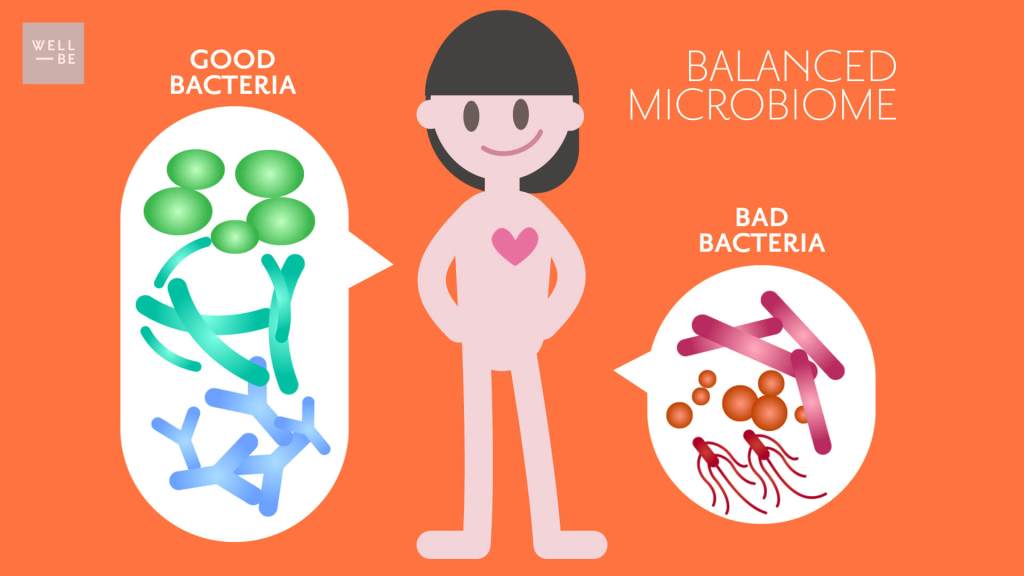
The fact that we have two different kinds of antibiotics is significant. Although it may seem like using the broad-spectrum antibiotics is enough, and rather the narrow-spectrum antibiotics seem meaningless, it is not. Specifically in relation to our microbiome, the consistent use of broad-spectrum antibiotics is dangerous. Our natural microbiome is made of harmless and oftentimes beneficial bacteria, but using nonspecific, broad-spectrum antibiotics means that those bacteria are attacked as well. If anything, we need to invest more into developing narrow-spectrum antibiotics that only kill what we need to rid our bodies of. A good example of what can go wrong with our microbiome if we use too many antibiotics is observing Clostridium difficile. According to Taconic, a common antibiotic called clindamycin that is used to treat recurrent strep infections, diabetic foot infections, and Chlamydia, causes detrimental effects on the gut microbiome can lead to the overgrowth of C. difficile. Under normal circumstances, small amounts of C. difficile live within us humans without harm, but when antibiotic treatment (such as with clindamycin) wipes out beneficial gut bacteria that keeps C. difficile in check, it can overgrow and lead to excessive diarrhea and inflammation of the inner lining of the colon, or colitis.
Taconic emphasizes that short term effects of hurting our own microbiome include decreased colonization by good bacteria, alterations in the composition of normal gut flora, disturbances in metabolism and absorption of nutrients, increased susceptibility to infections, etc. On the other hand, long term effects include persistence of antibiotic resistance genes in the gut microbiome, recurrent infections from normally present bacteria (C. difficile), and loss of microbial diversity and representation of specific taxa. The short term effects are already detrimental to our health, but when we keep in mind of the potential long term effects, we reach borderline dangerous, potentially deadly consequences. Thus, even though we definitely still need antibiotics for the benefits that they have, and continue to give us, we also need to be careful in how we utilize them, and we need to invest in alternative ways to use them.

 The Magic Struggle Bus