Vaccines are one of the greatest developments that scientists have discovered. The process to create one though is a long and careful procedure that requires the candidate vaccine to go through several stages before it can be licensed and utilized.
Early Steps in Vaccine Development Process
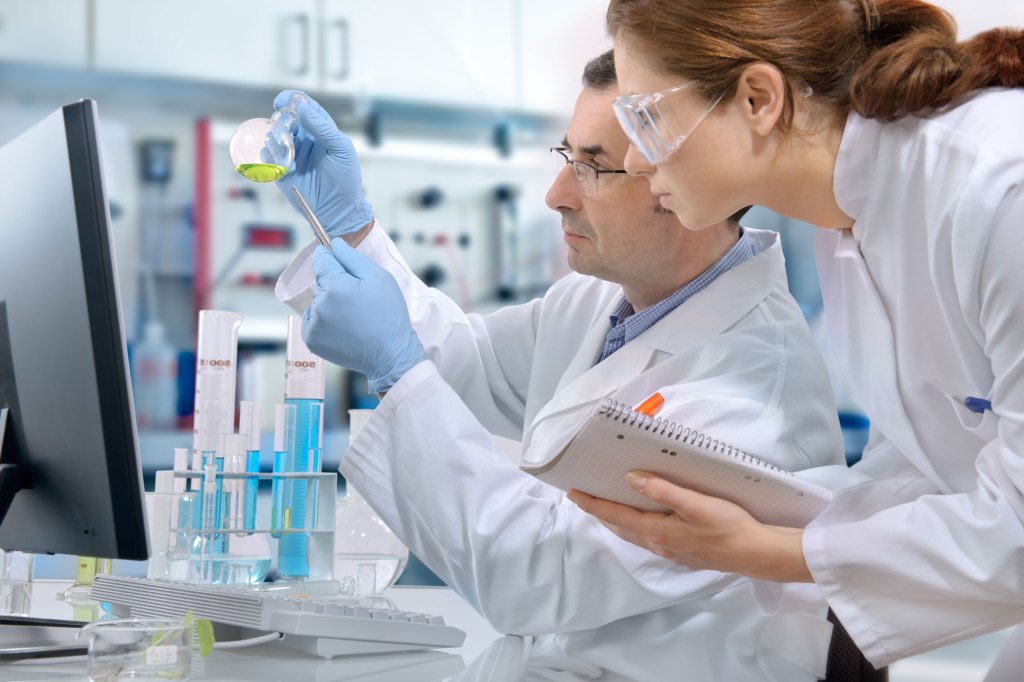
To start off, the first stage is called the exploratory stage. According to History of Vaccines, this stage mainly consists of basic laboratory research where scientists try to identify natural or synthetic antigens to build the vaccine off of. These antigens can be virus-like particles, weakened viruses and bacteria, weakened bacterial toxins, and etc. This stage lasts about 2-4 years before it moves on to the pre-clinical stage. In this stage, the candidate vaccine starts to be tested on tissue-culture, cell-culture, or animals such as mice or monkeys to assess the safety and immunogenicity of the vaccine. The results from these studies are meant to give an insight to what kind of cellular response we can expect in humans if they were to be administered the vaccine, and lead to better understanding of doses and methods of administering that better fit the vaccine. In this stage, challenge trials are also done, where an animal is infected with the target pathogen after being immunized. This stage lasts 1-2 years, but many vaccines never progress further past this stage due to their inability to produce the desired immune response. However, if the pre-clinical trials are successful, they move on to stage 3: Clinical Development.
Clinical Portion
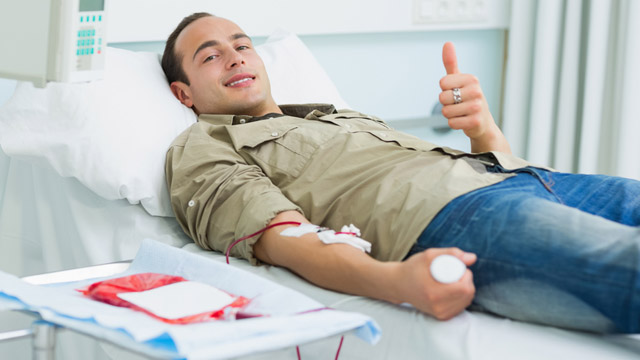
The third stage is when the candidate vaccine finally gets introduced into humans. Due to the higher stakes, stage three is divided into its own three stages and the trials done are typically non blinded. According to History of Vaccines, the first stage of clinical development is the first attempt to test on humans, so the testing starts off with a small group of 20-80 adult subjects. Further testing is done repeatedly with younger and younger subjects if the target age of the vaccine is that of children. The main goal of this stage is to test the safety of the vaccine and to determine what kind of immune response it can elicit, and the extent of that immune response. In stage two, the subjects group grows to be several hundred human adults. The subjects may also be specified and belong to groups that are at risk of acquiring the disease. Now, the tests are a lot more randomized and well controlled, and a placebo group is introduced. The goal for stage two is again to test the safety and immunogenicity of the vaccine, but also to determine proposed doses, perhaps a schedule of immunization, and the best method of administration. Finally, if the candidate vaccine makes it through to stage three, the subject size increases to thousands or tens of thousands of people, and now the vaccine is safe enough to run double-blinded tests that are randomized and include a placebo. Bringing the testing to this kind of subject size allows scientists to potentially discover rare side effects, such as ones where you hear they “only occur in 1 of every 10,000 people”. The main goal of this stage is to test if the vaccine can produce the fully intended result, such as preventing disease, preventing infection with the pathogen, and producing antibodies or other types of immune responses related to the pathogen.
HIV Vaccine in the Process
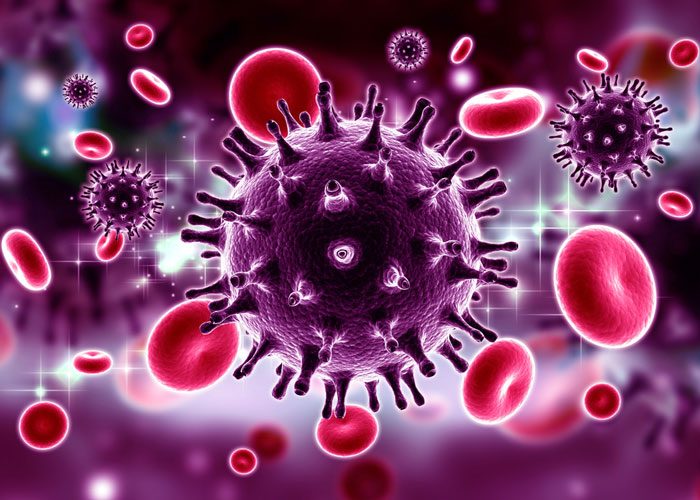
A current candidate vaccine that is going through the different phases/stages is one of the many that are targeting HIV. According to nature, the new vaccine, also known as the Mosaic Vaccine, follows the concept of taking genetic material from many HIV strains around the world and combining them all into one vaccine; the vaccine is developed upon a “mosaic” of these different genetic strains. Small and early trials have shown that the vaccine does prompt an immune response, such as the production of antibodies against HIV. Now, the vaccine is about to enter its phase three (Mosaico) trials that will determine its effectiveness in transgender individuals and men who have sex with men across the America’s and Europe. The subject group for phase three is so specific due to how these communities are disproportionately affected by HIV. The vaccine also contains two synthetic proteins that are based on proteins produced by HIV strains common in Africa, the Americas, and Europe, and this gives the vaccine a “protein boost” that makes it a global vaccine.


