
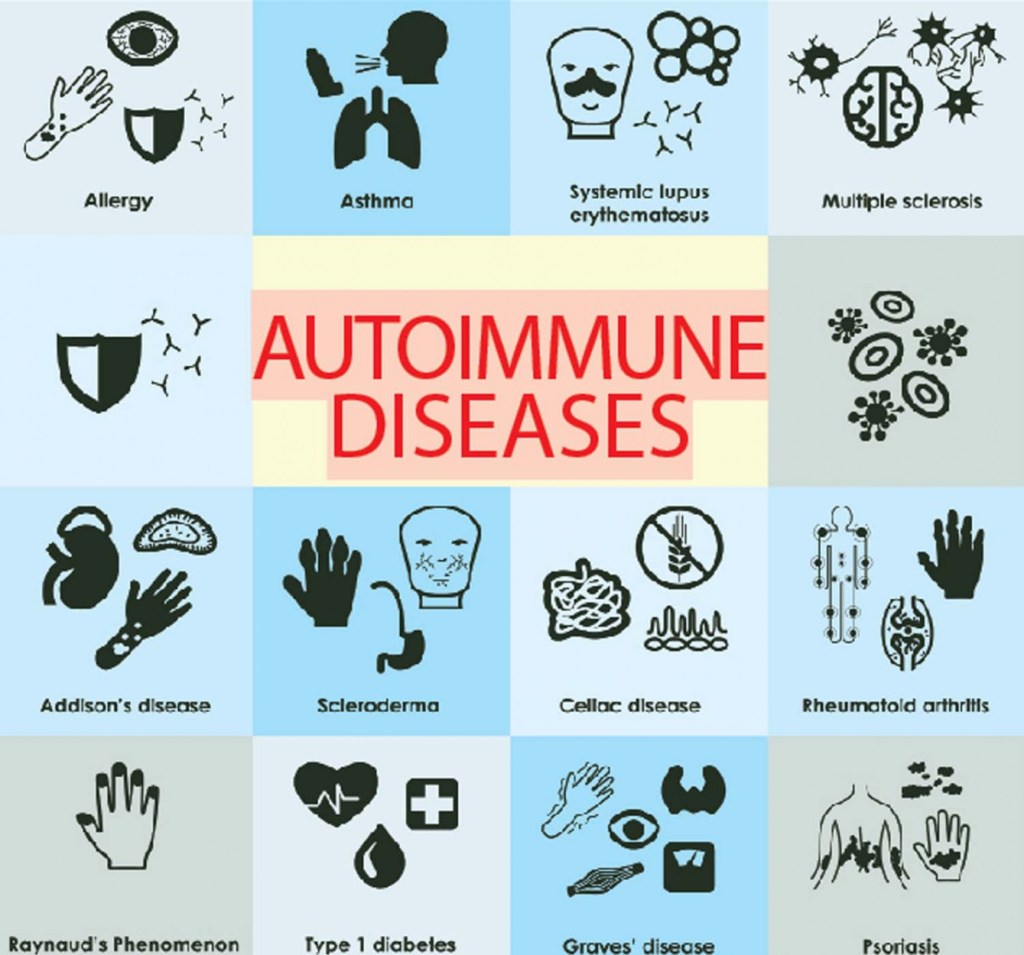
What Are Autoimmune Diseases?
According to Health Line, an autoimmune disease is a condition where an individual’s immune system mistakenly attacks its own body and cells. Under normal circumstances, the body’s immune system exists to protect itself from foreign invaders, particularly harmful ones such as viruses and bacteria. However, sometimes your immune system mistakes part of the body as foreign. It is then that it attacks its own body and cells, and it does so by releasing autoantibodies. Autoimmune diseases vary in that they can target one organ, such as in type 1 diabetes, or they can affect the whole body, like rheumatoid arthritis.
Rheumatoid Arthritis (Signs & Symptoms)
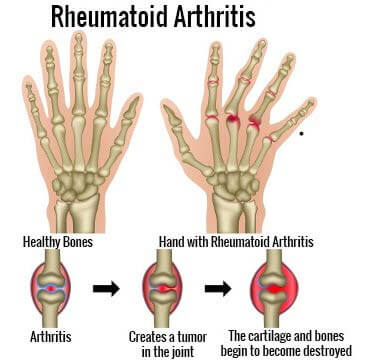
Going more in depth with rheumatoid arthritis, the Mayo Clinic describes it as a chronic inflammatory disorder that mainly affects the lining of your joints, which causes a painful swelling that can eventually result in bone erosion and joint deformity. In some people, the condition can even spread to, and damage, multiple other body systems such as the skin, eyes, lungs, heart, and blood vessels. Some general signs and symptoms of rheumatoid arthritis include tender, warm, and swollen joints; joint stiffness that is usually worse in the mornings and after inactivity; and fatigue, fever, and loss of appetite. Looking at it chronologically, early rheumatoid arthritis affects the smaller joints first (such as the joints that attach your fingers to your hands and your toes to your feet) before it spreads to the wrists, knees, ankles, elbows, and hips and shoulders. The symptoms vary in severity and tend to occur in the same joints on both sides of the body. Periods of increased disease activity are called flares, and they alternate with periods of relative remission when the swelling and pain fade or disappear. Overtime, joints will deform and shift out of place as the disease progresses.
Rheumatoid Arthritis (Treatment)

Unfortunately, due to how rheumatoid arthritis is a chronic autoimmune disease, there is no cure for it. However, the Mayo Clinic says that clinical studies have been done that indicate that remission of symptoms is more likely when treatment begins early with (DMARDs) disease-modifying antirheumatic drugs. Depending on the severity and timeline of an individual’s rheumatoid arthritis experience, different medications will be recommended by the doctor. For example, NSAIDs can relieve pain and reduce inflammation, steroids can reduce inflammation and pain and slow joint damage, the earlier mentioned DMARDs help slow down the progression of the disease and save the joints and other tissues from permanent damage, biological agents (also biological response modifiers). Other resources include physical therapy and surgery if medications fail. My own mother actually has rheumatoid arthritis, and I’ve seen firsthand what the disease is like. Ever since I was little, I’ve seen her take medicine every night to help with the pain, and now recently her shoulders have been extra painful, to the point that she can’t raise her arms above her shoulders. she’s had to go to physical therapy twice a month, and if the physical therapy doesn’t help, the doctors have suggested that she get surgery.


