How Vaccines and Pregnancy Overlap
People know what vaccines are, and people know what pregnancy is. However, not everyone realizes the intricate relationship between the two; in other words, most people are unaware of how vaccines play a crucial role throughout the whole process of pregnancy. When just looking at vaccines, we recognize that individuals get vaccines because they want to take preventative measures to protect themselves from serious diseases; this same idea can be applied to babies, even while they are still in the womb. When you are pregnant, you share everything with your baby, thus, the CDC emphasizes that when you get vaccines, on top of protecting yourself, you are also giving your baby some early protection as well. The process is also further specified by different timings for different vaccines.
Before, During, and After
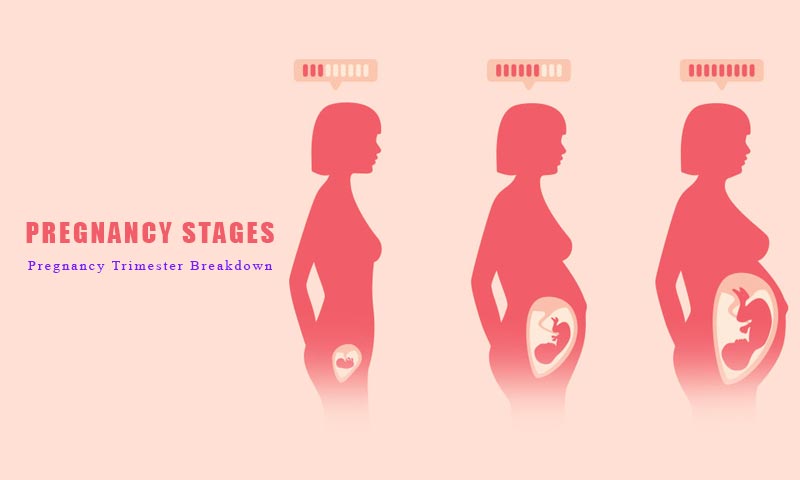
The kind of vaccines you take before, during, and after your pregnancy are specified by CDC guidelines. Before your pregnancy, you ideally want to make sure that you are up to date on all of your vaccines, but a particularly crucial vaccine is the MMR vaccine, which protects against rubella (amongst other diseases). Rubella is a contagious disease that is particularly dangerous if contracted during pregnancy, as it can lead to miscarriages and serious birth defects. If you were never vaccinated for MMR, but you wanted to get vaccinated before your pregnancy, then you would have to do so a month prior to becoming pregnant, and make sure that your immunity is confirmed before becoming pregnant. During the actual pregnancy, one crucial vaccine to get is for Pertussis, or whooping cough, and the time frame the CDC suggests is between 27 and 36 weeks of pregnancy. Whooping cough in babies is particularly dangerous, as many babies with this disease don’t cough at all, but instead it causes them to stop breathing and turn blue. By getting the whooping cough vaccine during pregnancy, your body will be able to create and pass some antibodies to your baby before birth, which will serve as some short-term, early protection against whooping cough. After your pregnancy, you may be recommended to receive some vaccines immediately after giving birth. This form of postpartum vaccination aims to protect the mother from getting sick during a vulnerable period, and also allow for any produced antibodies to be passed onto the baby through breast milk. After the baby grows up a bit, he or she will also start to get their own vaccines to protect against serious childhood diseases.
Are Pregnant Women Following CDC Guidelines Though?
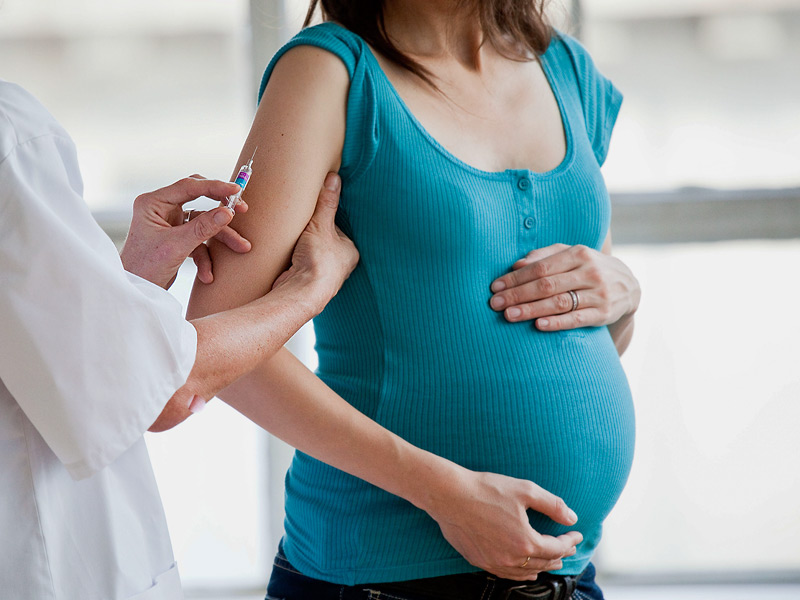
Unfortunately, despite persistent efforts by public health officials to encourage immunizations, there is a significant percentage of women that are not getting such critically important vaccines. As mentioned, the CDC encourages pregnant women to be vaccinated against pertussis, which is covered by the Tdap vaccine (also bundled with tetanus and diphtheria vaccines). Not specific to pregnant women, the CDC also recommends that all Americans over the age of 6 months receive a flu shot every year, although there is a special emphasis for pregnant women to get the vaccine, as they can become severely ill if they contract influenza. However, according to Stat News, a survey conducted over a two-week period found that only 55% of pregnant women had received a Tdap vaccination during their pregnancy and 54% had received a flu shot. These really are disappointing statistics. Pregnant women especially have a high risk of developing serious complications from the flu, and Pertussis can be deadly for infants; during the flu seasons from 2010 through 2018, pregnant women made up between a quarter and a third of all hospitalizations for flu among women of childbearing ages, and in the period from 2010 to 2017, children under the age of 2 months made up 69% of pertussis deaths in the United States. There definitely are women that simply can’t get access to such vaccines, but many also choose against the recommended immunization. This not only puts the pregnant mother at unnecessary risk, but also the child. Newborns are too young to be given vaccines that can protect them from dangerous childhood illnesses, so the only way they can have any sort of protection is if the mother can provide already made antibodies. When thinking of pregnancy and vaccines, you have to not only think about yourself, but also the safety of your unborn child. If people combined the two, and stayed knowledgeable about vaccines, then the answer is simple: get vaccinated.


