About Me

Me with my Superlatives After the Chorus Banquet

Academics and Goals

My name is Annie Zhang, and I am currently a sophomore at UNC Chapel hill. After a series of obstacles and self-discovery, I have decided to fully commit to a pre-nursing track, with a further goal of acquiring a DNP degree (Doctorate of Nursing Practice).

Hobbies and Interests

First IM Scrimmage of the Semester

One of the greatest experiences I’ve had in my life is performing with my competitive high school choir. It really let me learn the logistics of, get comfortable with, and explore the full extent of my growing passion for singing and song-writing. To this day, I still enjoy singing and song-writing whenever I have time, or whenever I need to something to provide me comfort and emotional release. My collective experience with music in general (including violin and piano) have been one of the biggest influences to building the identity that I have today. Another hobby of mine is basketball; even though I’m not the best at it, I have a lot of fun playing with friends and being active in a different way. This semester, I’ve actually joined an IM team with some of my friends that also share the same hobby.

Build-A-Vaccine

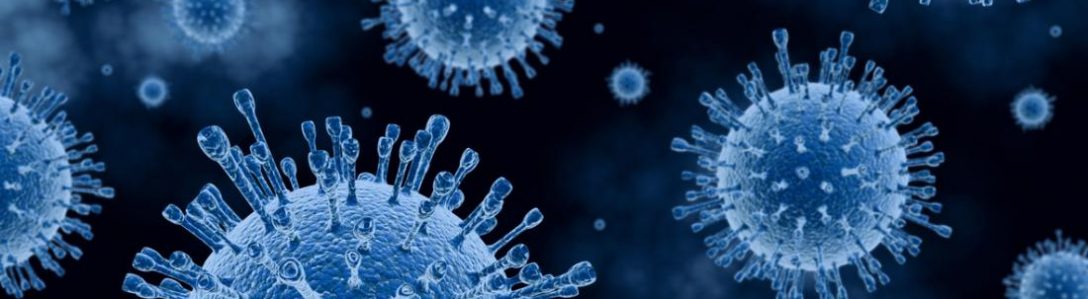
Photo by Vox

Vaccines are one of the greatest developments that scientists have discovered. The process to create one though is a long and careful procedure that requires the candidate vaccine to go through several stages before it can be licensed and utilized.

Early Steps in Vaccine Development Process

To start off, the first stage is called the exploratory stage. According to History of Vaccines, this stage mainly consists of basic laboratory research where scientists try to identify natural or synthetic antigens to build the vaccine off of. These antigens can be virus-like particles, weakened viruses and bacteria, weakened bacterial toxins, and etc. This stage lasts about 2-4 years before it moves on to the pre-clinical stage. In this stage, the candidate vaccine starts to be tested on tissue-culture, cell-culture, or animals such as mice or monkeys to assess the safety and immunogenicity of the vaccine. The results from these studies are meant to give an insight to what kind of cellular response we can expect in humans if they were to be administered the vaccine, and lead to better understanding of doses and methods of administering that better fit the vaccine. In this stage, challenge trials are also done, where an animal is infected with the target pathogen after being immunized. This stage lasts 1-2 years, but many vaccines never progress further past this stage due to their inability to produce the desired immune response. However, if the pre-clinical trials are successful, they move on to stage 3: Clinical Development.

Clinical Portion

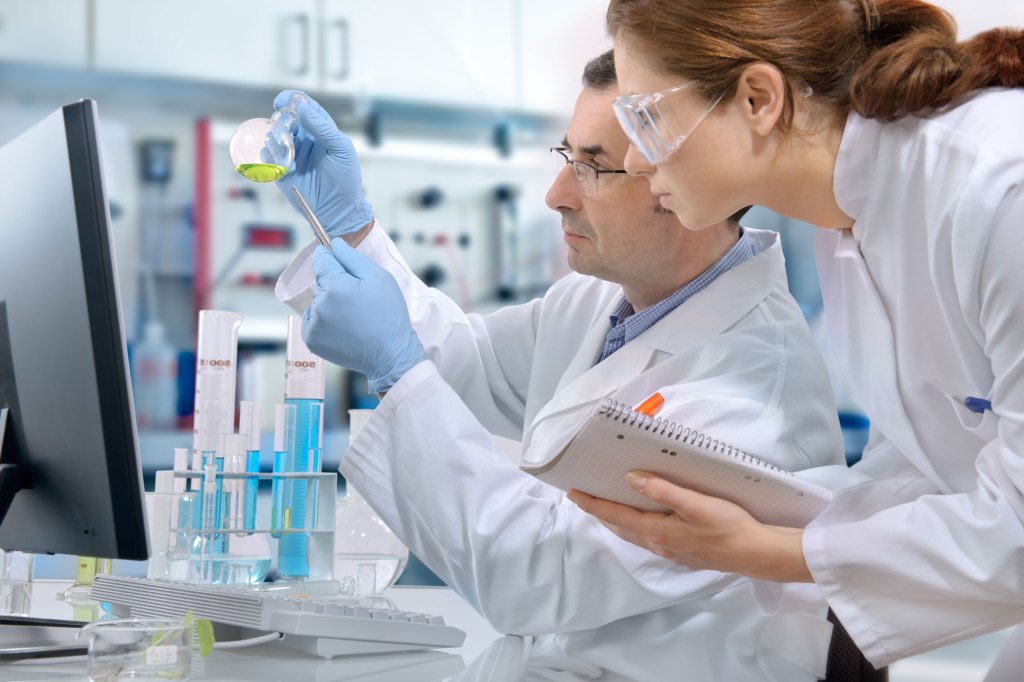
Photo by Gizmodo

The third stage is when the candidate vaccine finally gets introduced into humans. Due to the higher stakes, stage three is divided into its own three stages and the trials done are typically non blinded. According to History of Vaccines, the first stage of clinical development is the first attempt to test on humans, so the testing starts off with a small group of 20-80 adult subjects. Further testing is done repeatedly with younger and younger subjects if the target age of the vaccine is that of children. The main goal of this stage is to test the safety of the vaccine and to determine what kind of immune response it can elicit, and the extent of that immune response. In stage two, the subjects group grows to be several hundred human adults. The subjects may also be specified and belong to groups that are at risk of acquiring the disease. Now, the tests are a lot more randomized and well controlled, and a placebo group is introduced. The goal for stage two is again to test the safety and immunogenicity of the vaccine, but also to determine proposed doses, perhaps a schedule of immunization, and the best method of administration. Finally, if the candidate vaccine makes it through to stage three, the subject size increases to thousands or tens of thousands of people, and now the vaccine is safe enough to run double-blinded tests that are randomized and include a placebo. Bringing the testing to this kind of subject size allows scientists to potentially discover rare side effects, such as ones where you hear they “only occur in 1 of every 10,000 people”. The main goal of this stage is to test if the vaccine can produce the fully intended result, such as preventing disease, preventing infection with the pathogen, and producing antibodies or other types of immune responses related to the pathogen. 

HIV Vaccine in the Process

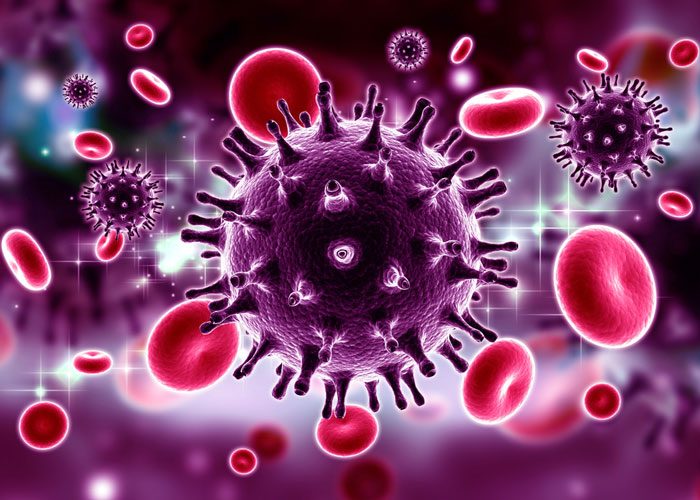
A current candidate vaccine that is going through the different phases/stages is one of the many that are targeting HIV. According to nature, the new vaccine, also known as the Mosaic Vaccine, follows the concept of taking genetic material from many HIV strains around the world and combining them all into one vaccine; the vaccine is developed upon a “mosaic” of these different genetic strains. Small and early trials have shown that the vaccine does prompt an immune response, such as the production of antibodies against HIV. Now, the vaccine is about to enter its phase three (Mosaico) trials that will determine its effectiveness in transgender individuals and men who have sex with men across the America’s and Europe. The subject group for phase three is so specific due to how these communities are disproportionately affected by HIV. The vaccine also contains two synthetic proteins that are based on proteins produced by HIV strains common in Africa, the Americas, and Europe, and this gives the vaccine a “protein boost” that makes it a global vaccine.

Dangerous Internal Conflict

What Are Autoimmune Diseases?

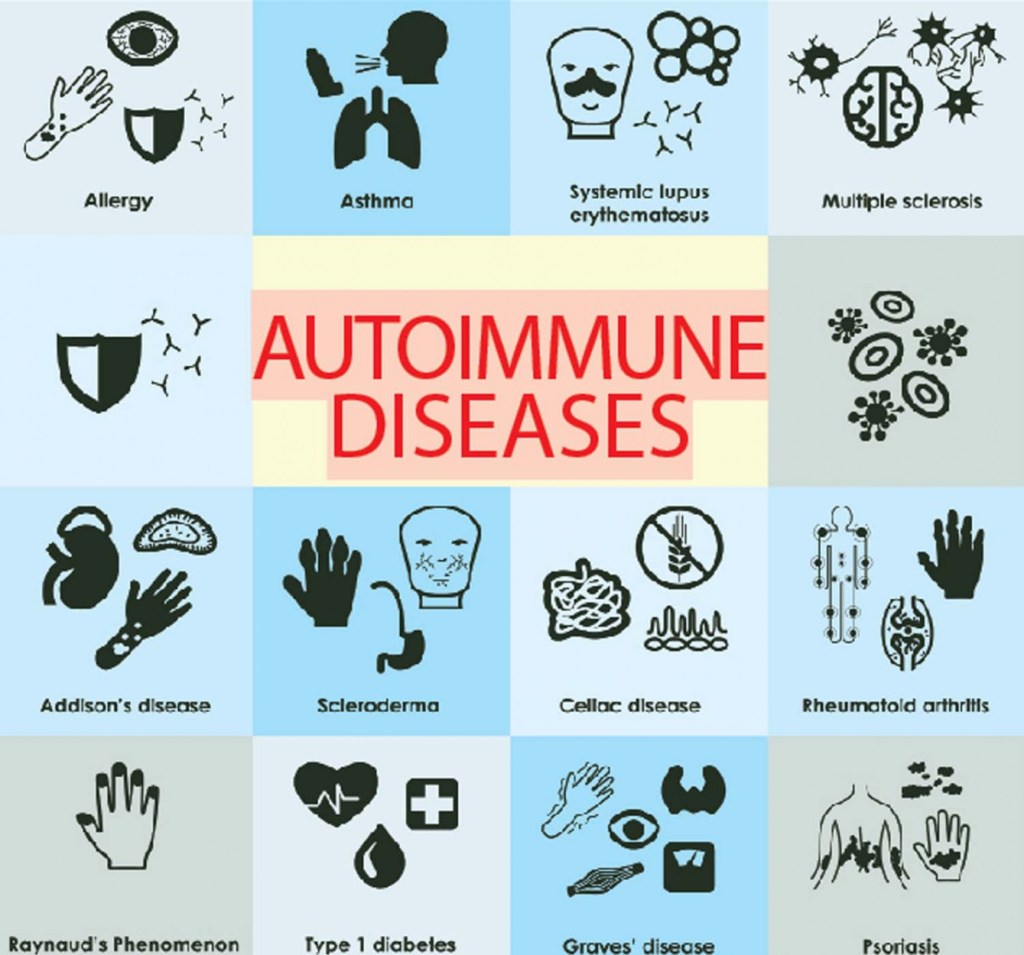
According to Health Line, an autoimmune disease is a condition where an individual’s immune system mistakenly attacks its own body and cells. Under normal circumstances, the body’s immune system exists to protect itself from foreign invaders, particularly harmful ones such as viruses and bacteria. However, sometimes your immune system mistakes part of the body as foreign. It is then that it attacks its own body and cells, and it does so by releasing autoantibodies. Autoimmune diseases vary in that they can target one organ, such as in type 1 diabetes, or they can affect the whole body, like rheumatoid arthritis.  

Rheumatoid Arthritis (Signs & Symptoms)

Photo by Pain Free NYC

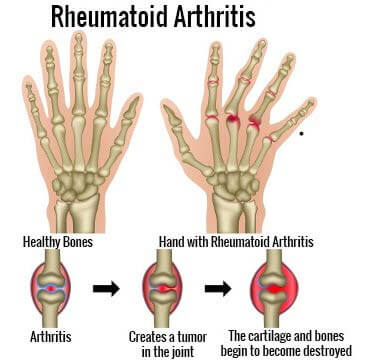
Going more in depth with rheumatoid arthritis, the Mayo Clinic describes it as a chronic inflammatory disorder that mainly affects the lining of your joints, which causes a painful swelling that can eventually result in bone erosion and joint deformity. In some people, the condition can even spread to, and damage, multiple other body systems such as the skin, eyes, lungs, heart, and blood vessels.  Some general signs and symptoms of rheumatoid arthritis include tender, warm, and swollen joints; joint stiffness that is usually worse in the mornings and after inactivity; and fatigue, fever, and loss of appetite. Looking at it chronologically, early rheumatoid arthritis affects the smaller joints first (such as the joints that attach your fingers to your hands and your toes to your feet) before it spreads to the wrists, knees, ankles, elbows, and hips and shoulders. The symptoms vary in severity and tend to occur in the same joints on both sides of the body. Periods of increased disease activity are called flares, and they alternate with periods of relative remission when the swelling and pain fade or disappear. Overtime, joints will deform and shift out of place as the disease progresses. 

Rheumatoid Arthritis (Treatment)

Photo by Healthline

Unfortunately, due to how rheumatoid arthritis is a chronic autoimmune disease, there is no cure for it. However, the Mayo Clinic says that clinical studies have been done that indicate that remission of symptoms is more likely when treatment begins early with (DMARDs) disease-modifying antirheumatic drugs. Depending on the severity and timeline of an individual’s rheumatoid arthritis experience, different medications will be recommended by the doctor. For example, NSAIDs can relieve pain and reduce inflammation, steroids can reduce inflammation and pain and slow joint damage, the earlier mentioned DMARDs help slow down the progression of the disease and save the joints and other tissues from permanent damage, biological agents (also biological response modifiers). Other resources include physical therapy and surgery if medications fail. My own mother actually has rheumatoid arthritis, and I’ve seen firsthand what the disease is like. Ever since I was little, I’ve seen her take medicine every night to help with the pain, and now recently her shoulders have been extra painful, to the point that she can’t raise her arms above her shoulders. she’s had to go to physical therapy twice a month, and if the physical therapy doesn’t help, the doctors have suggested that she get surgery.  

(Microscopic) Bugs and Babies

How Vaccines and Pregnancy Overlap

People know what vaccines are, and people know what pregnancy is. However, not everyone realizes the intricate relationship between the two; in other words, most people are unaware of how vaccines play a crucial role throughout the whole process of pregnancy. When just looking at vaccines, we recognize that individuals get vaccines because they want to take preventative measures to protect themselves from serious diseases; this same idea can be applied to babies, even while they are still in the womb. When you are pregnant, you share everything with your baby, thus, the CDC emphasizes that when you get vaccines, on top of protecting yourself, you are also giving your baby some early protection as well. The process is also further specified by different timings for different vaccines.

Before, During, and After

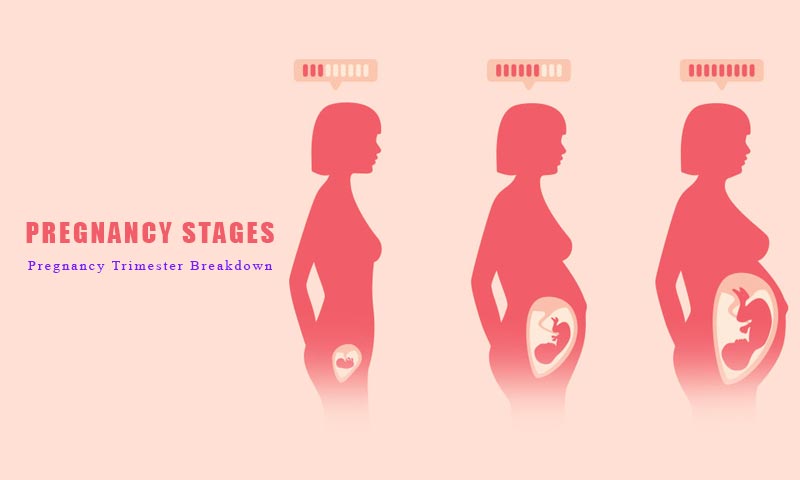
Photo by Easy Work Net

The kind of vaccines you take before, during, and after your pregnancy are specified by CDC guidelines. Before your pregnancy, you ideally want to make sure that you are up to date on all of your vaccines, but a particularly crucial vaccine is the MMR vaccine, which protects against rubella (amongst other diseases). Rubella is a contagious disease that is particularly dangerous if contracted during pregnancy, as it can lead to miscarriages and serious birth defects. If you were never vaccinated for MMR, but you wanted to get vaccinated before your pregnancy, then you would have to do so a month prior to becoming pregnant, and make sure that your immunity is confirmed before becoming pregnant. During the actual pregnancy, one crucial vaccine to get is for Pertussis, or whooping cough, and the time frame the CDC suggests is between 27 and 36 weeks of pregnancy. Whooping cough in babies is particularly dangerous, as many babies with this disease don’t cough at all, but instead it causes them to stop breathing and turn blue. By getting the whooping cough vaccine during pregnancy, your body will be able to create and pass some antibodies to your baby before birth, which will serve as some short-term, early protection against whooping cough. After your pregnancy, you may be recommended to receive some vaccines immediately after giving birth. This form of postpartum vaccination aims to protect the mother from getting sick during a vulnerable period, and also allow for any produced antibodies to be passed onto the baby through breast milk. After the baby grows up a bit, he or she will also start to get their own vaccines to protect against serious childhood diseases. 

Are Pregnant Women Following CDC Guidelines Though? 

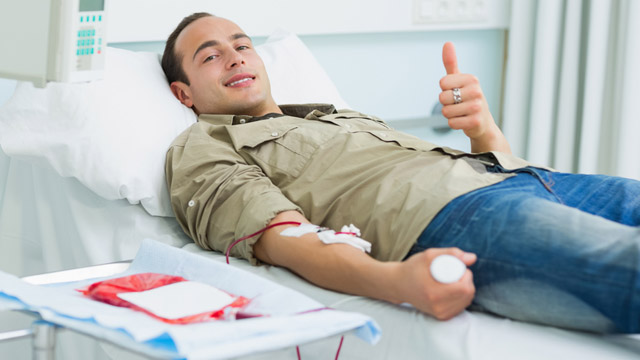
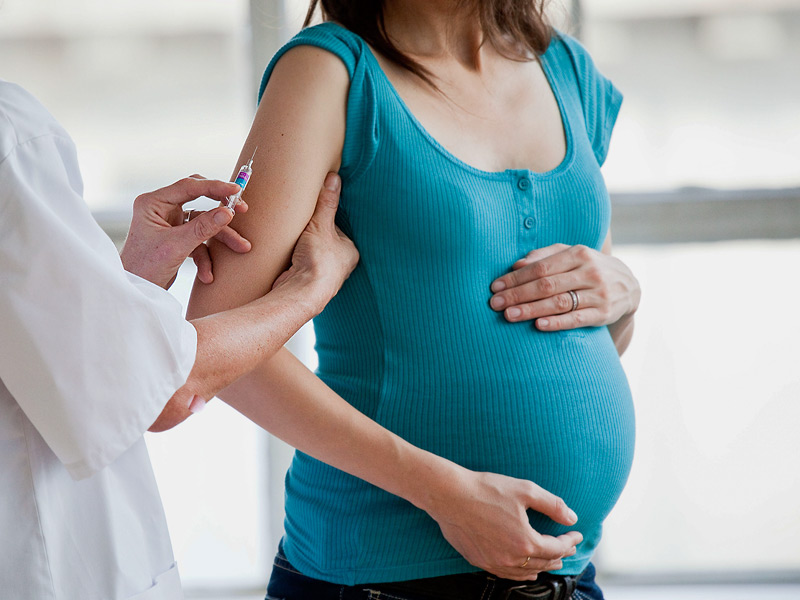
Photo by Doctor Beau

Unfortunately, despite persistent efforts by public health officials to encourage immunizations, there is a significant percentage of women that are not getting such critically important vaccines. As mentioned, the CDC encourages pregnant women to be vaccinated against pertussis, which is covered by the Tdap vaccine (also bundled with tetanus and diphtheria vaccines). Not specific to pregnant women, the CDC also recommends that all Americans over the age of 6 months receive a flu shot every year, although there is a special emphasis for pregnant women to get the vaccine, as they can become severely ill if they contract influenza. However, according to Stat News, a survey conducted over a two-week period found that only 55% of pregnant women had received a Tdap vaccination during their pregnancy and 54% had received a flu shot. These really are disappointing statistics. Pregnant women especially have a high risk of developing serious complications from the flu, and Pertussis can be deadly for infants; during the flu seasons from 2010 through 2018, pregnant women made up between a quarter and a third of all hospitalizations for flu among women of childbearing ages, and in the period from 2010 to 2017, children under the age of 2 months made up 69% of pertussis deaths in the United States. There definitely are women that simply can’t get access to such vaccines, but many also choose against the recommended immunization. This not only puts the pregnant mother at unnecessary risk, but also the child. Newborns are too young to be given vaccines that can protect them from dangerous childhood illnesses, so the only way they can have any sort of protection is if the mother can provide already made antibodies. When thinking of pregnancy and vaccines, you have to not only think about yourself, but also the safety of your unborn child. If people combined the two, and stayed knowledgeable about vaccines, then the answer is simple: get vaccinated.

NDM-1 is Not Fun

Superbug Review

As mentioned in a previous blog, superbugs are dangerous. “Superbugs” is a term used to describe strains of bacteria that are resistant to a majority of antibiotics we use today.  This leads to either the use of toxic, last resort antibiotics, or an infection that cannot be contained. On top of this, the bacteria that are considered superbugs stem from common pathogens that humans encounter frequently, as that is how they have many opportunities to face and grow-resistant to the antibiotics that we have available. This also means that when these common bacteria mutate and grow resistant, they are still common, so the danger is also amplified by the frequent exposure. 

What is the NDM-1 plasmid?

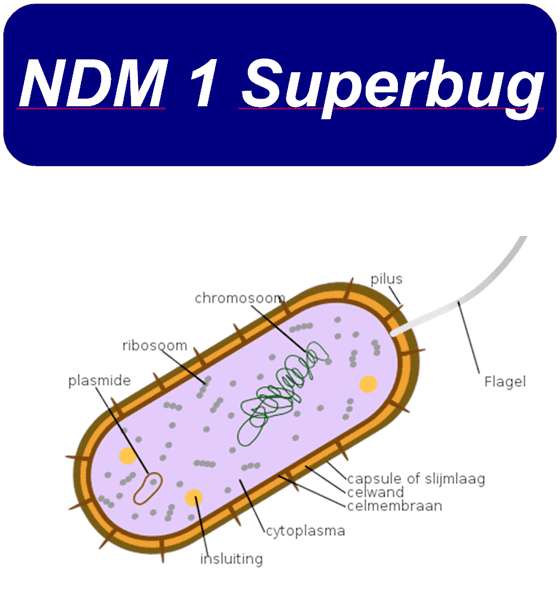
Photo by Research Gate

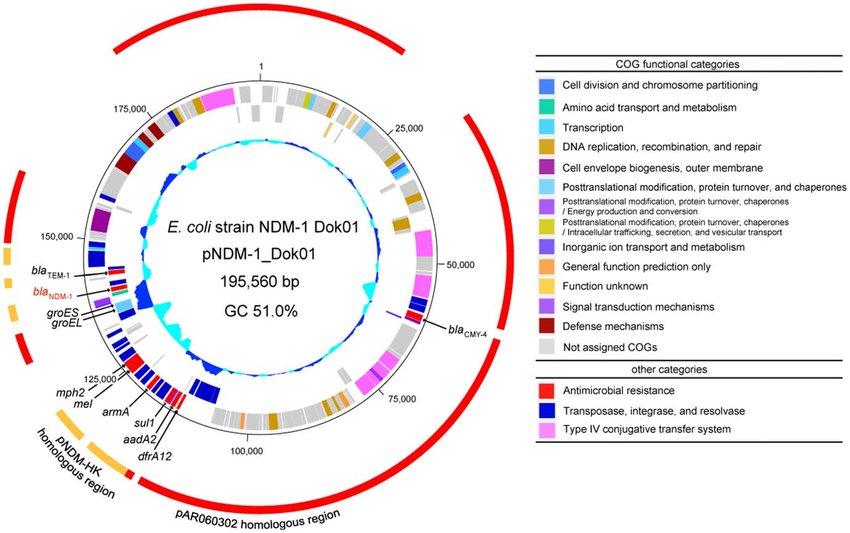
What exactly allows for the development of a superbug? Well, at the very basis: natural selection. One bacteria that has the resistant strain survives and reproduces, further passing on the resistant gene until the entire population evolves. To look even closer at the reproduction process, one way the resistant gene is passed is by conjugative plasmids. According to Frontiers, “conjugative plasmids are circular DNA molecules that contain an origin of replication, a locus for partitioning, genes encoding plasmid maintenance and transfer functions, and accessory genes that often include one or more resistance determinants”. One specific example is the plasmid that contains the genetic code for NDM-1. According to NCBI, NDM-1, or New Delhi metallo-β-lactamase 1, is a gene that allows the bacterium to produce an enzyme called carbapenemase. This enzyme renders antibiotics from the carbapenem family ineffective, and those antibiotics are typically extremely powerful drugs that are used when other antibiotics are ineffective. NDM-1 is already dangerous as it is, being resistant to even our backup antibiotics, but we have to be especially worried due to how a bacterium with NDM-1 has the potential to expand its resistance to other current antibiotics as well as antibiotics in the future.

Other Ways Bacteria Fight Back

Photo by Deposit Photo

Producing an enzyme is not the only way a bacterial species becomes resistant. In other cases, The Scientist emphasizes that bacteria also use other mechanisms, such as target protection, target substitution, antibiotic detoxification, and block of intracellular antibiotic accumulation.  The CDC also mentions its own list. Other ways bacteria resist antibiotics is by restricting access of the antibiotic, getting rid of the antibiotic, destroying the antibiotic, changing the antibiotic, bypassing the effects of the antibiotic, and changing the targets for antibiotics. Looking at the situation, it makes the race against antibiotic resistant bacteria seem even more worrying. The plethora of ways bacteria can find to become resistant to antibiotics explains how fast they are able to build such a resistance, and how effectively they are able to build such a resistance. 

Sometimes, the Microbiome Says No (to Antibiotics)

Photo by Mdlinx

What are antibiotics?

To understand how antibiotics affect our microbiome, and more importantly the significance of knowing such effects, we first must understand how antibiotics work. Antibiotics are commonly, naturally synthesized by bacteria as a survival method. According to Microbiology Society, the antibiotics they produce are typically meant to kill off competition (other microbes) that use the same limited resources or space. Although in most cases today, antibiotics are also synthesized in laboratories. The antibiotics work by combating bacterial infections, and they do so by either directly killing the bacteria, which is called a bactericidal antibiotic, or by preventing its growth and reproduction, which is called a bacteriostatic antibiotic. For bactericidal antibiotics, these drugs typically work by interfering with either the formation of the bacterial cell wall or its cell contents.

Benefits of antibiotics? 

Photo by Clip Art Max

When the body interacts with foreign invaders, the immune system can typically kill the pathogens that it comes across. Our white blood cells (macrophages, lymphocytes, etc.) work to protect against infection using innate and adaptive immunity, and most times even if symptoms do occur, the immune system can handle and fight off the infection. However, when the number of harmful bacteria is excessive, the immune system may not be able to fight it all off. In such a case, we rely on antibiotics to help cover what our immune system isn’t able to. According to Tactonic, there are two different kinds of antibiotics that we have formed: broad-spectrum and narrow-spectrum. Broad-spectrum antibiotics is what we use when there is a lack of time or resources and treatment needs to be administered immediately. It is effective in that it can target both gram-positive and gram-negative bacteria, which is why it is used when the invading bacteria is unknown. Narrow-spectrum antibiotics on the other hand are used when the bacteria IS known, although it requires clinicians to diagnose the bacteria rapidly and accurately before an infection becomes too severe. 

Why do we need to be careful?

Photo by Get Well Be

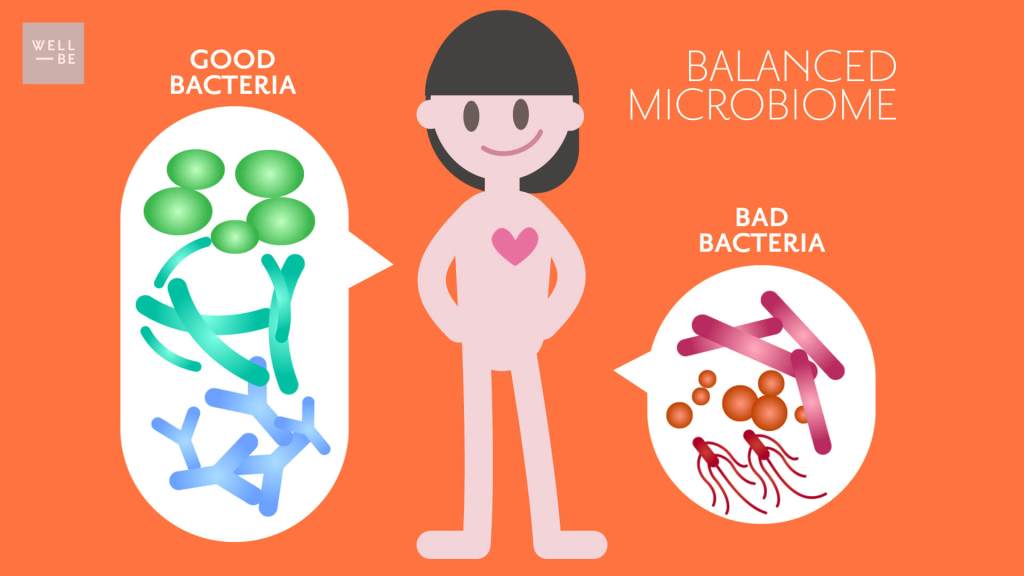
The fact that we have two different kinds of antibiotics is significant. Although it may seem like using the broad-spectrum antibiotics is enough, and rather the narrow-spectrum antibiotics seem meaningless, it is not. Specifically in relation to our microbiome, the consistent use of broad-spectrum antibiotics is dangerous. Our natural microbiome is made of harmless and oftentimes beneficial bacteria, but using nonspecific, broad-spectrum antibiotics means that those bacteria are attacked as well. If anything, we need to invest more into developing narrow-spectrum antibiotics that only kill what we need to rid our bodies of. A good example of what can go wrong with our microbiome if we use too many antibiotics is observing Clostridium difficile. According to Taconic, a common antibiotic called clindamycin that is used to treat recurrent strep infections, diabetic foot infections, and Chlamydia, causes detrimental effects on the gut microbiome can lead to the overgrowth of C. difficile. Under normal circumstances, small amounts of C. difficile live within us humans without harm, but when antibiotic treatment (such as with clindamycin) wipes out beneficial gut bacteria that keeps C. difficile in check, it can overgrow and lead to excessive diarrhea and inflammation of the inner lining of the colon, or colitis. 

Taconic emphasizes that short term effects of hurting our own microbiome include decreased colonization by good bacteria, alterations in the composition of normal gut flora, disturbances in metabolism and absorption of nutrients, increased susceptibility to infections, etc. On the other hand, long term effects include persistence of antibiotic resistance genes in the gut microbiome, recurrent infections from normally present bacteria (C. difficile), and loss of microbial diversity and representation of specific taxa. The short term effects are already detrimental to our health, but when we keep in mind of the potential long term effects, we reach borderline dangerous, potentially deadly consequences. Thus, even though we definitely still need antibiotics for the benefits that they have, and continue to give us, we also need to be careful in how we utilize them, and we need to invest in alternative ways to use them. 

Humans 1: Bacteria: 2

Photo by ABC news

The Ongoing Battle

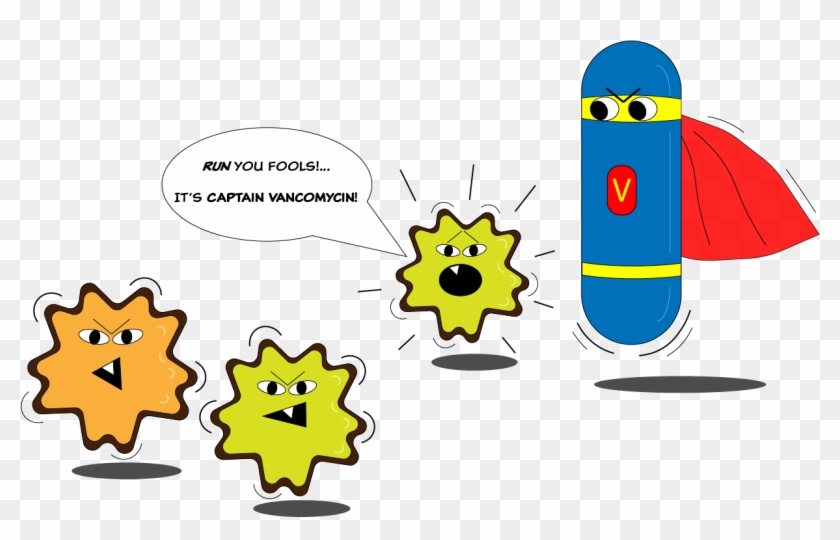
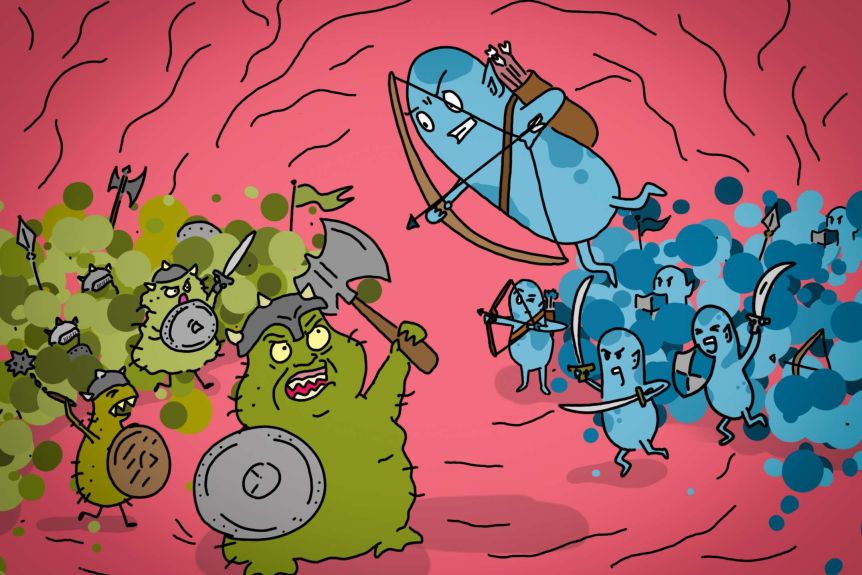
The war against infectious microbes, enemies that we can’t even see, has been going on since the beginning of time. Initially it was a losing battle at first, as there were devastating casualties throughout many generations, but humankind developed better “strategies” and “weapons (antibiotics)” to combat the attack over time; things were finally looking in our favor. However, it also seems that the tables can be turned easily. Just when we felt like our series of triumphs were leading to an ultimate and complete victory, these microbes changed their “strategies” and upgraded their “weapons” as well. If antibiotics could be considered our sword, then their developed antibiotic resistance can be considered the shield that was crafted to counter our sword. 

The word “antibiotic” is exactly as it sounds, it is “opposing life”, which is fitting as its job is to attack/kill bacteria. Furthermore, the World Health Organization focuses on its purpose, and thus defines antibiotics as “medicines used to prevent and treat bacterial infections”. However, when the targeted bacteria change in response to the use of these medicines, that’s when antibiotic resistance occurs. The thing is, antibiotic resistance occurs naturally (as all living things evolve over time), but the issue comes in when overuse and misuse of antibiotics dangerously accelerate the process (faster than we can keep up with scientifically/medically).    

Misuse vs Overuse

Photo by Dreamstime

Speaking of overuse and misuse, it appears that some are not aware that there even is a distinction. The overuse of antibiotics is what most are familiar with, as it is in line with the concept of evolution and natural selection that most of us are taught in school, even for those who are not in the science/medical field (to ensure a basic scientific understanding of the world in the general public). In context, natural selection is expressed when the bacteria that may have a certain mutated gene or a special combination of qualities tend to survive against antibiotics and reproduce. Then, evolution is expressed when overtime, the mutated/special gene trait is inherited by the majority of the bacteria population, and as a whole, the entire species evolves to have that kind of resistance against bacteria. This is what happens naturally, but when we continuously, frequently, and thus excessively expose bacteria to our antibiotics, rxlist emphasizes that the process of the sensitive bacteria dying and encouraging stronger germs to reproduce and multiply is accelerated, which makes sense as we are giving the bacteria more opportunities to move along their evolution process. 

The other factor that leads to antibiotic resistance is the misuse of antibiotics. According to Forbes, misuse encompasses many situations, including when an individual deters from the care plan that was given to them, like stopping medication before the intended length; in this case, if the full dosage is not finished, it could mean that some bacteria were not killed off, and an infection could reestablish. In that case, it would require another full prescription of antibiotics, which increases the exposure of bacteria to our available antibiotics, and lead to potential evolution of the species. Another situation is when an individual takes antibiotics without prescription (aka antibiotics not meant for them). Forbes mentions a study that carried out a meta-analysis (examining 31 peer reviewed publications) to assess “antibiotic use in the U.S. and its underlying factors”; in that study, it was determined that “25% of people had or intended to use antibiotics without a prescription” and “nearly 50% of people had stored antibiotics for future use”, many times for their family members. However the danger in that is how the dosing per antibiotic prescription is very specific, and thus such practice increases the potential for overdose and underdose. With overdose, there are risks of toxicity or other adverse events; with underdose, there is the risk of ineffective treatment, which would have a similar consequence to not following through with an individual care plan.          

Prevention > Treatment 

Photo by Vector Stock, Content by Annie Zhang

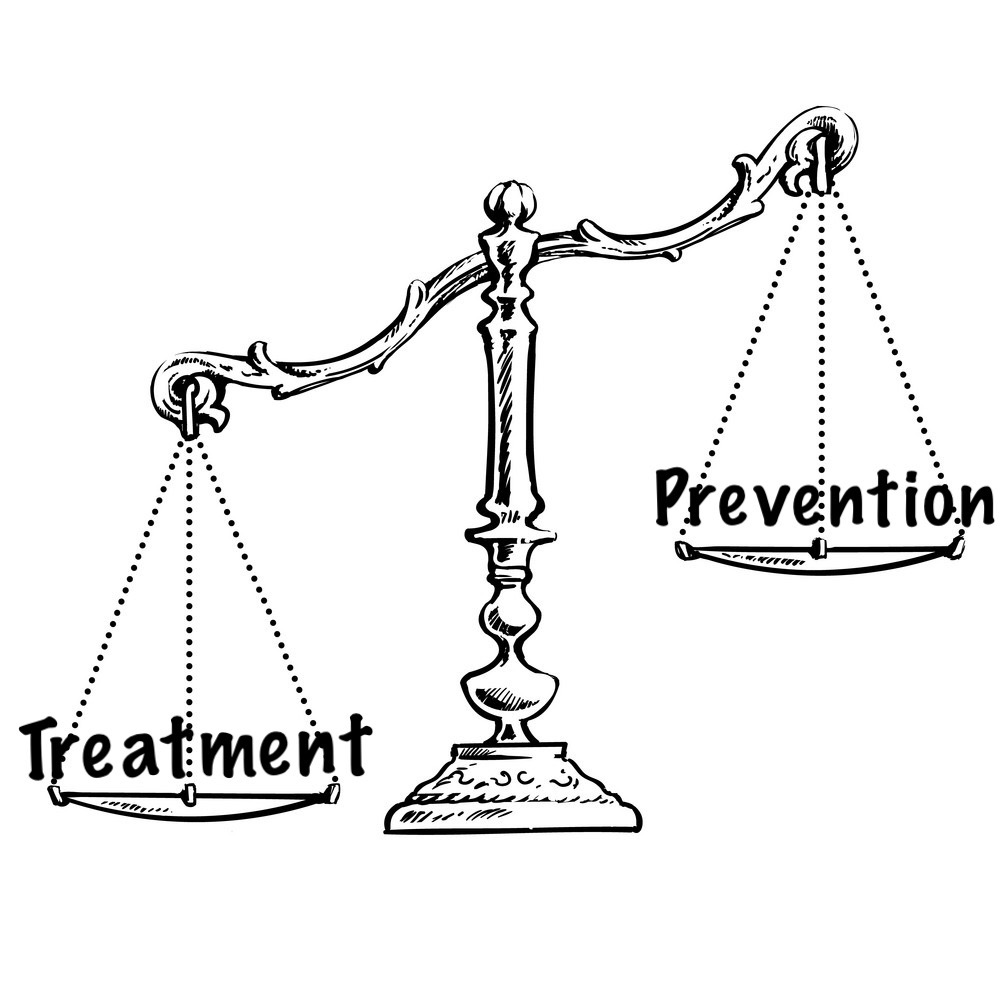
As I did my research for this topic, I couldn’t help but remember a phrase that a sixth grade health teacher taught us: “prevention is always better than treatment”. It sounds very much like common sense, but its not something we’re constantly aware of or conscious about. In the case of antibiotics, it adds another reason why we want to avoid reaching the point of needing treatment. Taking precautions to not get sick, such as getting vaccines, practicing good hygiene and sanitation, etc. will minimize the need for medications such as antibiotics (which will in turn minimize opportunities for bacteria to learn and develop a “counterattack”). This will in turn also avoid the negative impacts brought on by antibiotic resistance, in which the World Health Organization lists as more expensive/dangerous medicines (when first-line antibiotics are no longer effective for infections), a longer duration of illness and treatment (due to unresolved infections), and higher risk for common but invasive treatments such as organ transplantation, chemotherapy, and surgeries such as cesarean sections. Treatment is painful, costly, and can be permanently damaging in many ways, so choose prevention over treatment instead. Prevention methods may seem tedious, not necessary, or a waste of time, but it can help avoid “inconvenient things” and even save your life. 

Make it a Mutualistic Microbiome

From a young age, we were all taught that same line: “Treat others the way you want to be treated”. You attract and receive the same energy that you put out into the world, and so it is not only in your power, but it is also your responsibility to make an effort to create positive bonds with others. It’s obvious that if you treat someone with care and respect, they will want to do the same for you. So, why don’t we apply that to the ones that are closer to us than anyone could possibly be? The microscopic organisms living within us that make up our microbiome deserve and expect the same kind of principle. 

How to Treat Your Microbiome Well

Our Microbiota sure play their role in this mutualistic symbiotic relationship. As mentioned before, according to “Defining the Human Microbiome”, there are several microbiota within our intestinal tract that aid in multiple ways, including assisting in digestion and producing beneficial substances, such as vitamin K, for the body. Thus, VeryWellFit emphasizes that a “healthy gut is critical to overall health”, and one way for us to play our part in this mutualistic relationship is by eating foods that nurture our gut bacteria. The Microbiome Diet, developed by Dr. Raphael Kellman of the Kellman Center for Integrative and Functional Medicine, targets this idea by using a whole-food three-phase program that focuses on “microbiome-friendly foods” such as fruits, vegetables, lean protein, and a large amount of prebiotic and probiotic foods. It first starts out with an elimination diet to restore gut health, as those who have been eating non-microbiome-friendly foods for a long time are seen to have imbalanced microbiomes, which actually causes people to crave sugar and unhealthy fatty foods. This phase is called The Four R’s, which are remove (all foods, chemicals, and toxins that may contribute to an unbalanced microbiome), repair (by eating large portions of plant foods and supplements to heal the gut), replace (stomach acid and digestive enzymes with higher-quality substances such as herbs and supplements), and reinoculate (the gut with beneficial bacteria by eating foods with high probiotic and prebiotic content). Phase two of the program is called the The Metabolic Boost, and it is a 28-day phase that builds off the assumption that the first 21st days of phase one helped your gut grow stronger, so dairy, free-range eggs, legumes, and gluten-free gains can be added back to your daily diet now. Starchy fruits and vegetables are also okay. There are still dietary restrictions, but it is only for 90% of the time. Finally, you go into phase three, which is called The Lifetime Tune-Up. At this stage, it is expected that your gut is fully healed, and thus more foods can be added back into your diet. However, it is encouraged that dieters maintain this way of eating for life in order to promote long term gut health.  

How to Make Your Microbiome Call it Quits

Photo by Shutterstock

The Microbiome Diet is a good example of how we can fulfill our role as encouraging a mutualistic relationship with our gut bacteria. However, on top of being proactive, we also have to take a step back and reflect on things that we aren’t as aware of, that might be hurting the relationship. In this case, antibiotics are an example of how the close connection we have with our microbiome can also harm it. Antibiotics are exactly as they sound, they “oppose life”, and were made to attack bad bacteria that invade our immune systems. However, antibiotics have been known to not only act on bacteria that cause infections, but also the resident, good microbiota. A common example actually, is how taking antibiotics for a UTI often leads to a yeast infection right after (literally the worst combination). Although the antibiotics kill off the bacteria causing the UTI, it also kills a lot of the good bacteria that maintain the pH balance within the vagina. As a result, this leads to yeast overgrowth. Although the UTI/yeast infection combo situation does not sound pleasant, it is at least a typically manageable discomfort (different medication is given to cure the yeast infection). In some cases though, it may not be as simple. In fact, according to Nature Research, studies have observed that the gut microbiome can be “permanently perturbed even by short-term or low-dose antibiotic treatment”, a change that could even lead to long-term effects on health, such as the development of inflammatory bowel disease. There have also been observations that “children that are exposed to antibiotics in their first year of life have a slightly increased risk of developing asthma”, and that risk increases if the number of antibiotic courses is higher.

Reflection    

Photo by imgflip

For such small beings, our microbiota really have a huge impact on our overall health. Personally, I’ve never been the type to shy away from modern medicine, and have always been reliant and trustworthy towards anything my doctor suggested. However, I did eventually grow to be wary of antibiotics. Not in the sense of “they’re actually harmful”, but rather after being educated on the topic, I’ve been careful not to promote antibiotic resistance. Now on top of that, I can add “protecting my microbiome” as a reason to take it easy on reaching for medicine so frequently. The other way to protect our microbiomes that was addressed in this blog does not seem like something I could personally complete 100%. I’ve always had the mentality of eating whatever I wanted (why waste your life taking away amazing food experiences) but just working out even harder to compensate. However realistically speaking, to reach the healthiest potential the fastest, diet is crucial. Also realistically speaking, it’s easier said than done to “work out 10x harder”, consistently too, when our lives are getting busier and busier each year. It’s only recently that I’ve been reconsidering the idea of completely not watching my diet. I’m still sure that I would never be able to commit 100% to the limitations to any diet (including the microbiome diet), making an effort to add or increase the healthier options isn’t as bad as having to completely change the way I was eating before. Maybe I’m destined to have just as many unhealthy microbiota as I do healthy ones, and we’ll just have to see which side wins in the end.